
-
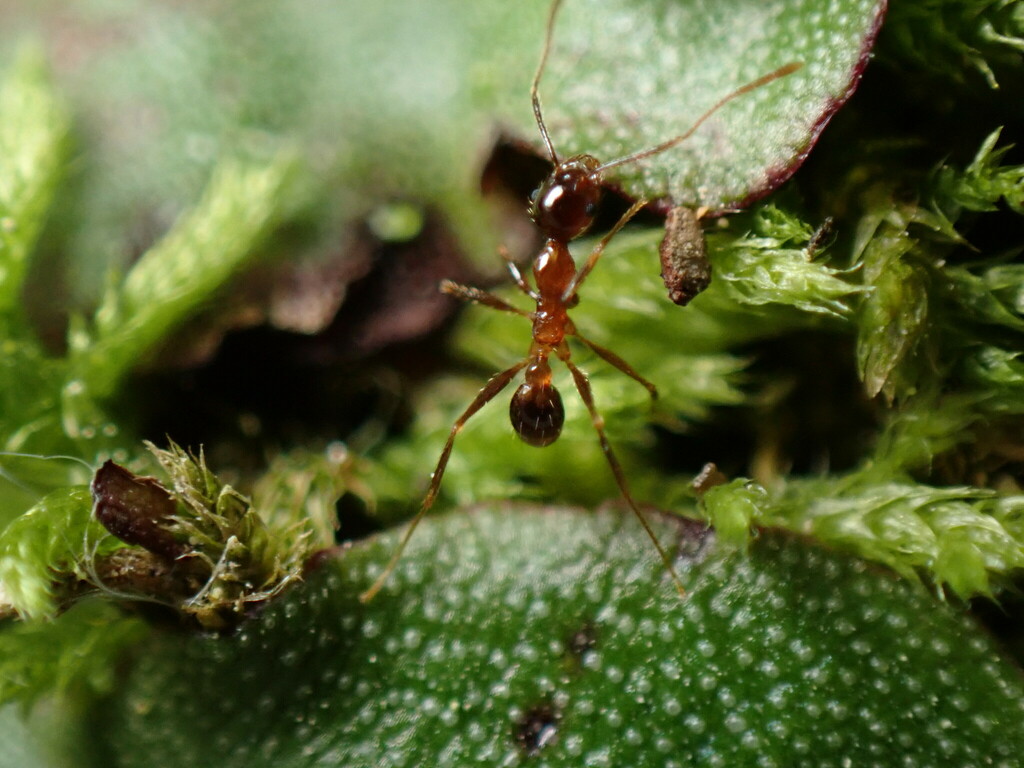
New Lit Alert: Variation in Pheidole nodus (Hymenoptera: Formicidae) functional morphology across urban parks
Variation in Pheidole nodus (Hymenoptera: Formicidae) functional morphology across urban parks Y Luo, QM Wei, C Newman, XQ Huang, XY Luo, ZM Zhou Abstract Background Habitat fragmentation and consequent population isolation in urban areas can impose significant selection pressures on…
-
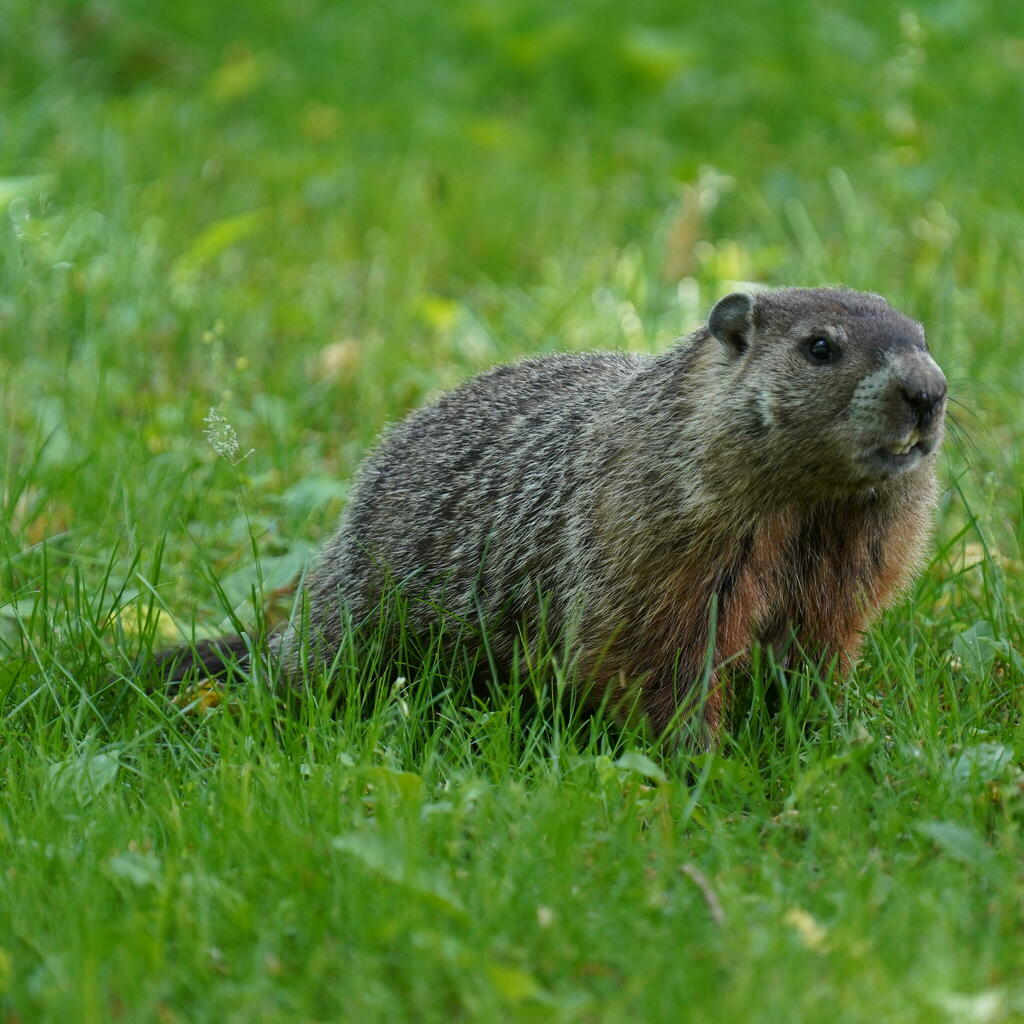
Urban Observation: Groundhogs in Central Park
Have you ever seen a groundhog in Central Park? Or any other urban park? According to @BirdCentralPark, these adorable rodents are not a common sight in Central Park, but there have been known individuals in the northern parts of the…
-
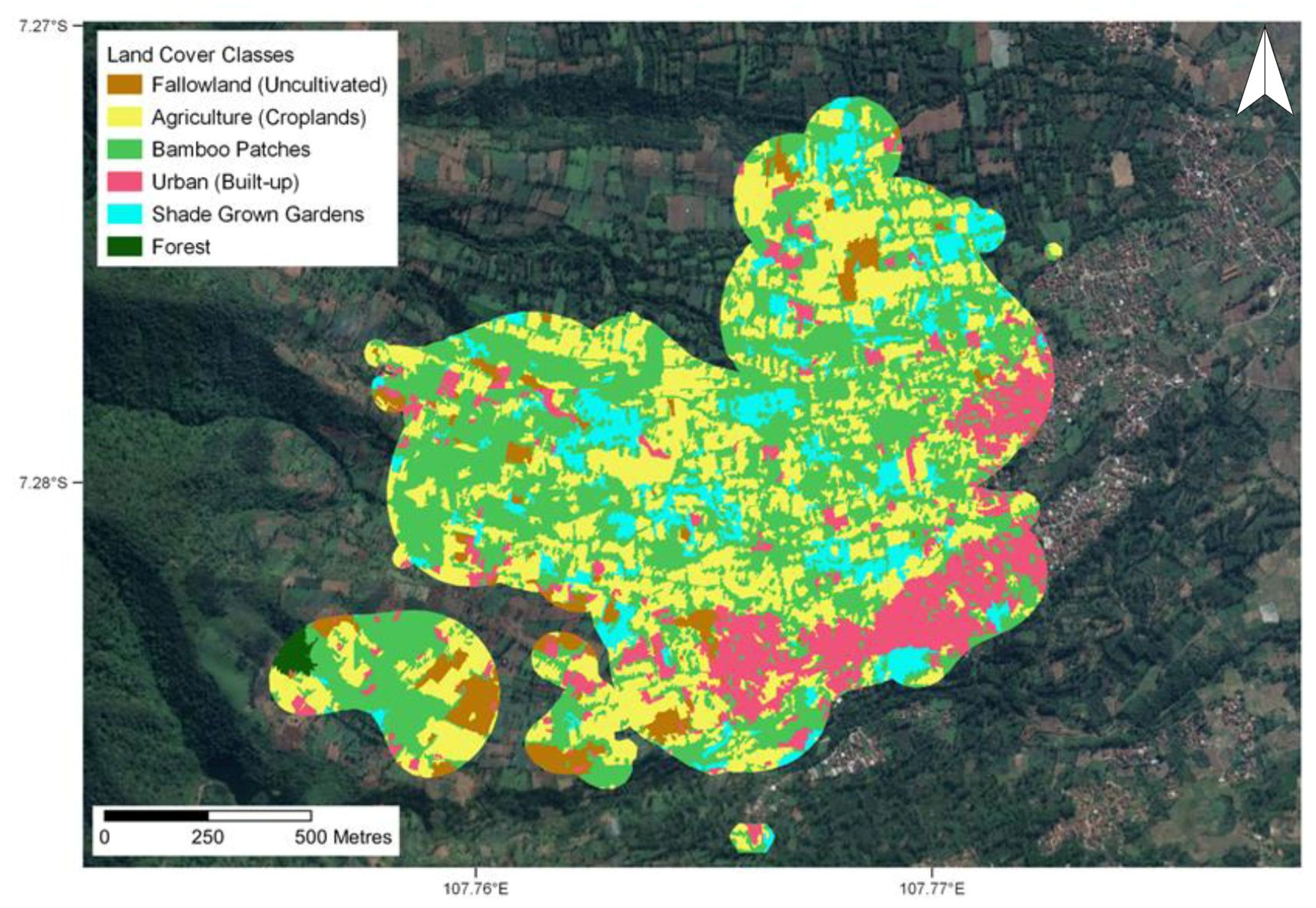
New Lit Alert: Habitat Use, Terrestriality and Feeding Behaviour of Javan Slow Lorises in Urban Areas of a Multi-Use Landscape in Indonesia
Habitat Use, Terrestriality and Feeding Behaviour of Javan Slow Lorises in Urban Areas of a Multi-Use Landscape in Indonesia L Karimloo, M Campera, M.A. Imron, S Rakholia, A Mehta, K Hedger, K.A.I. Nekaris Abstract Urban areas are rapidly expanding into…
-
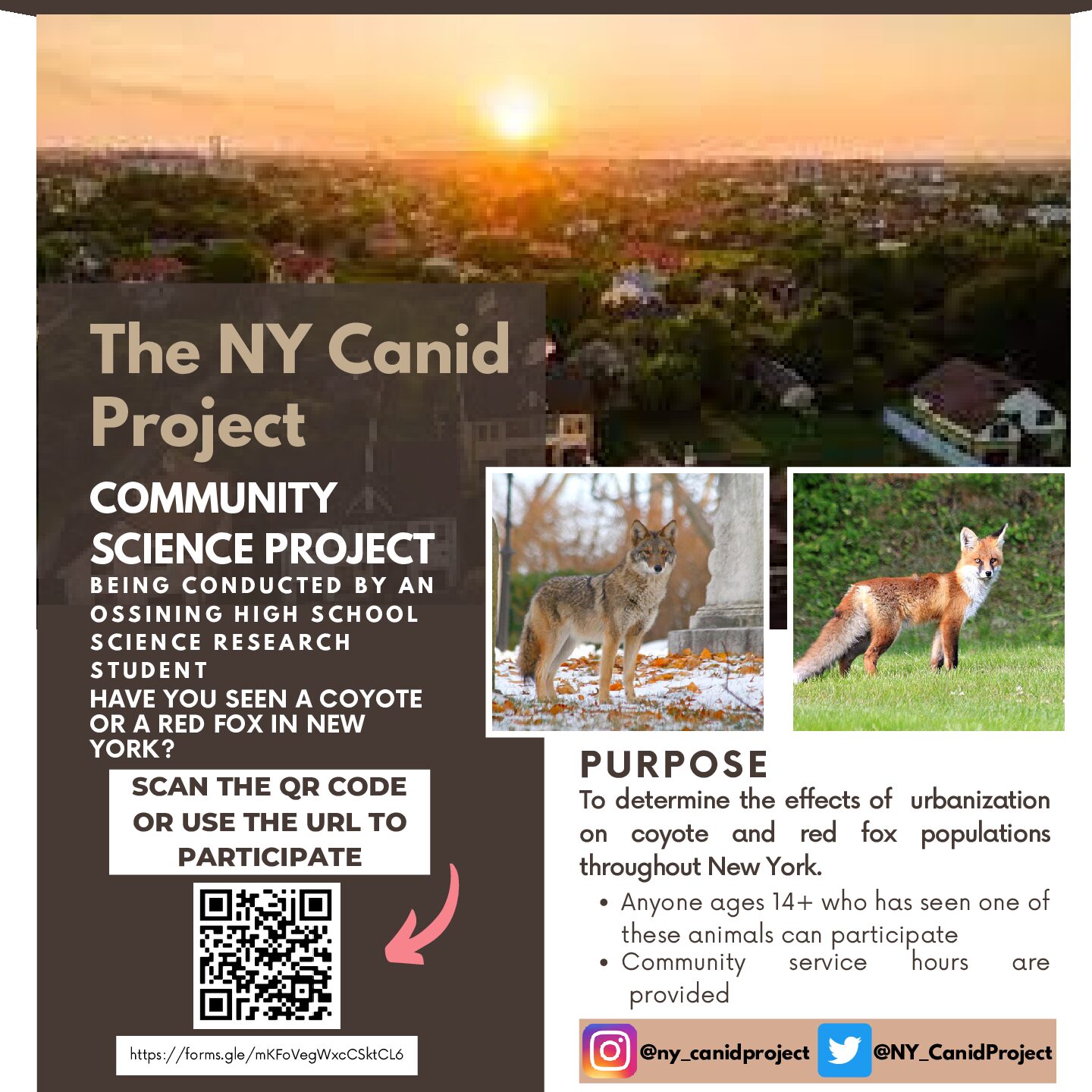
Contribute to the New York Canid Project!
The New York Canid Project is a community science study led by Isabella Vinces, a Science research student at Ossining High School. The goal for this study is to determine the effects of coyote populations on previously residing red fox…
-

From Isolation to Collaboration: How COVID-19 Lockdowns Inspired a Citizen Science Project Illuminating the Wonders of Urban Plant Diversity
By Veerle Langezaal During the Covid-19 lockdowns, a grassroots movement emerged where botanists in France, the UK, and the Netherlands began chalking plant species names on sidewalks. This initiative aimed to educate communities about the ecological importance of these plants,…
-
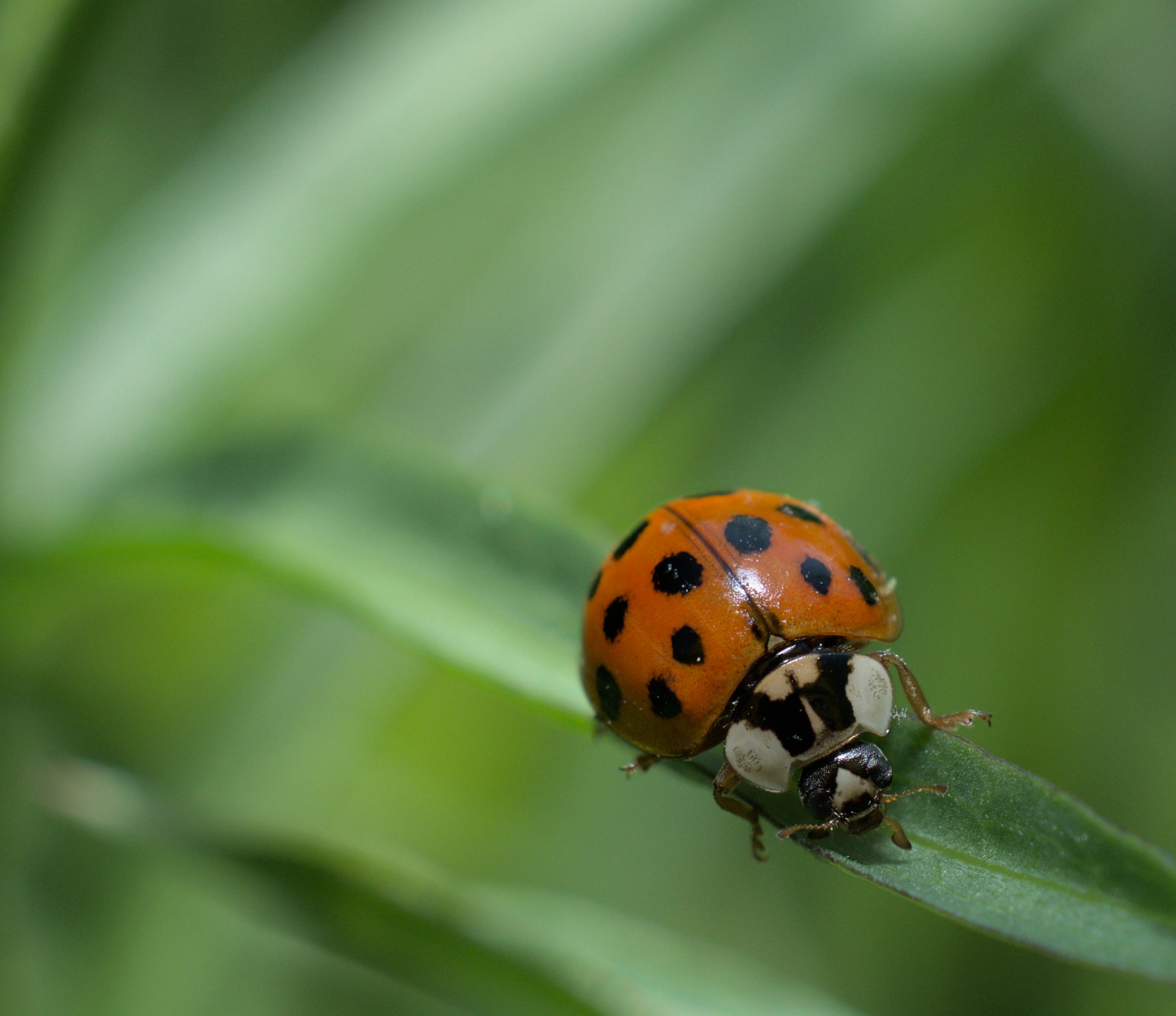
Urban Observation: Asian Ladybeetle
The Asian Ladybeetle (Harmonia axyridis) is a common sight in many urban gardens, such as those on Governor’s Island in New York Harbor. They are voracious predators, feeding on soft-bodied arthropods like aphids and scale insects. These beetles were imported…
-
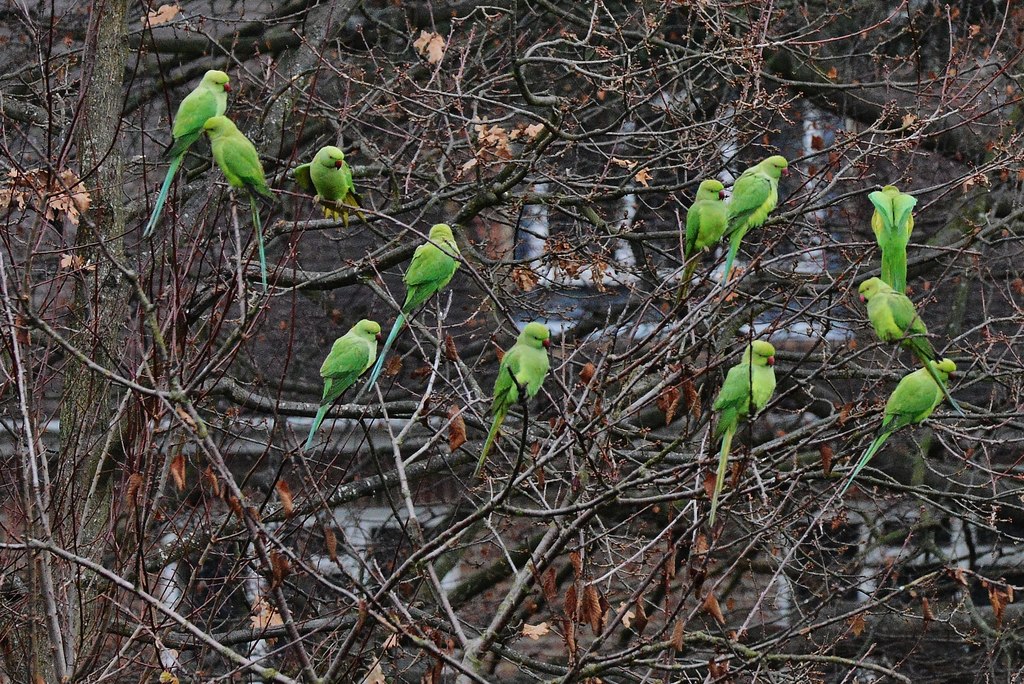
Grey buildings, green birds
Native to the Indian subcontinent and the southern fringes of the Sahel, the ring-necked parakeet (Psittacula krameri) looks wonderfully out of place in the cities of Western Europe. How and when exactly the colourful bird species established itself in isolated…
-
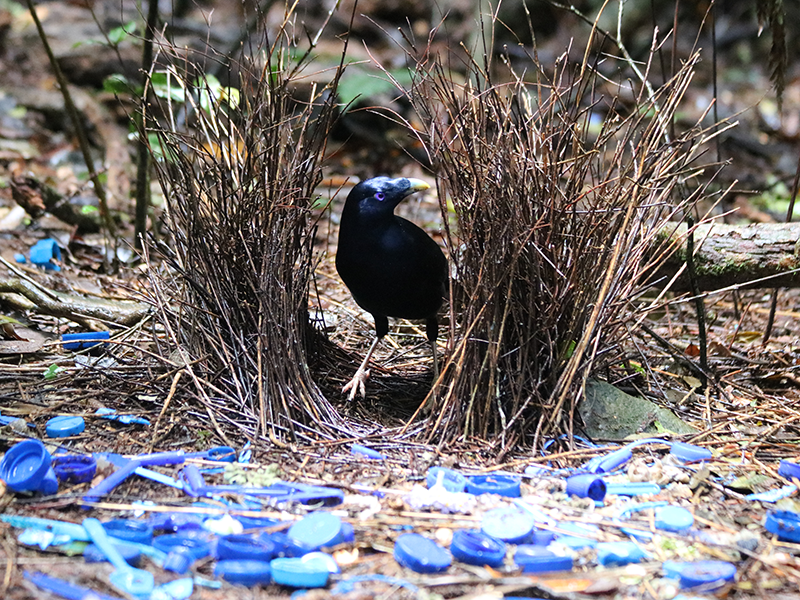
Vintage nests: Birds turning trash into treasures
Sadly, plastics and litter have become part of the urban and often rural environment. It can be found almost everywhere and in any form – ranging from plastic bags to broken traffic cones. We consider it trash, however, for some…
Latest Posts
Latest Comments
adaptation ALAN anole anoles anolis Australia behavior biodiversity bird birds city conference conservation diet ecology Evol2019 evolution Evolution 2019 FID fieldwork gene flow herpetology International Urban Wildlife Conference invasive species IUWC2019 lizard mammals morphology NYC physiology pigeons plants plasticity pollution SICB thermal urban urban birds Urban ecology urban evolution urban heat island urbanization urban observation urban wildlife wildlife