
Category: Guest Post
Blog news (3) Books (2) Citizen Science (21) Conference Proceedings (73) Defining Urbanization (6) Guest Post (10) How To (14) Museums/Natural History Collections (3) Natural History Notes (10) New Lit Abstracts (101) New Research (181) New Research Tools (7) Notes from the field (15) Public Outreach (22) sustainable development (3) Uncategorized (43) Urban Environments (60) Urban Evolution in the Media (12) Urban observations (88) Urban Wildlife (17)
-
Refuge or Risk: Can Cities Protect Our Frogs?
For some organisms, cities are a place of opportunity. Our human diet and lifestyle leads to a lot of waste, some of which is…
-
If not pet, why pet shaped?
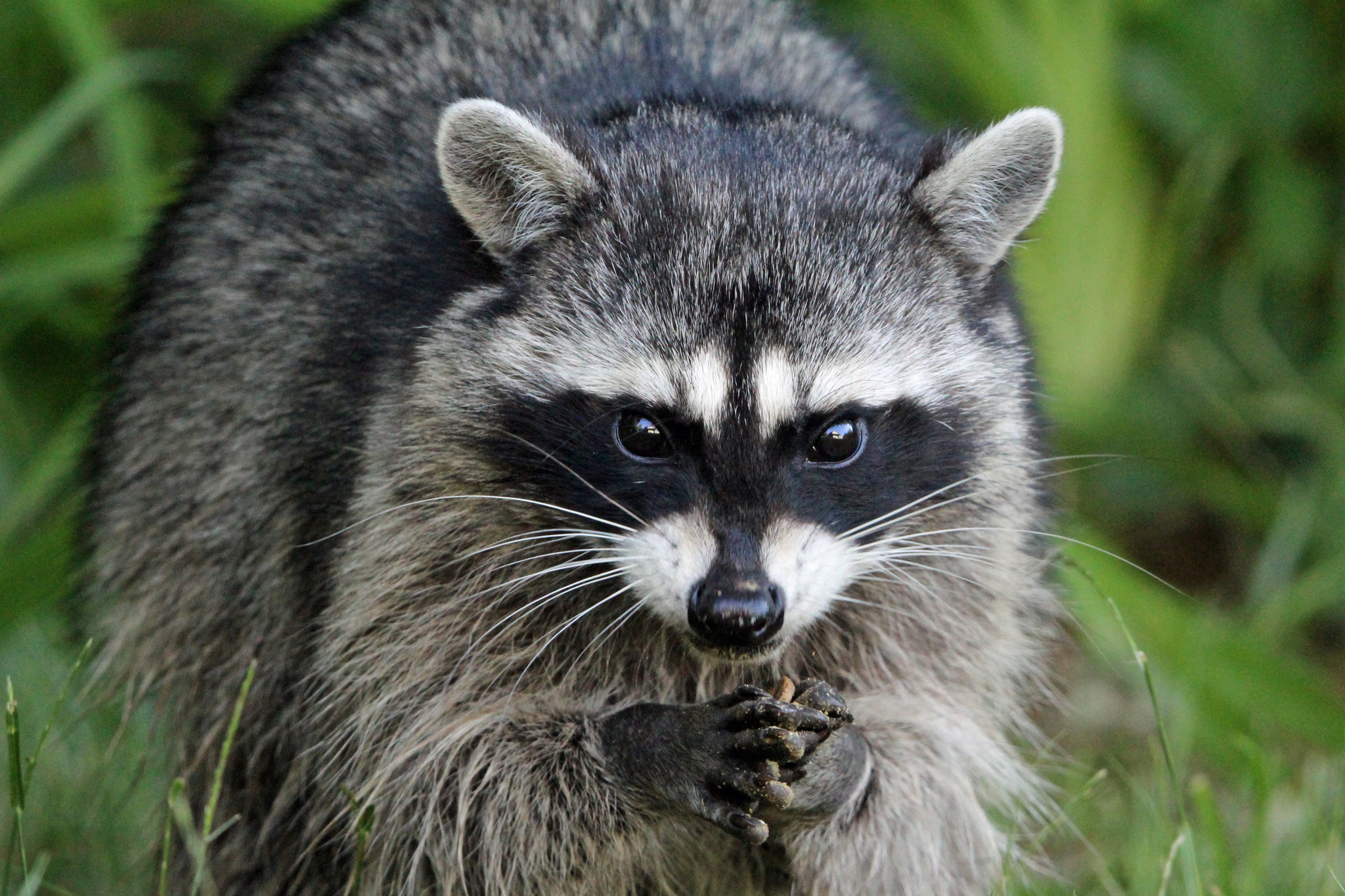
Everyone is familiar with this image, either from popular media or maybe even from real life: you’re walking through a North American city at…
-
Using Soundscapes to Monitor Urban Diversity
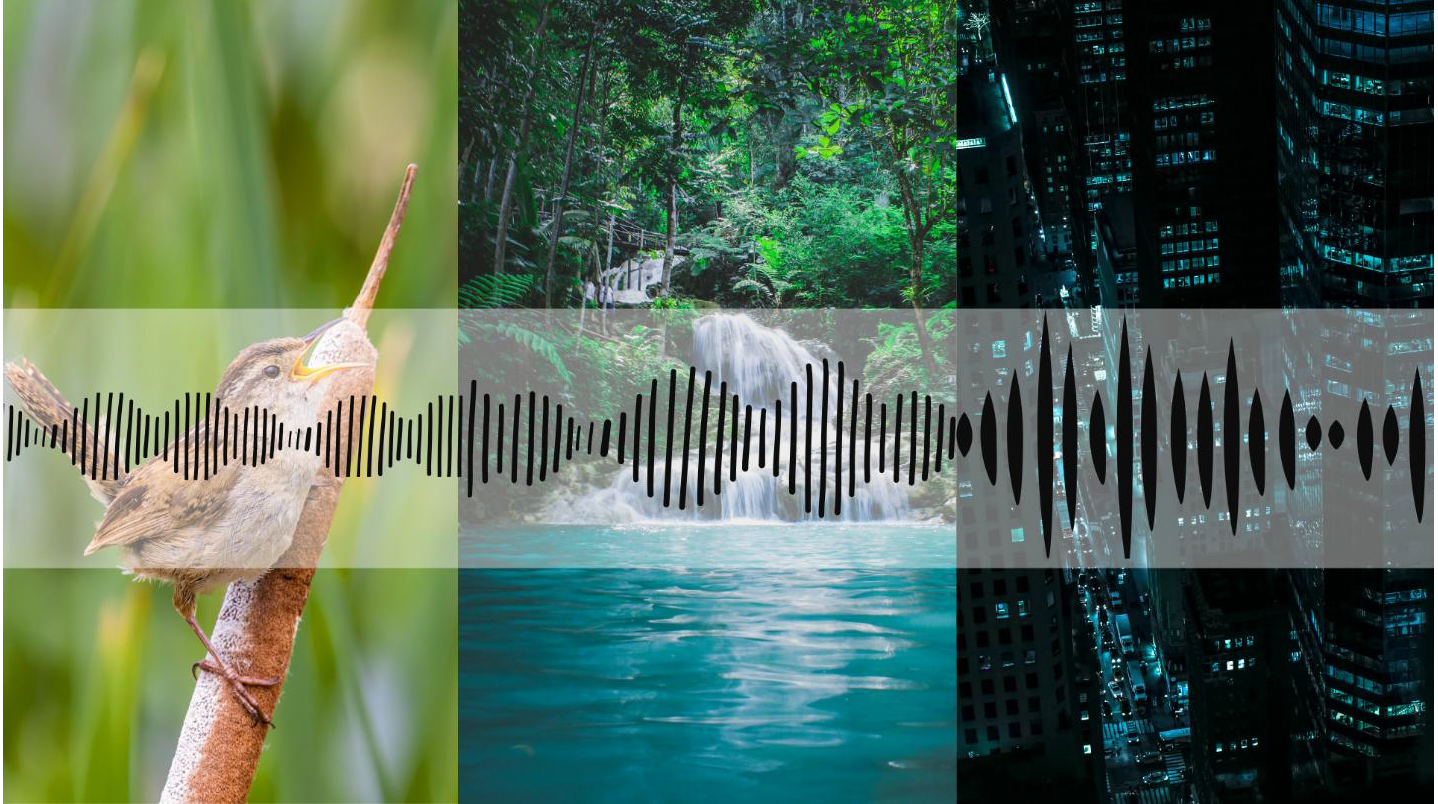
Using soundscapes to monitor urban diversity by Shade Walker Daily sounds of local traffic, the coffee machine pouring, conversations over breakfast, and morning birdsong,…
-

Urban Environments – A Hidden Insect Biodiversity Hotspot?
Walid-Dani Kaki “In none of his works did Nature show her originality more than in insects”(Pliny the Elder) In recent years we have seen…
-
Urban Evolution & Art
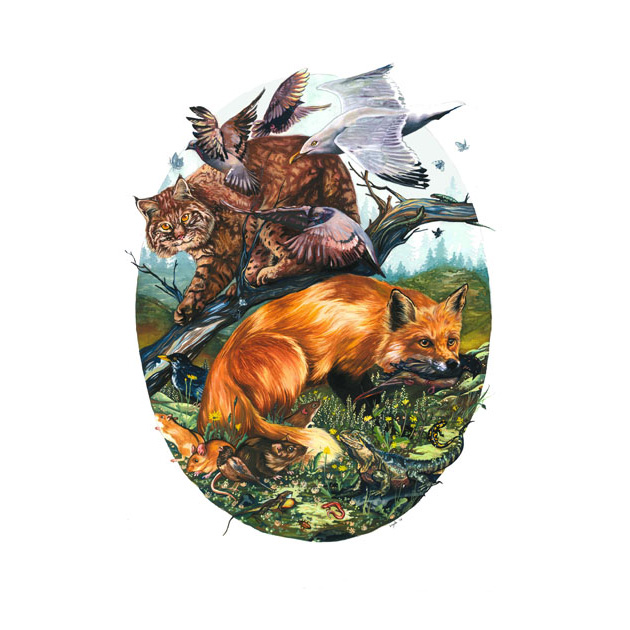
The piece below was posted in 2018 by A.Z. Andis Arietta a PhD candidate in the School of Forestry & Environmental Studies at Yale…
-
Q&A: Urban Evolutionary Biology
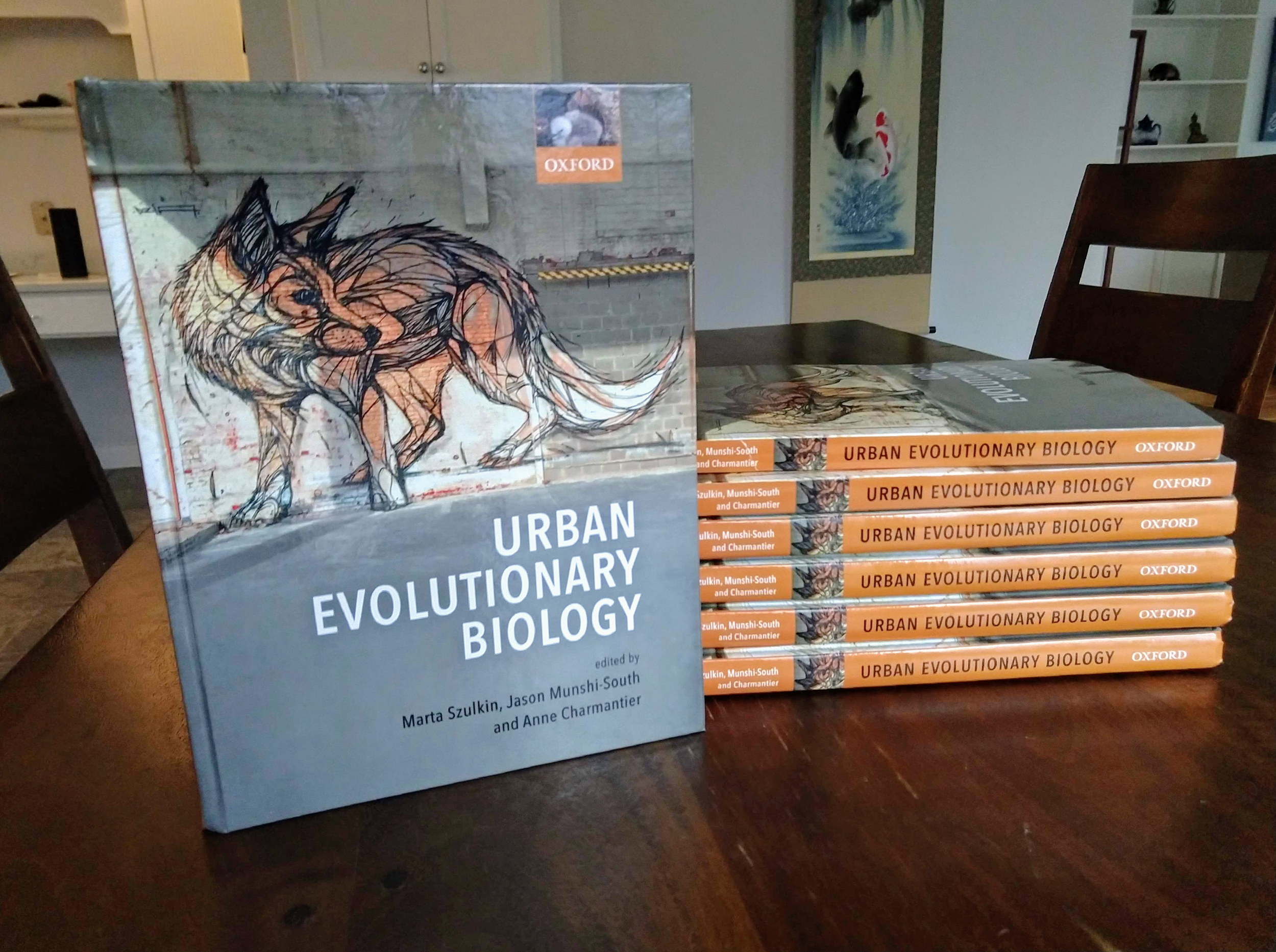
The long-awaited first textbook on urban evolution, Urban Evolutionary Biology, was released this summer. This fantastic text features chapters written by several of the…
-
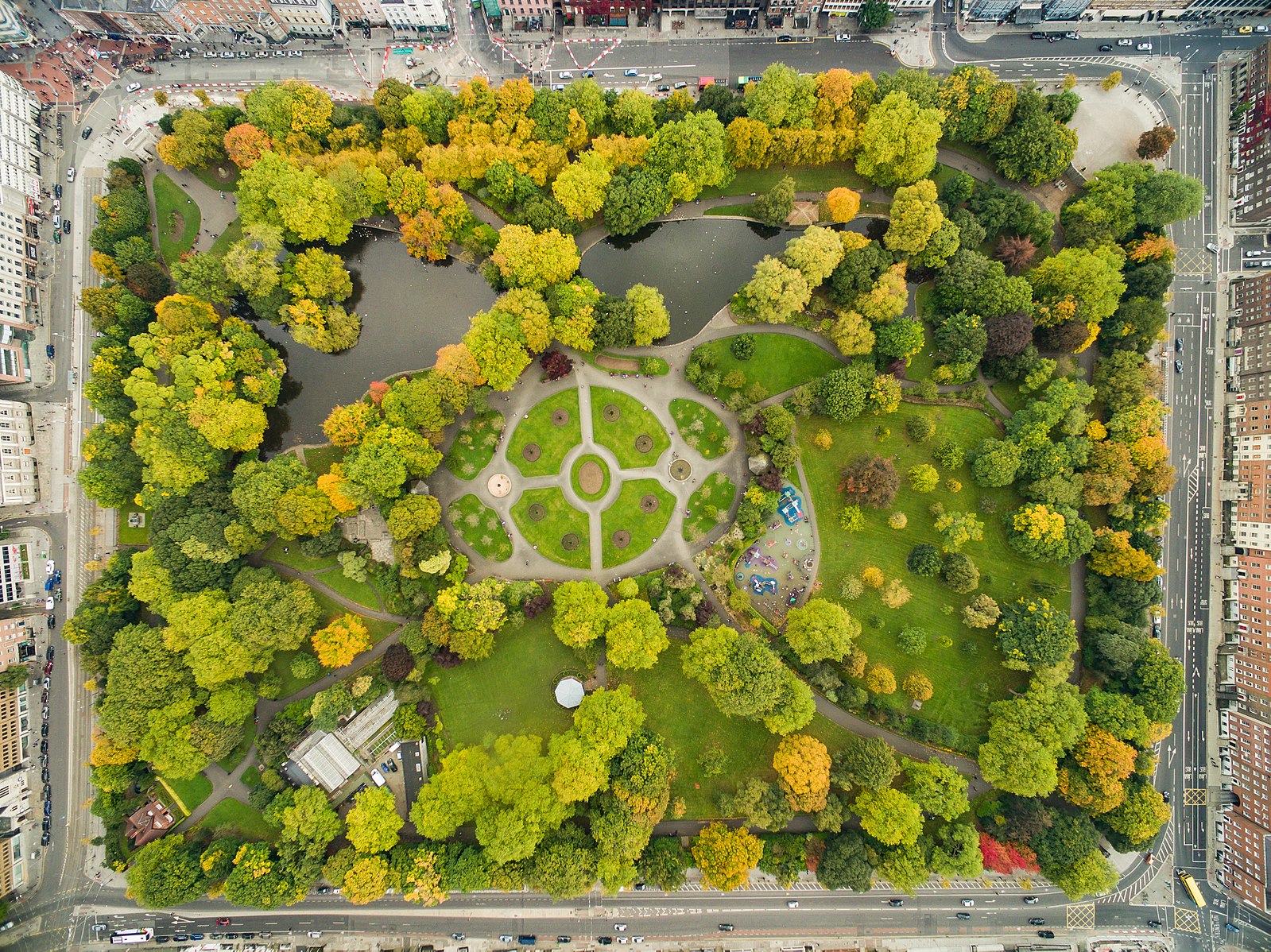
Conserving Urban Biodiversity Needs an Evolutionary Mindset
A variety of species – animals, plants, fungi, microbes – share our cities with us. Some we love, some we hate, and some we…
-

What is the “Indoor Biome”?
The tropics of Trinidad… the gleaming ice of the Arctic… as urban scientists, these are field sites we typically forgo for the sake of…
-
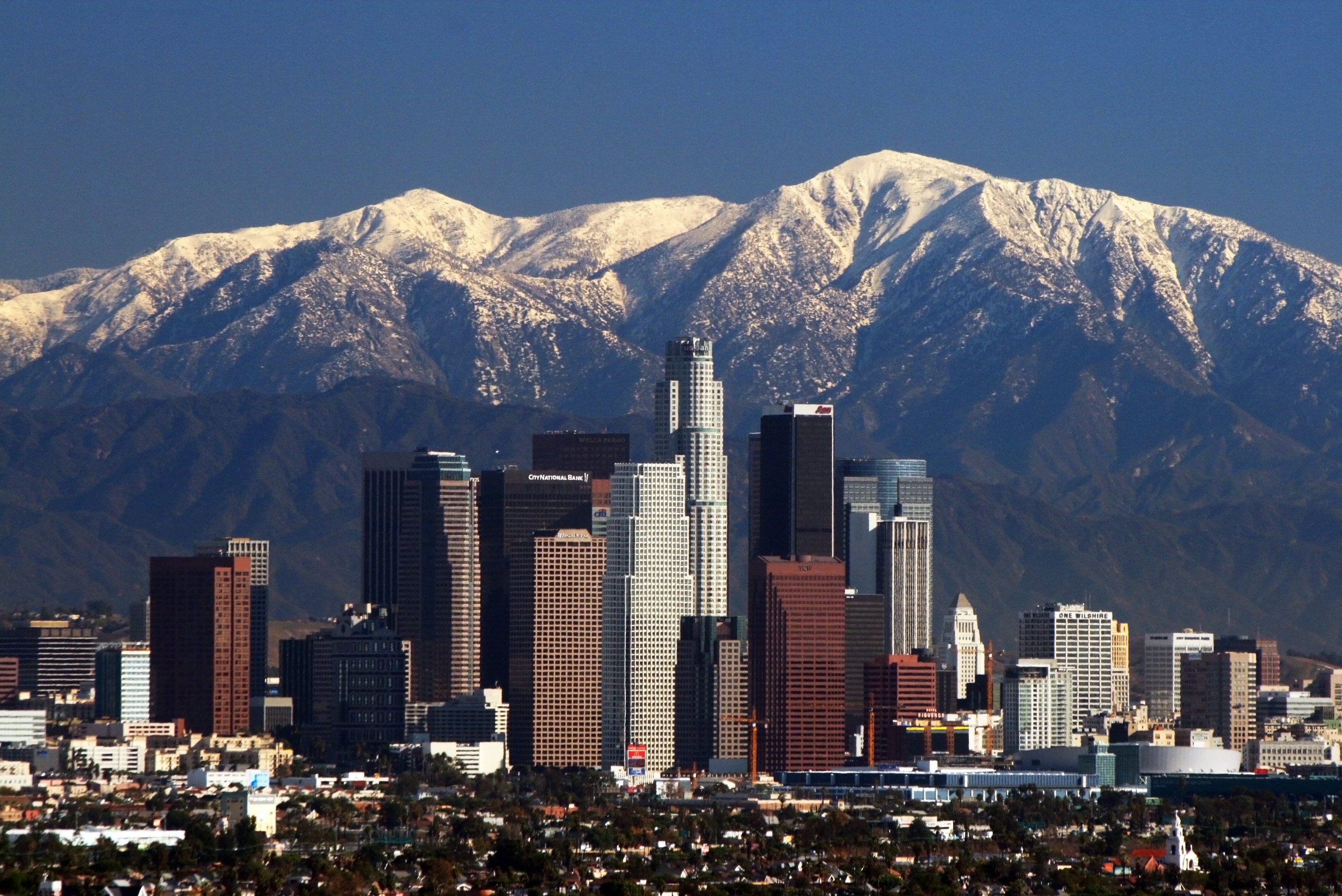
Los Angeles Lizards: Shifts in Morphology Associated with Urban Living
Ecomorphology describes how an animal’s physical traits (called morphology) match how it uses its habitat. It is assumed that ecomorphology results from performance-morphology relationships…
-
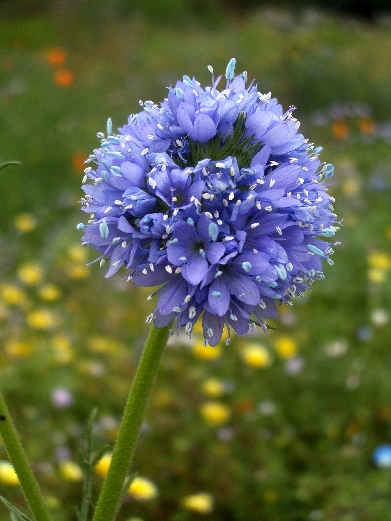
IUWC 2019: Attractiveness of Native Plants to Bees and to Gardeners
Aaron Anderson is a Ph.D. student in Horticulture at Oregon State University, where he works in the Garden Ecology Lab. Aaron’s project was inspired…