
Category: New Research
Blog news (3) Books (2) Citizen Science (21) Conference Proceedings (73) Defining Urbanization (6) Guest Post (10) How To (14) Museums/Natural History Collections (3) Natural History Notes (10) New Lit Abstracts (101) New Research (181) New Research Tools (7) Notes from the field (15) Public Outreach (22) sustainable development (3) Uncategorized (43) Urban Environments (60) Urban Evolution in the Media (12) Urban observations (88) Urban Wildlife (17)
-

What is the “Indoor Biome”?
The tropics of Trinidad… the gleaming ice of the Arctic… as urban scientists, these are field sites we typically forgo for the sake of…
-
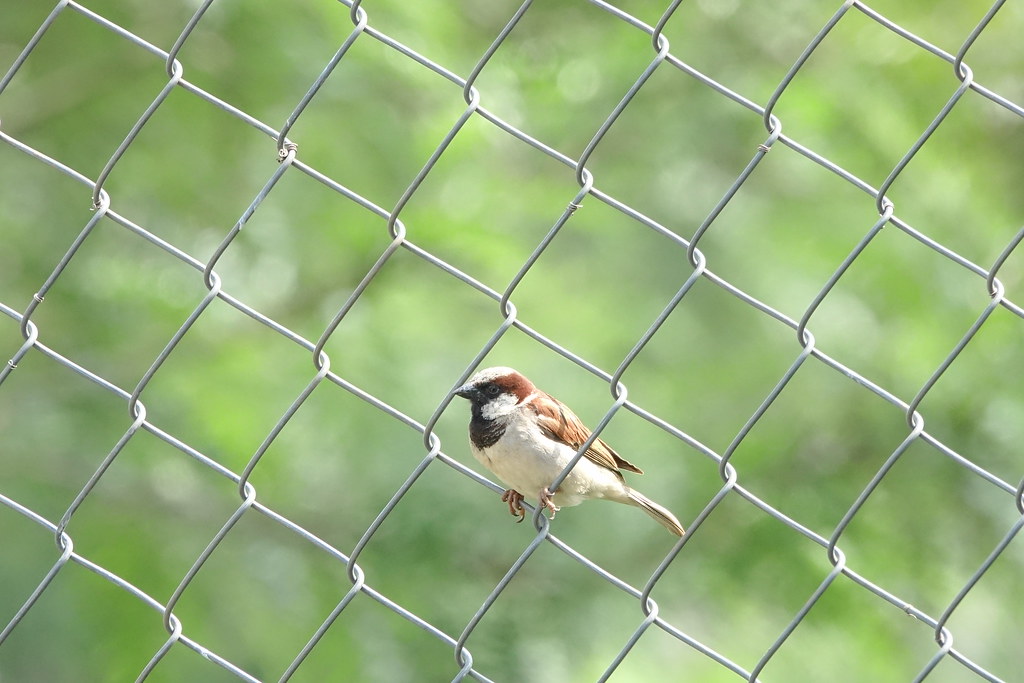
High Lead (Pb) Exposure May Lead to Adaptation in House Sparrows
City life can be difficult for many organisms. Cities are louder, brighter, hotter, and often more contaminated with toxins than nearby less-developed areas. Ever-increasing…
-
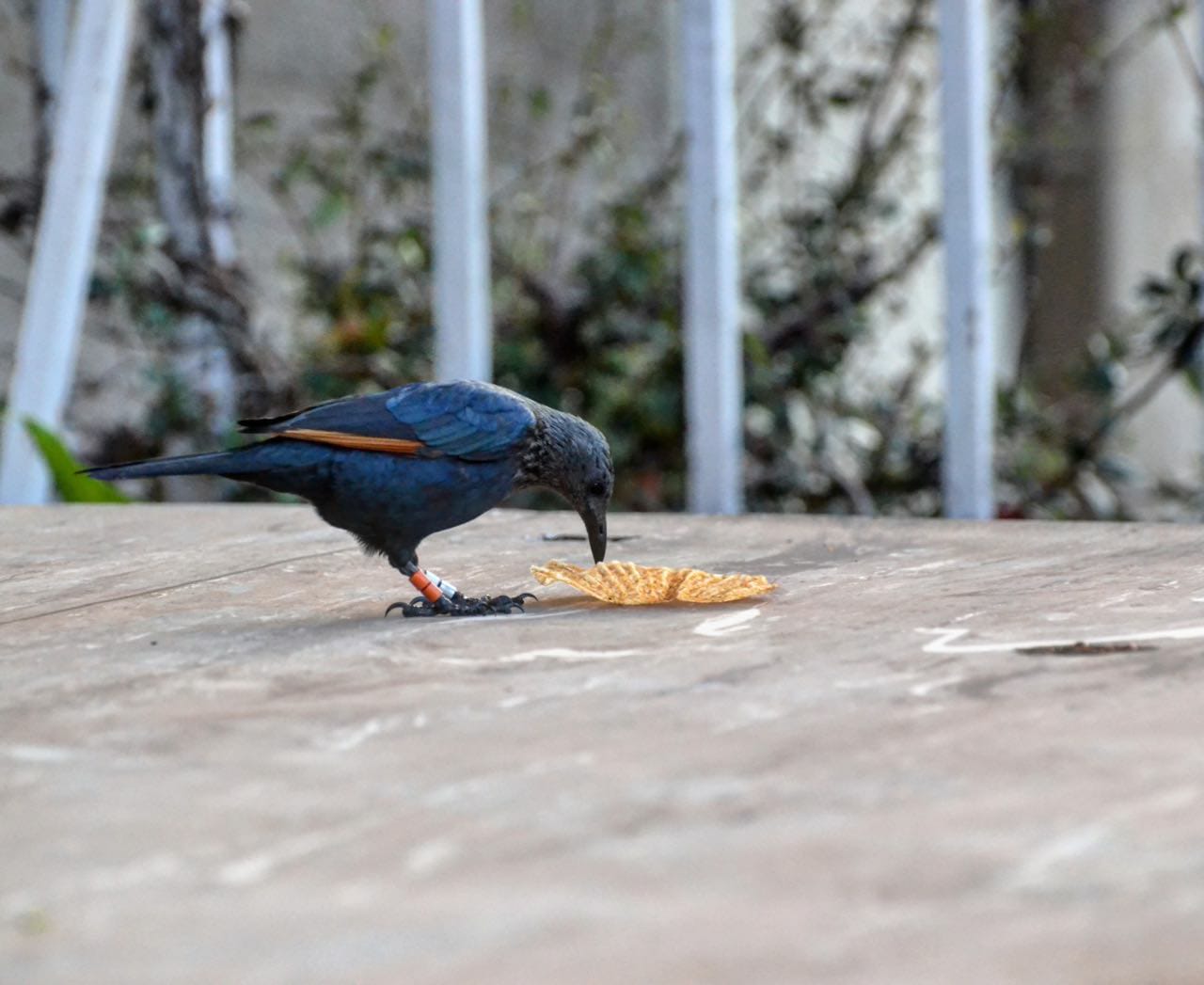
Juggling a Junk Food Diet: Urban Birds Go on a Diet on Weekends Due to Less Availability of Junk Food
Have you ever found yourself wishing that the cafeteria was opened on weekends? Well apparently so have the birds! Read on to find out…
-
Los Angeles Lizards: Shifts in Morphology Associated with Urban Living
Ecomorphology describes how an animal’s physical traits (called morphology) match how it uses its habitat. It is assumed that ecomorphology results from performance-morphology relationships…
-
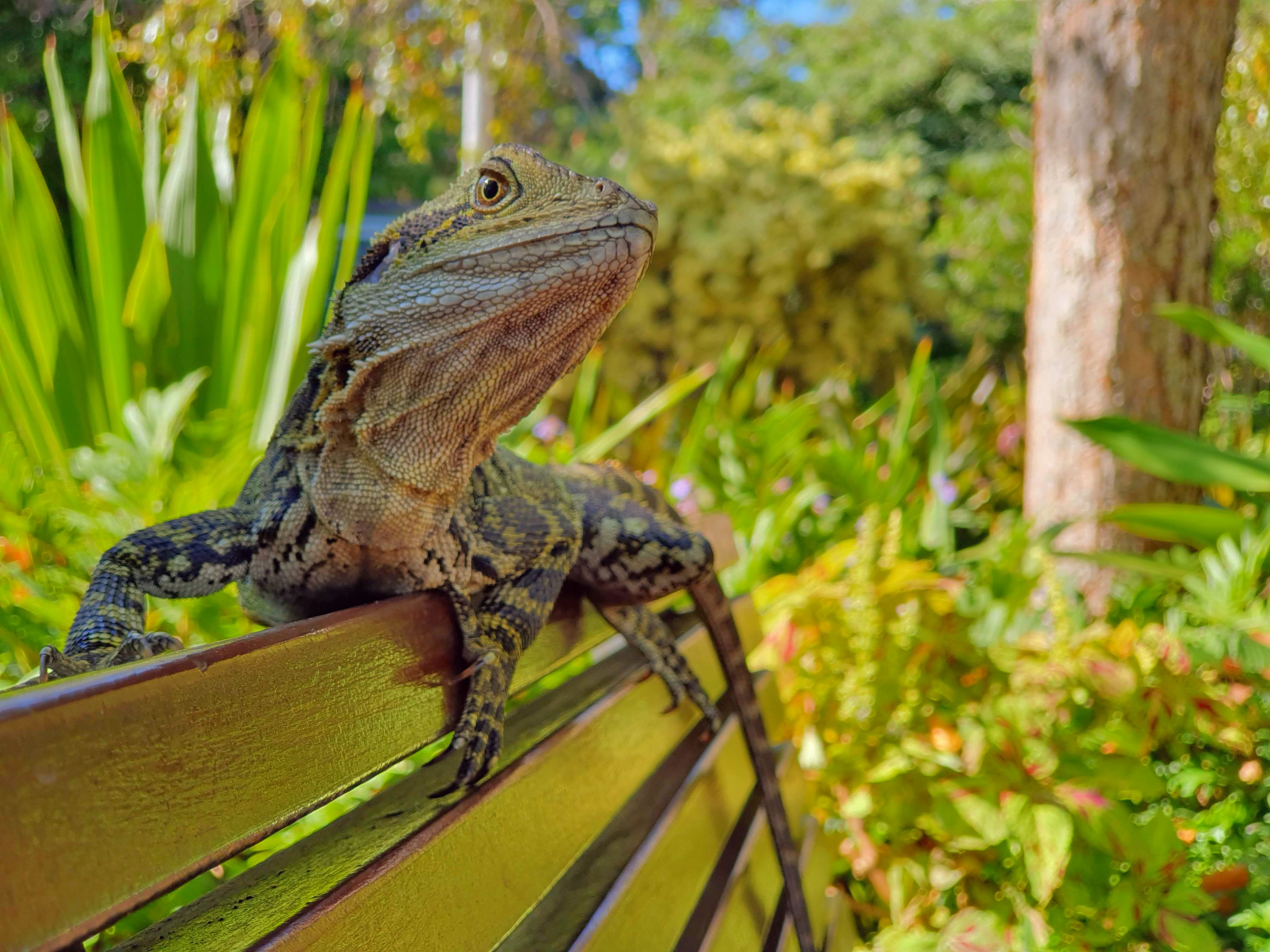
Urban Dragons are Innately Bold
We’ve talked before here on Life in the City about behavioral shifts related to fear and boldness in urban animals (check out: Skirting Skinks: Are…
-
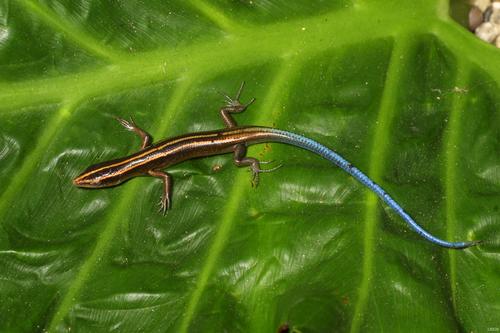
Skirting Skinks: Are Lizards Learning to Live Among Humans?
You can’t live near humans if you’re afraid. Fleeing constantly can be very costly, so generally animals near humans tend to become accustomed to…
-
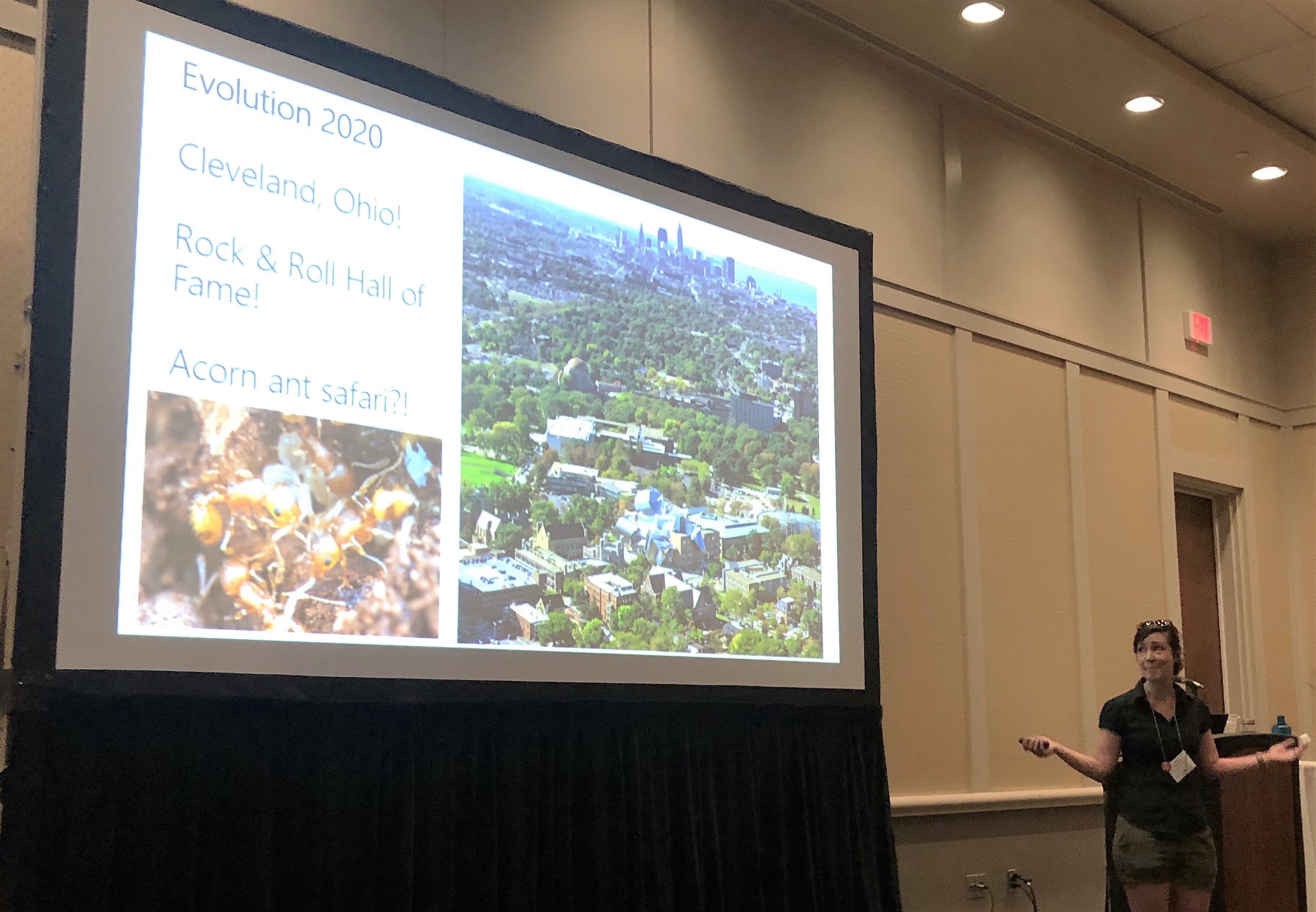
Evolution 2019: Cities Accelerate Metabolic Rate and Diminish Thermal Sensitivity in Acorn Ants
Here’s an idea for the newest weight loss fad: live in a city. In her presentation at Evolution 2019, Dr. Sarah Diamond showed that…
-
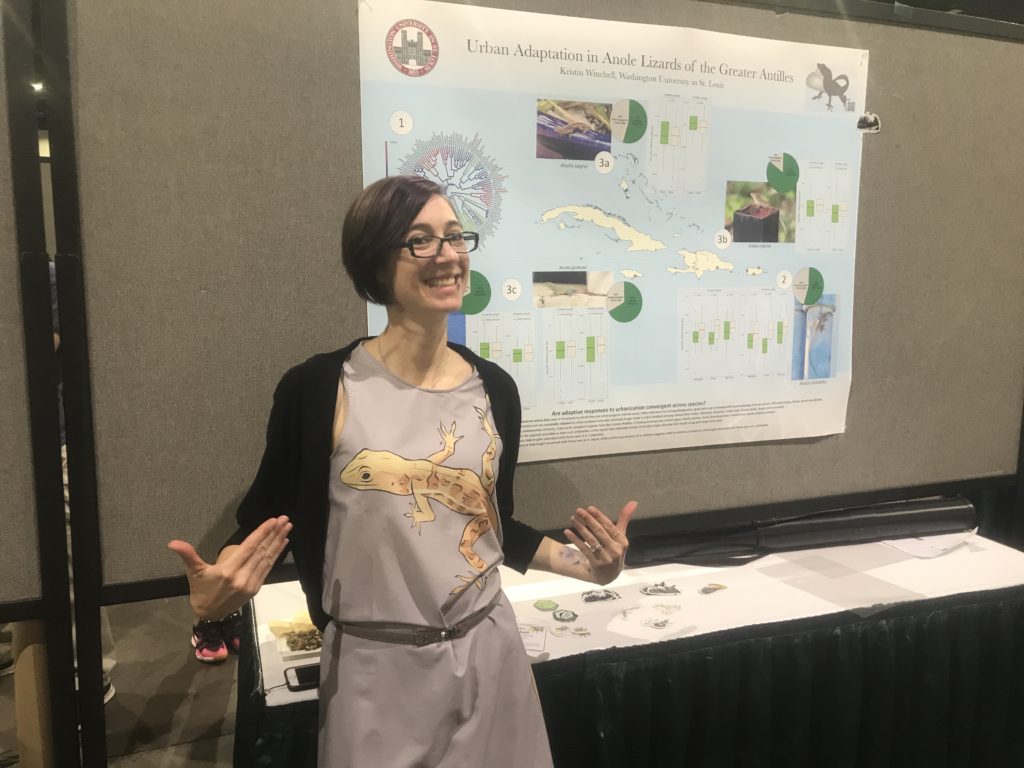
Evolution 2019: Do Anoles Adapt to Urbanization in Similar Ways? Maybe.
A major outstanding question in urban evolution (and evolutionary biology in general) is whether adaptation occurs in similar ways in different populations and across…
-
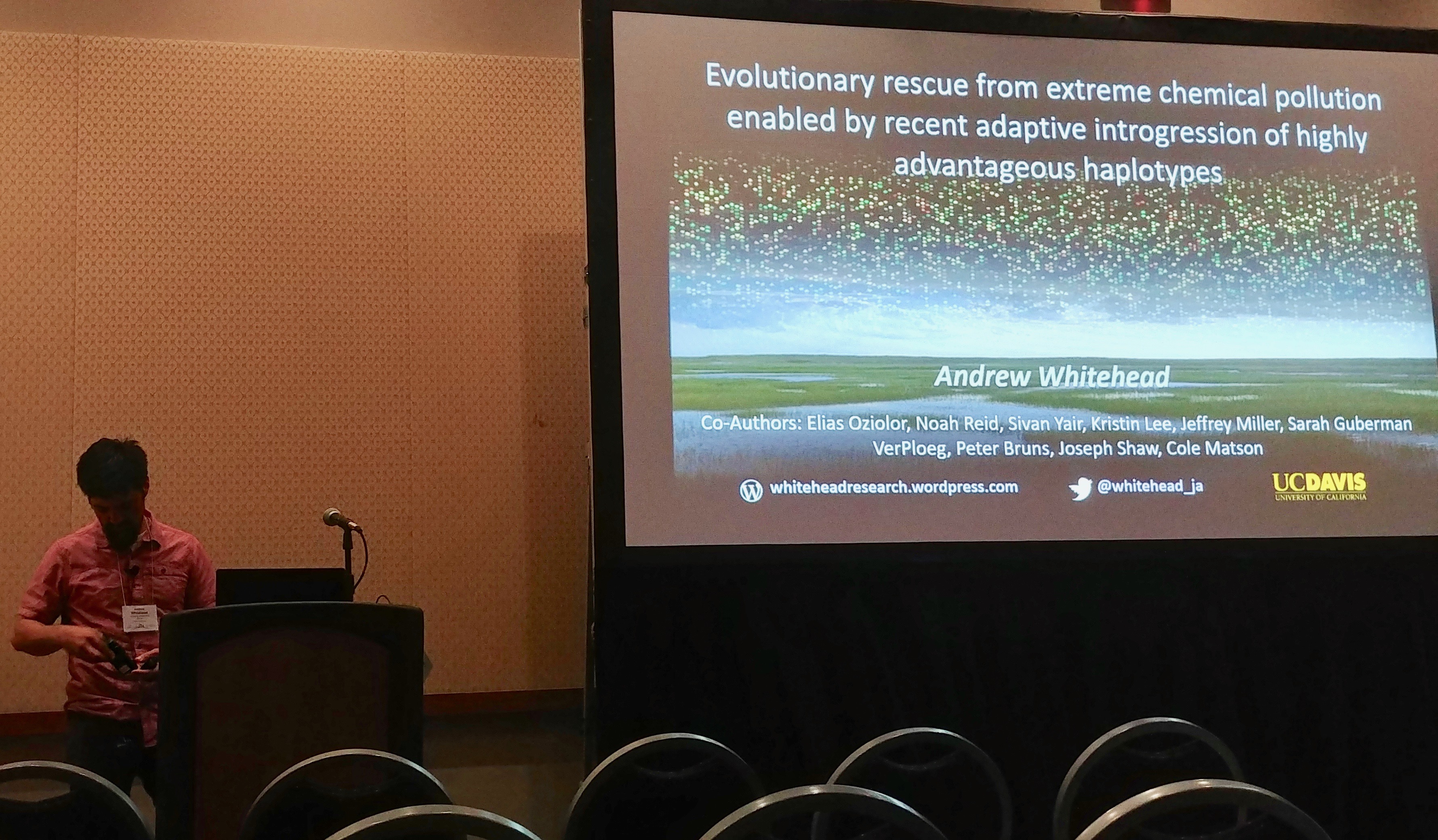
Evolution 2019: Evolutionary Rescue from Extreme Environmental Pollution Enabled by Recent Adaptive Introgression of Highly Advantageous Haplotypes
Humans often drive quick and pronounced changes to the environment. When faced with novel environmental stressors, natural populations must adapt to changing conditions, migrate…
-
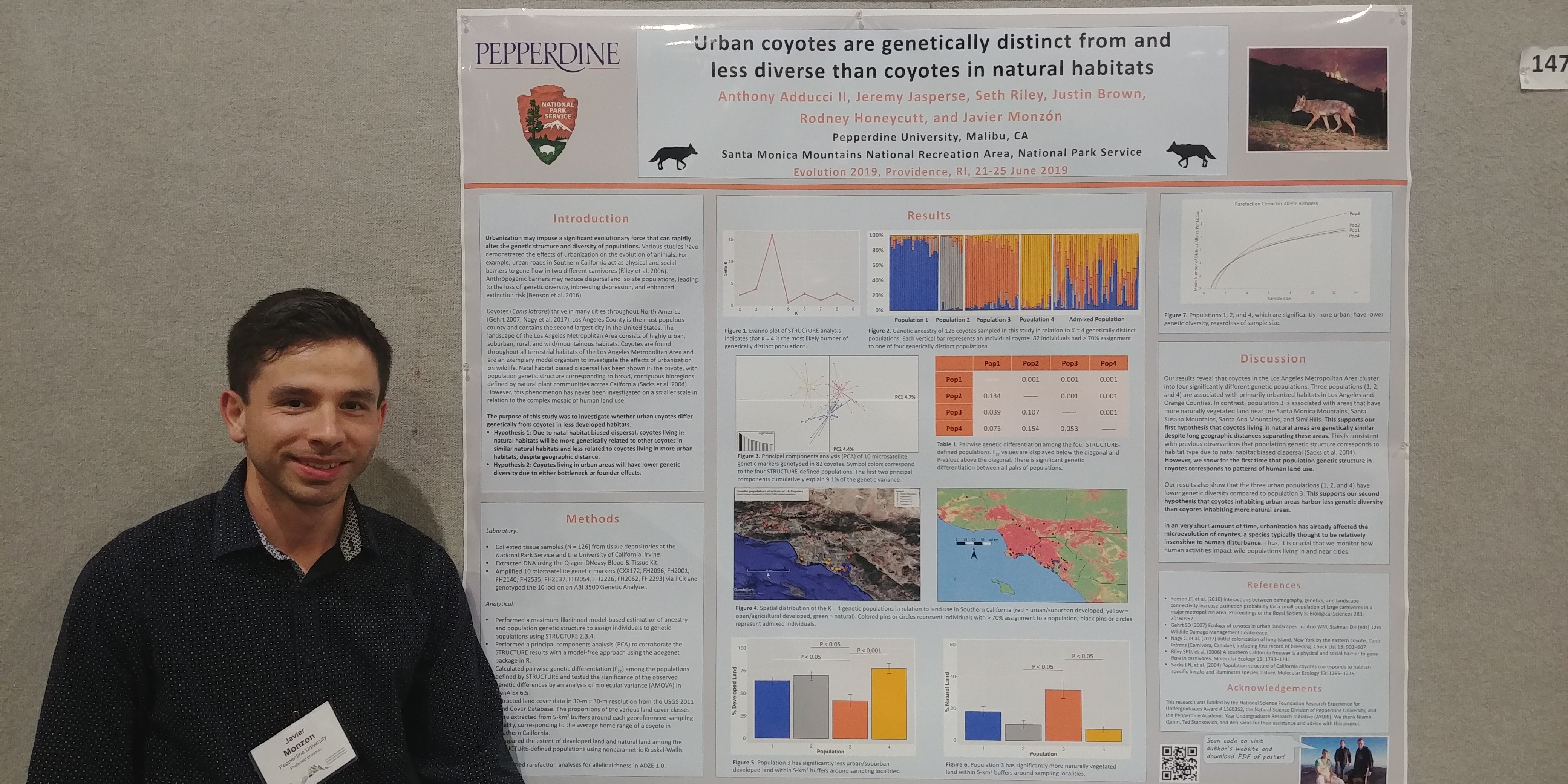
Evolution 2019: Urban Coyotes are Genetically Distinct from and Less Diverse than Coyotes in Natural Habitats
Habitat fragmentation associated with urbanisation if often thought to limit the movement of mobile species, potentially leading to genetically distinct clusters of individuals across…
-
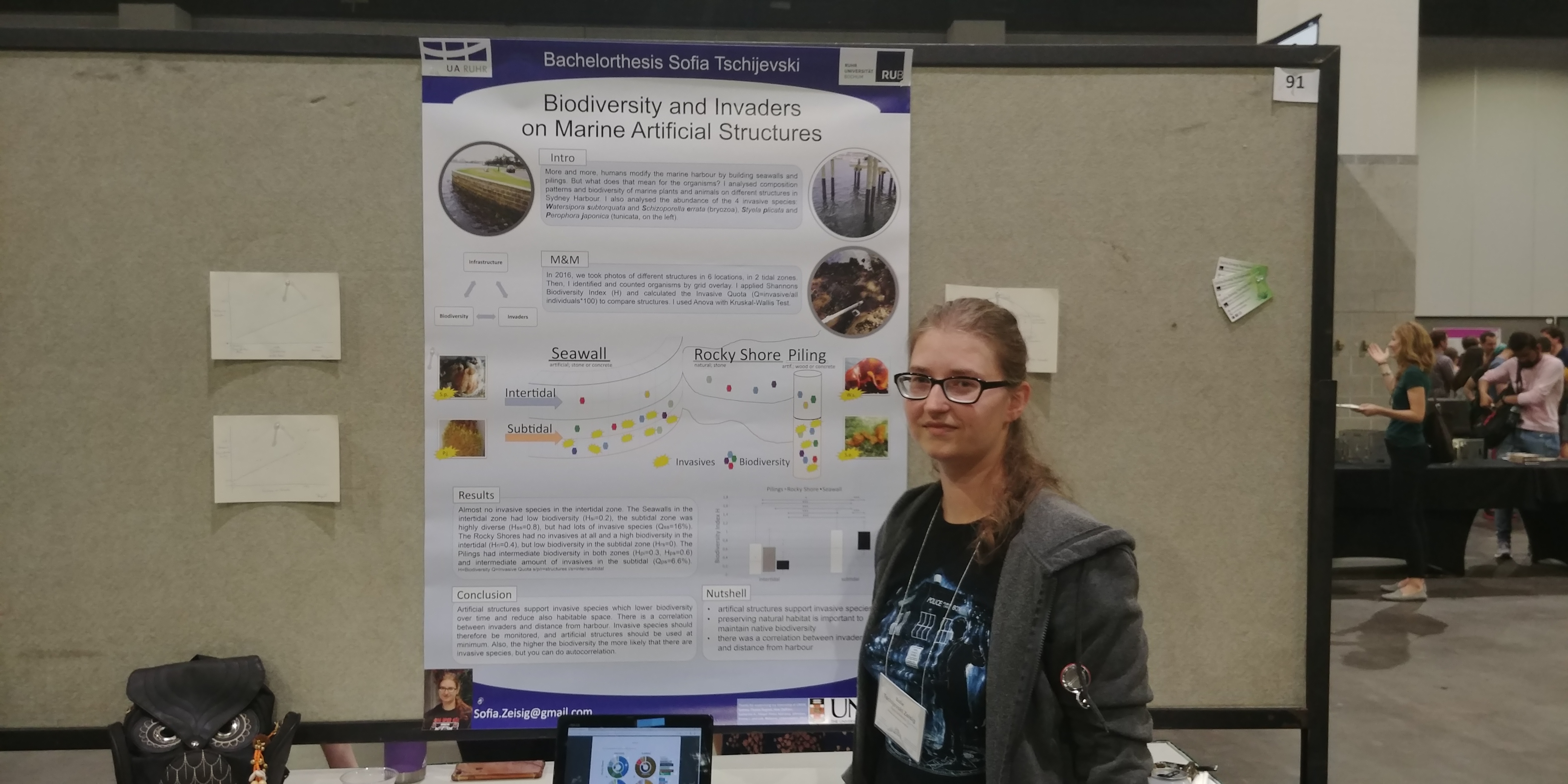
Evolution 2019: Biodiversity and Invaders on Marine Artificial Structures
With increased human movement across the globe comes the increased risk of transporting exotic species, which may establish and disrupt local native communities. In…
-
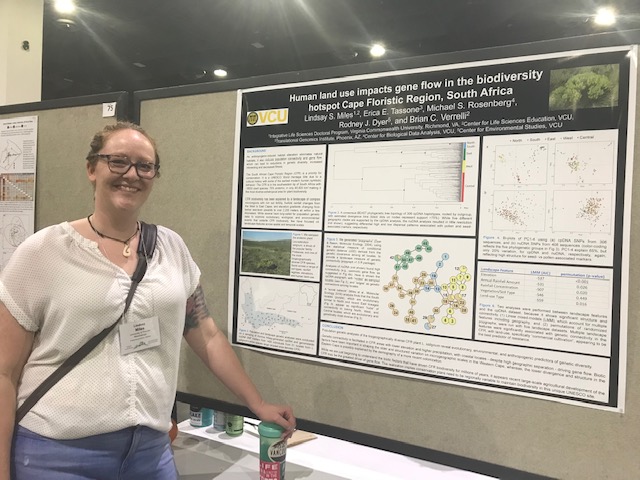
Evolution 2019: Human Land Use Impacts Gene Flow in the Biodiversity Hotspot Cape Floristic Region, South Africa
During Monday’s poster session at Evolution 2019, I had the chance to talk with Dr. Lindsay Miles (currently a postdoc at the University of…
-
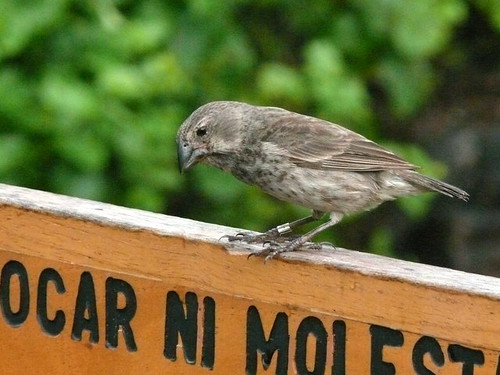
Evolution 2019: Urbanization Drives Evolution of Darwin’s Finches in the Galápagos
Many of us don’t think of the Galápagos as a place that is urbanized, but as we’ve discussed here on Life in the City…
-
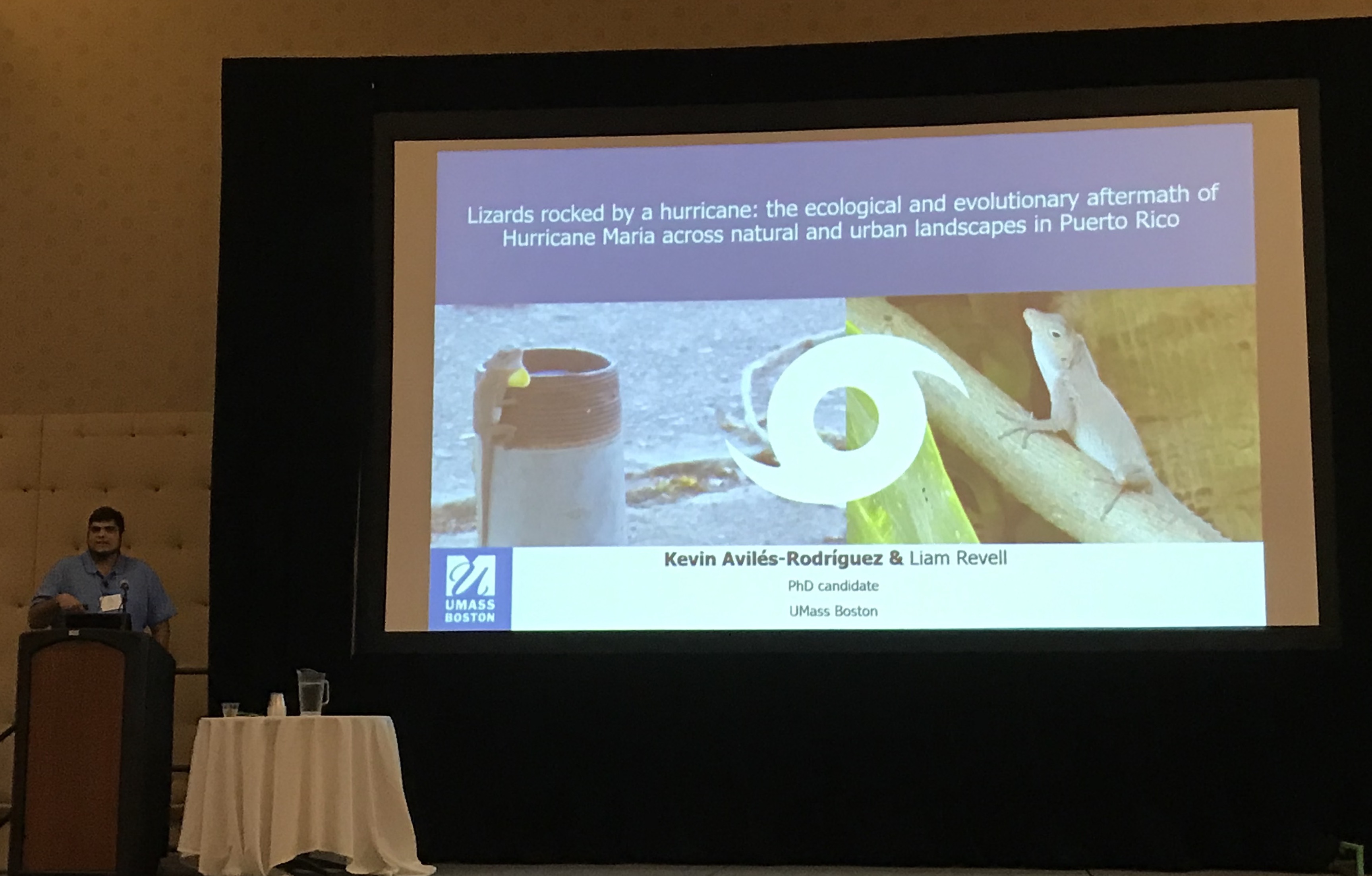
Evolution 2019: Urban Lizard Morphology Changes After Hurricane Maria
Kevin Aviles-Rodriguez, a contributor here at LITC, studies urban adaptation and behavior of Anolis lizards. Previously, we told you all about Kevin’s research on escape…
-
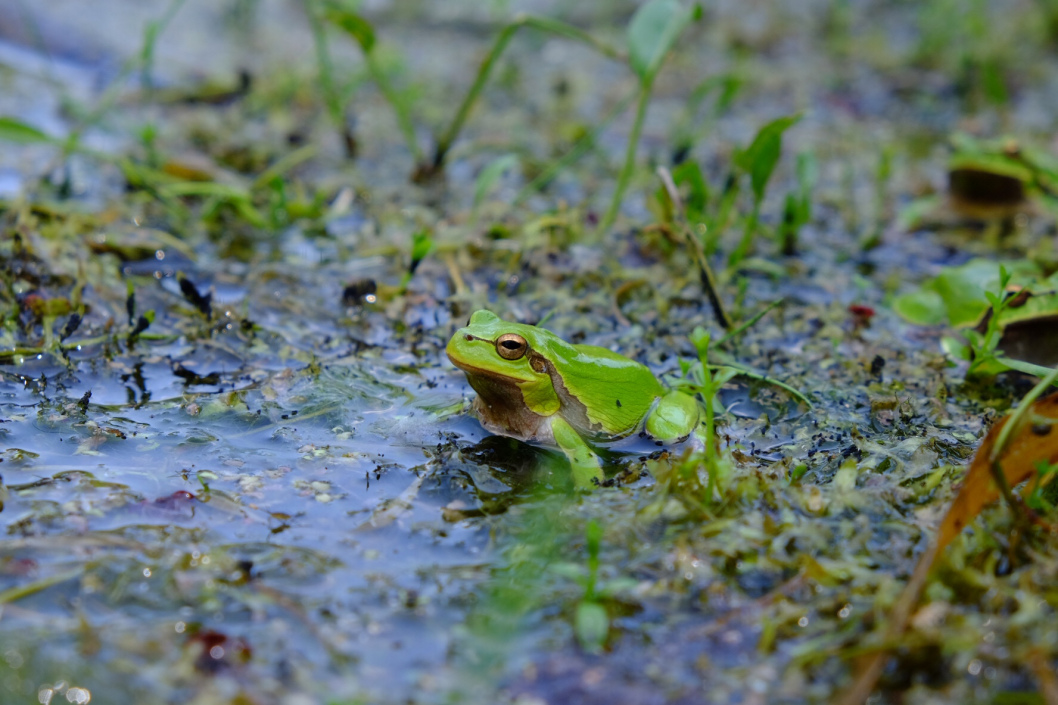
Evolution 2019: Do Frogs Respond Eco-Evolutionarily to the Chernobyl Incident?
Posts here on Life in the City have covered the gamut of impacts of urbanization: the urban heat island, habitat fragmentation, artificial structures, changes…