
Tag: squirrel
Blog news (3) Books (2) Citizen Science (21) Conference Proceedings (73) Defining Urbanization (6) Guest Post (10) How To (14) Museums/Natural History Collections (3) Natural History Notes (10) New Lit Abstracts (101) New Research (181) New Research Tools (7) Notes from the field (15) Public Outreach (22) sustainable development (3) Uncategorized (43) Urban Environments (60) Urban Evolution in the Media (12) Urban observations (88) Urban Wildlife (17)
-
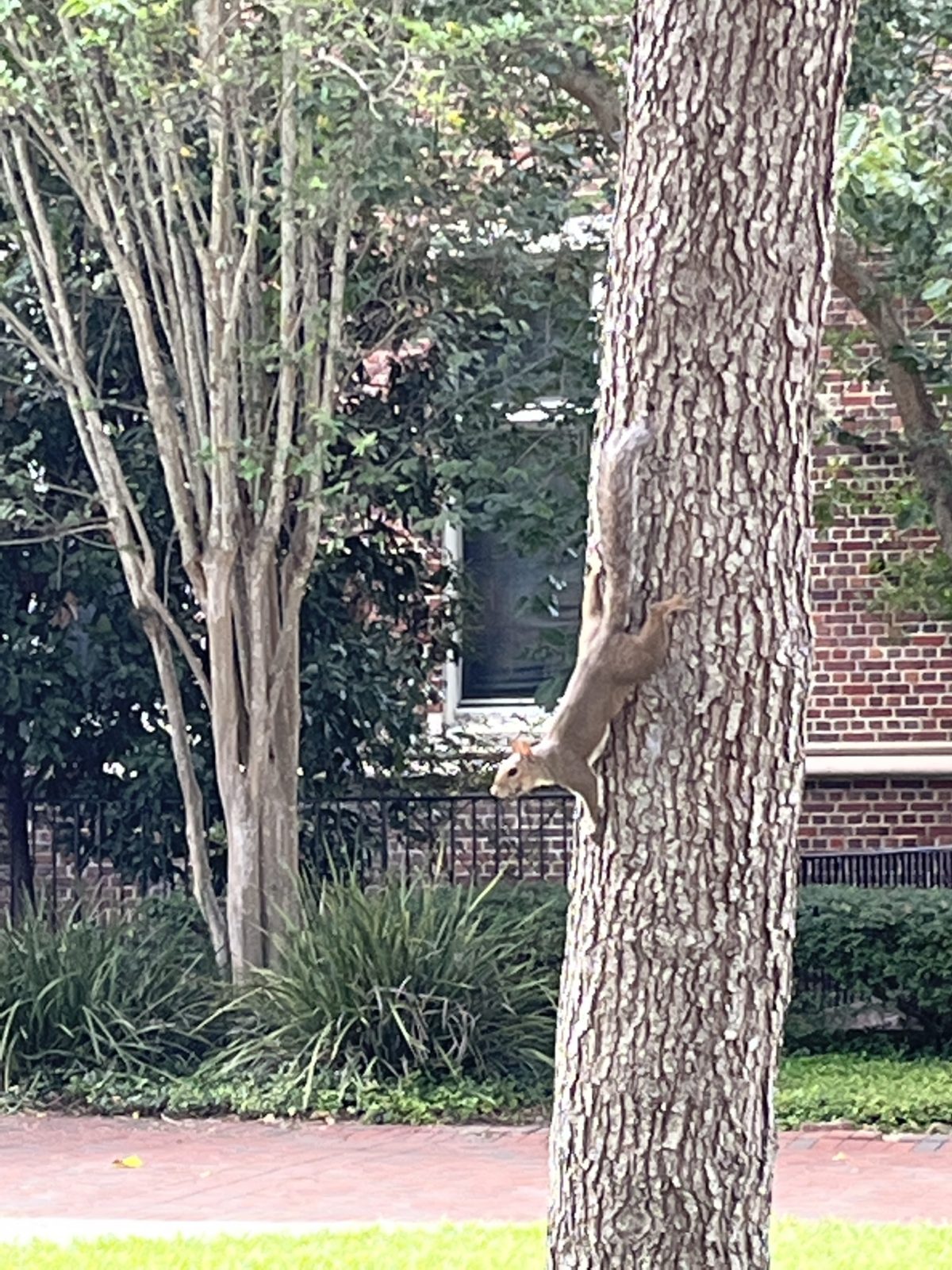
New Lit Alert: Comfortably Numb? Regional Differences in the Relationship Between Indices of Urbanization and a Stress Indicator in Eastern Gray Squirrels
Comfortably Numb? Regional Differences in the Relationship Between Indices of Urbanization and a Stress Indicator in Eastern Gray Squirrels Rebecca Rimbach, Alannah Grant, Pratik…
-
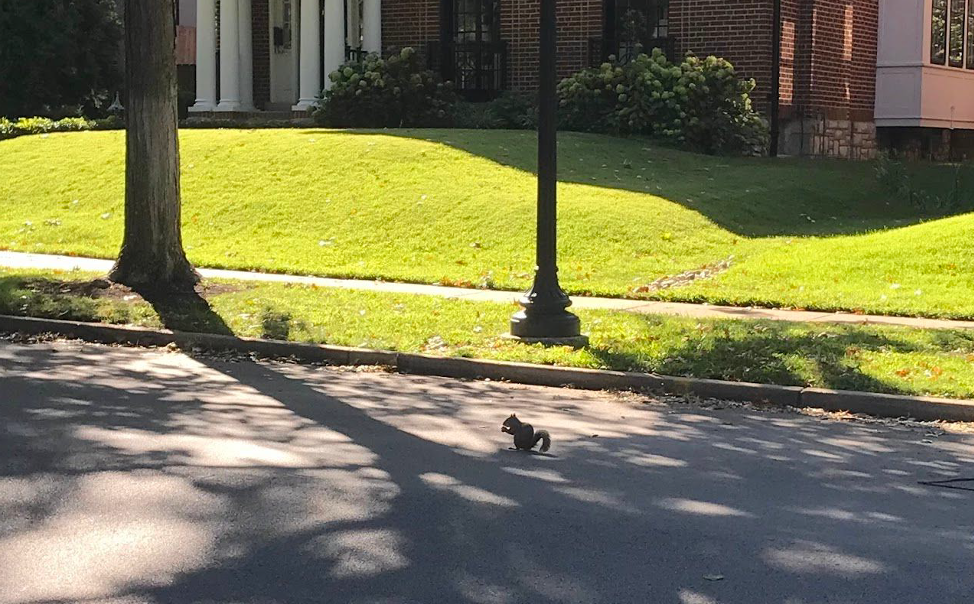
Eastern Gray Squirrel Behavior in Urban Environments
Urbanization can significantly alter environments in ways that impact abundance and behavior of urban animals. Fewer natural predators and greater food availability – as…
-
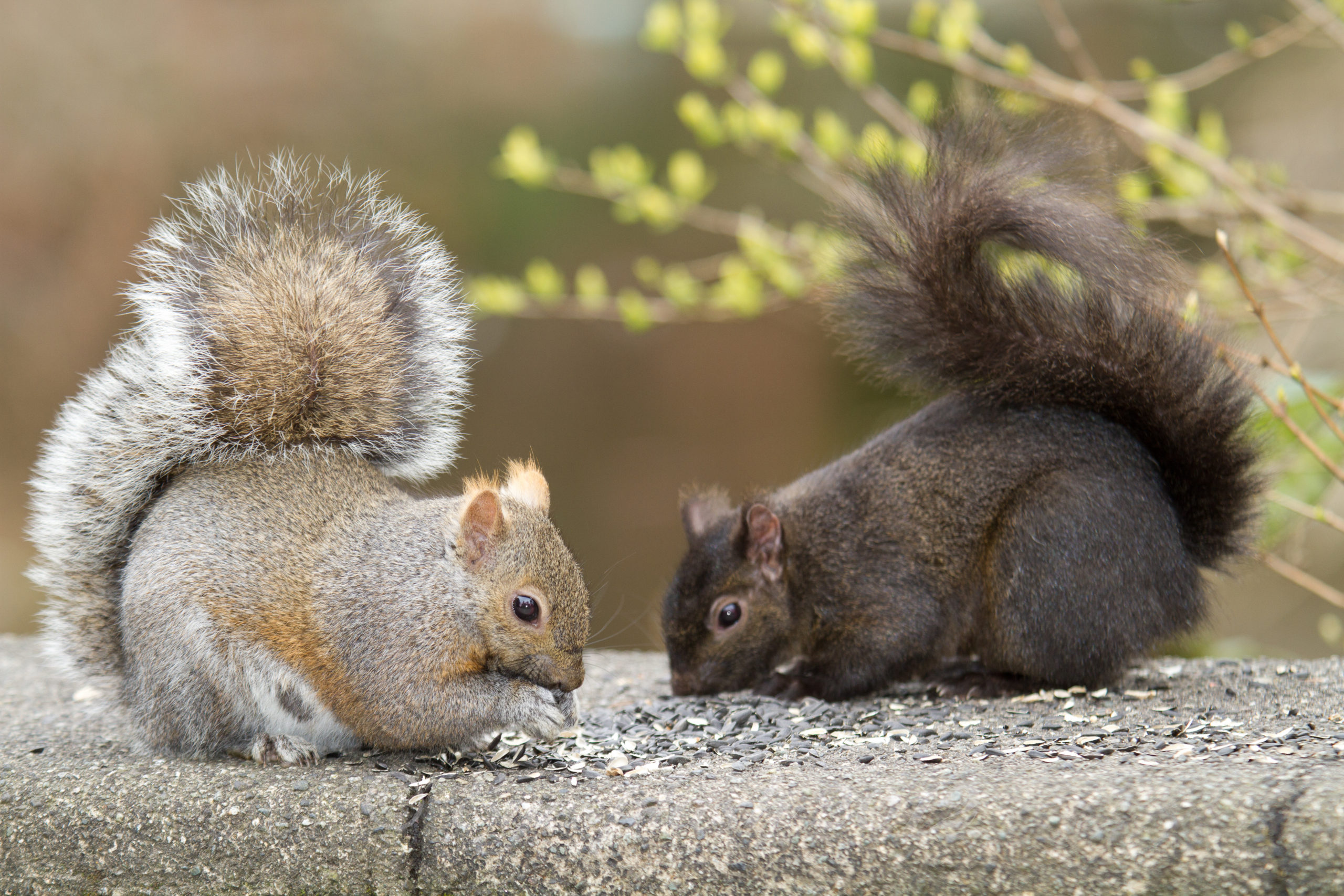
Natural Selection Favors Black Morph of Eastern Gray Squirrel in Cities
Eastern Gray Squirrels, Sciurus carolinensis, are some of the most visible and well-known urban animals in the Northeastern United States. Prior to European settlement of…
-
How to Catch Squirrels in Cities
Urban fieldwork is its own beast. Sure, compared to remote sites you might have regular access to bathrooms and food but there are different…
-
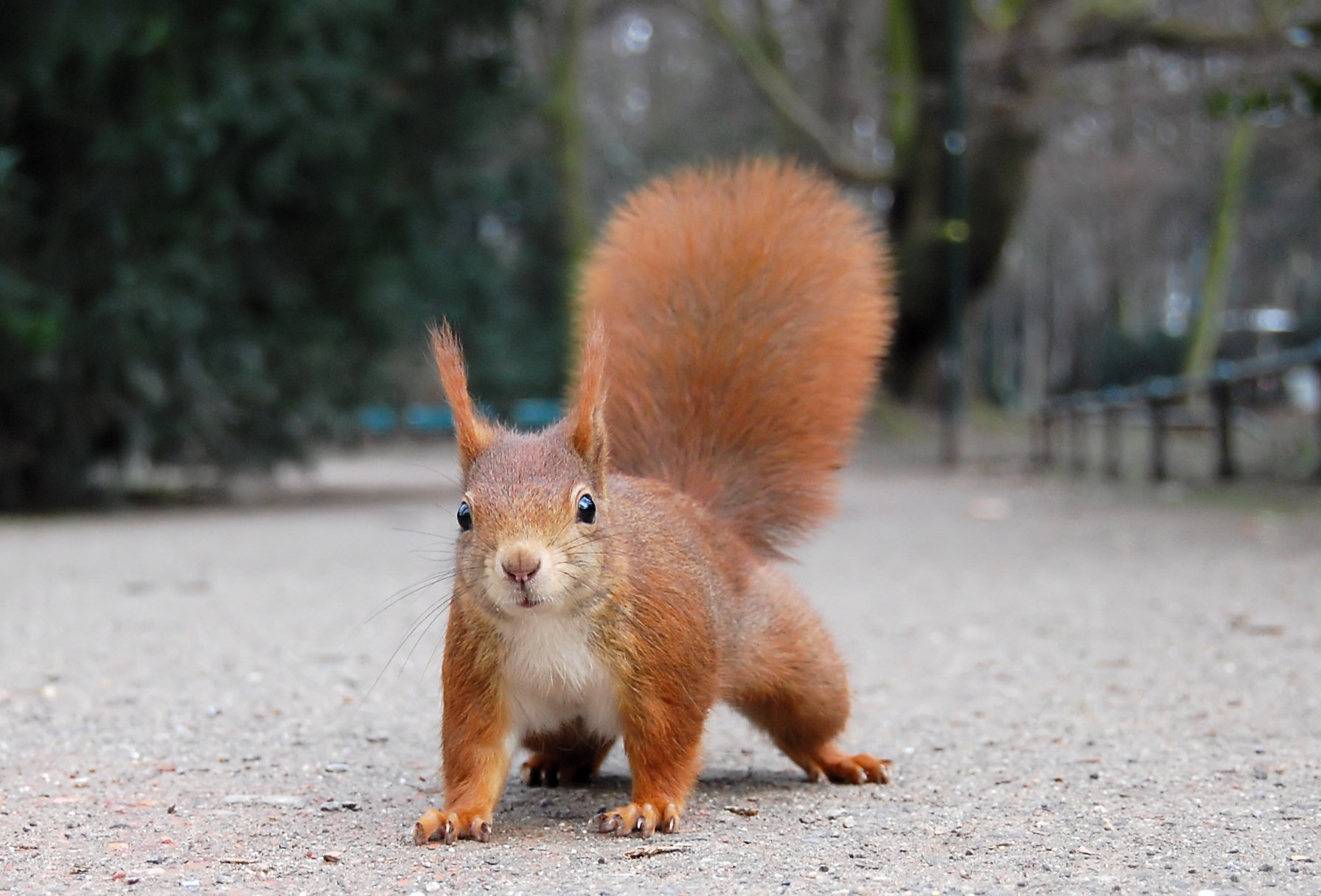
What Do FID Studies Really Tell Us About Boldness?
A common behavioral trend observed in urban animals is that they tend to be bolder compared to their rural counterparts. This behavioral shift can…
-
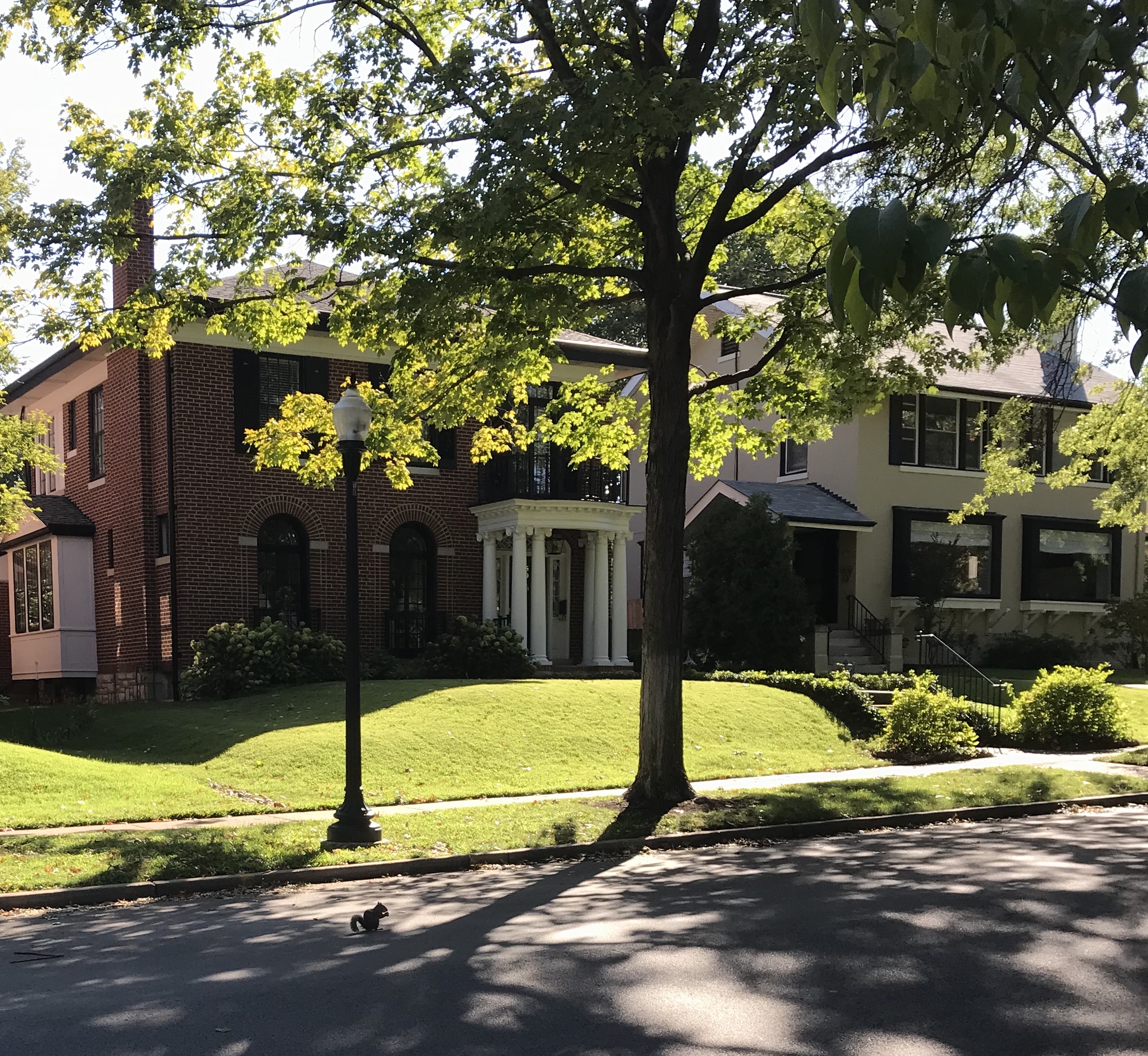
Why Did the Squirrel Cross the Road?
In cities the number and types of predators drastically differ from nearby rural and “natural” areas. This often means that the biggest threat prey…