

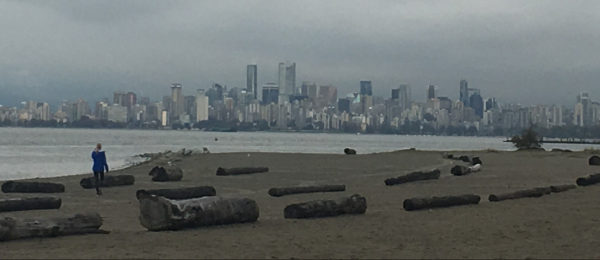
As a scientist that works in the field of urban evolution I often have to consider, “what makes an urban habitat?” While this seems like a fairly easy question to answer, there’s actually a lot of different ways that we consider urban habitats.
Are neighborhood parks considered urban habitat?

Technically, yes they are urban, they are found right in the middle of the city. But take a close look and this park has different features than the car lot down the street. In fact, urban parks, right in the middle of the park, can look more like the natural habitat than human built structures. So would you consider urban parks as non-urban habitat or urban?
Some of the most common ways to identify an urban habitat is to ask yourself, do people live there?
Yes! Great, but how urban is it?

We’ve got a few ways to measure this like looking at the percent impervious surface, where higher percentages are more urban because they have more concrete and asphalt. We can look at human population density as a measure as well, which starts to get a little dicey when you are looking at metropolitan areas vs single cities. Sometimes we look at canopy cover measures, which are typically lower in the city because we have replaced trees with buildings. This measure is great, but when you live in the desert, you might actually get more trees in the suburbs than non-urban areas because people plant in their yards. There’s so many factors to consider that make urban habitats!

Let us know in the comments what you consider to be urban habitat!


Leave a Reply to Marta Szulkin Cancel reply