
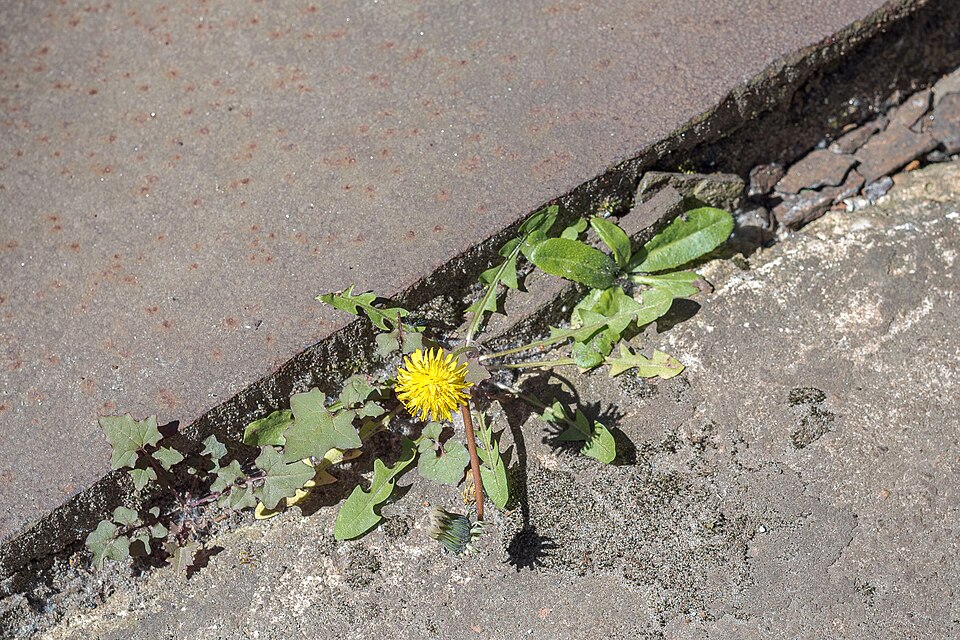
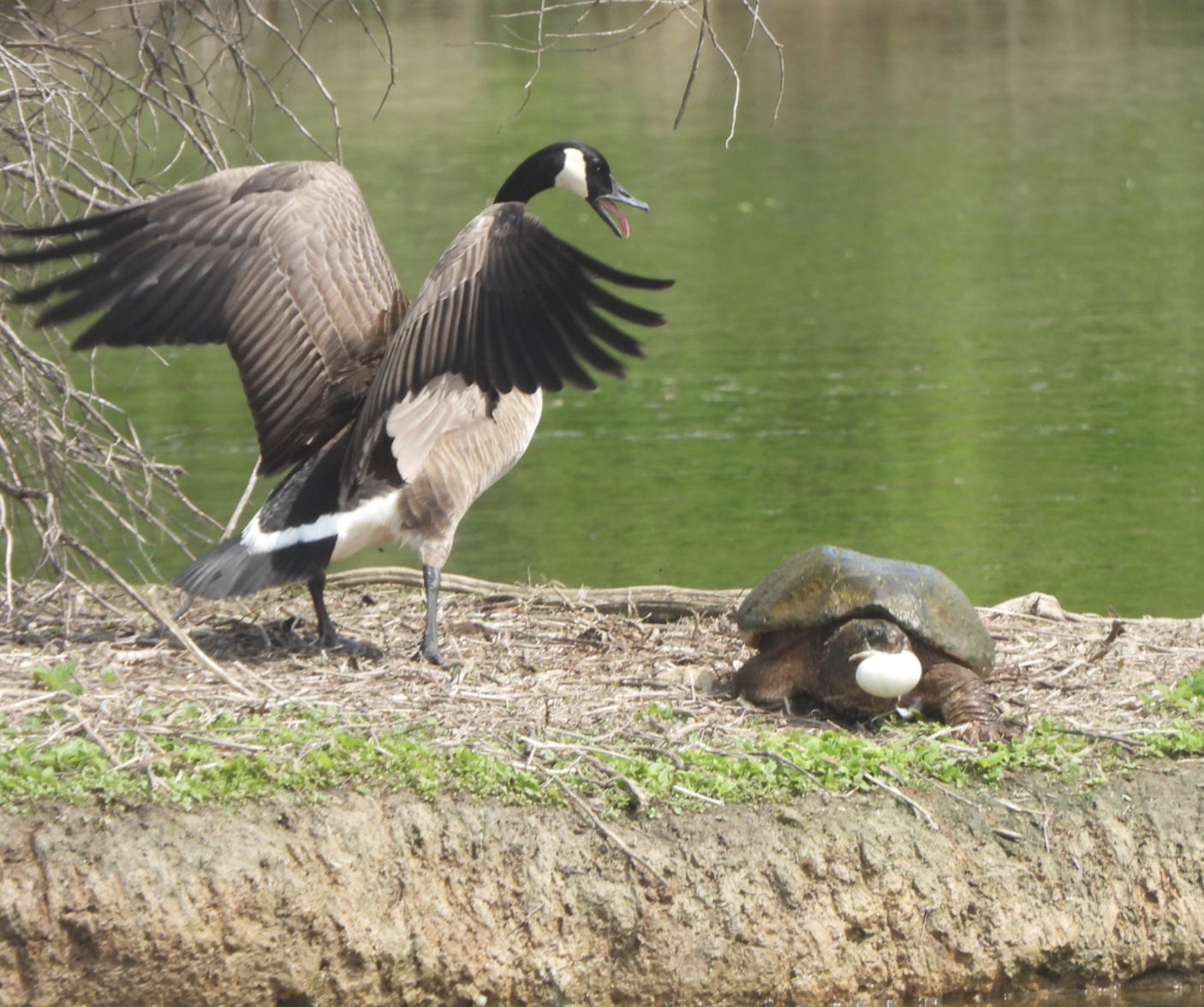
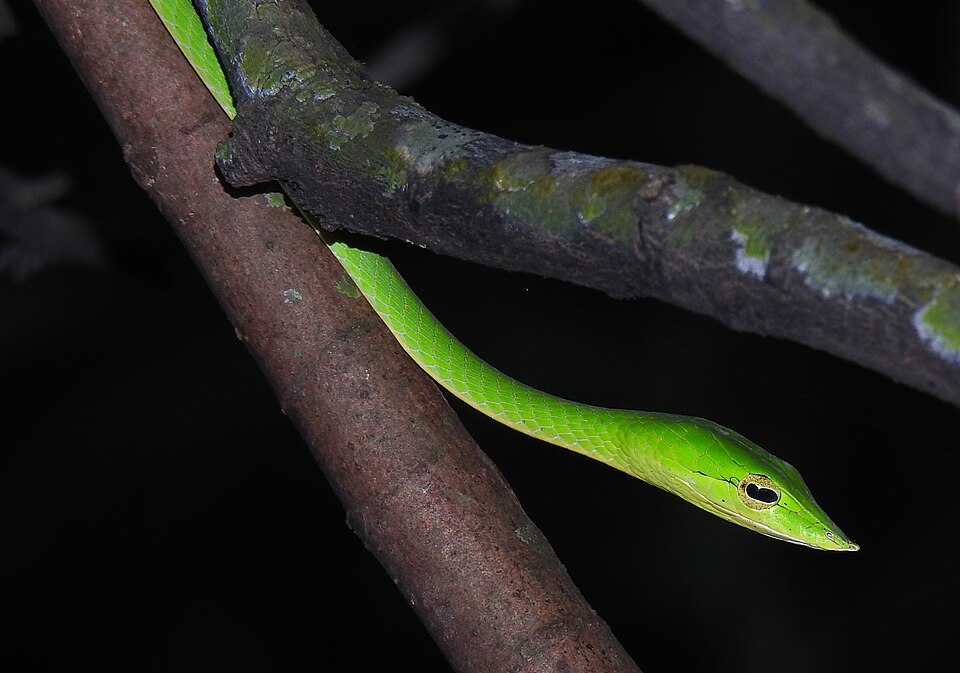
-
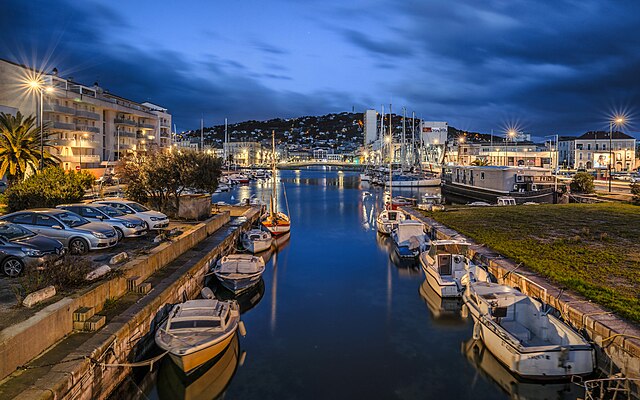
Urbanization and the re-shaping of fish.
Around the globe we see an increase of populations living in cities, making urban environments the fastest growing ecosystem on the planet. Urbanization is a global phenomenon that has been increasing at an accelerating rate, altering both terrestrial and aquatic…
-
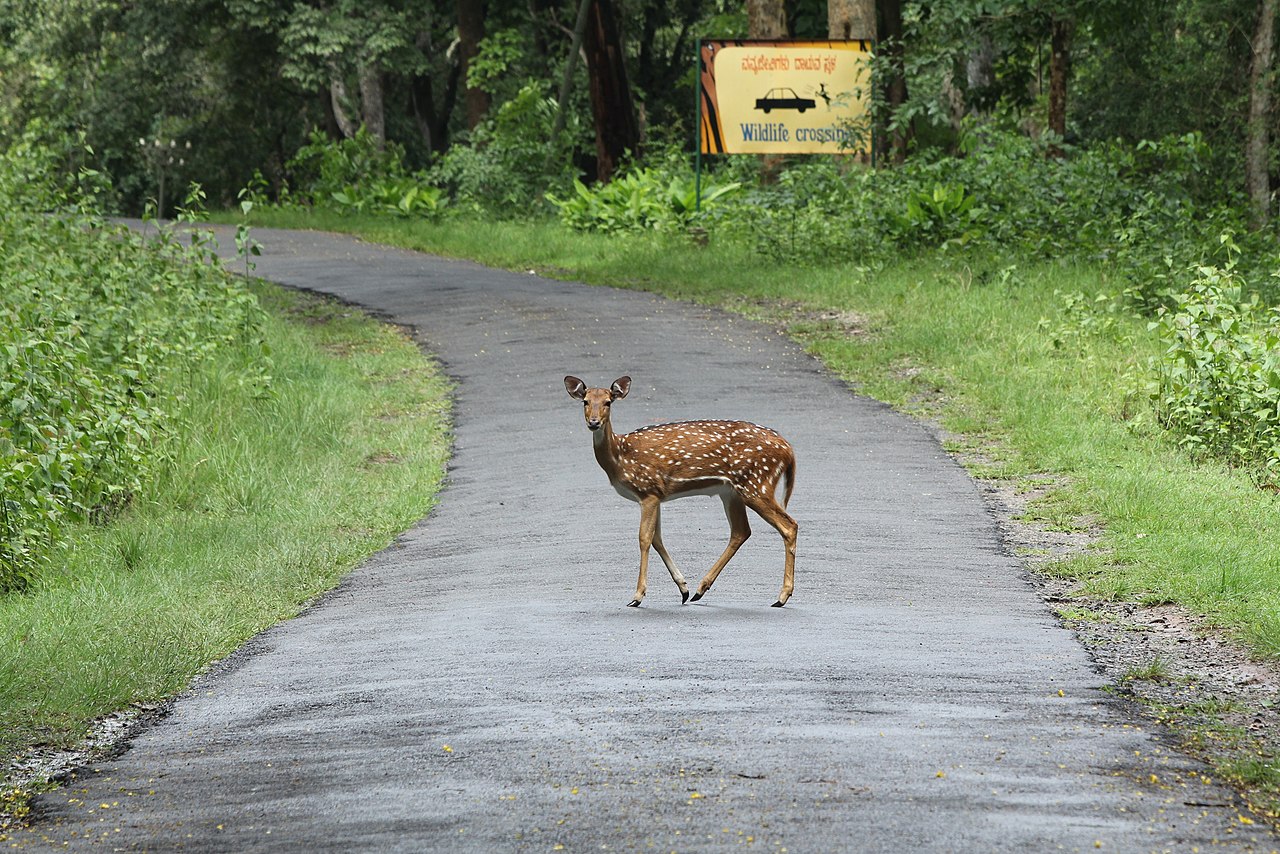
Death and Opportunity: The Hidden World Behind (Urban) Road Systems
Spotting roadkill while driving evokes sadness for many people. Imagine how intimidating our roads must feel for most animals: long concrete lines with strange metal boxes five times your size, moving faster than anything you have ever seen and producing…
-
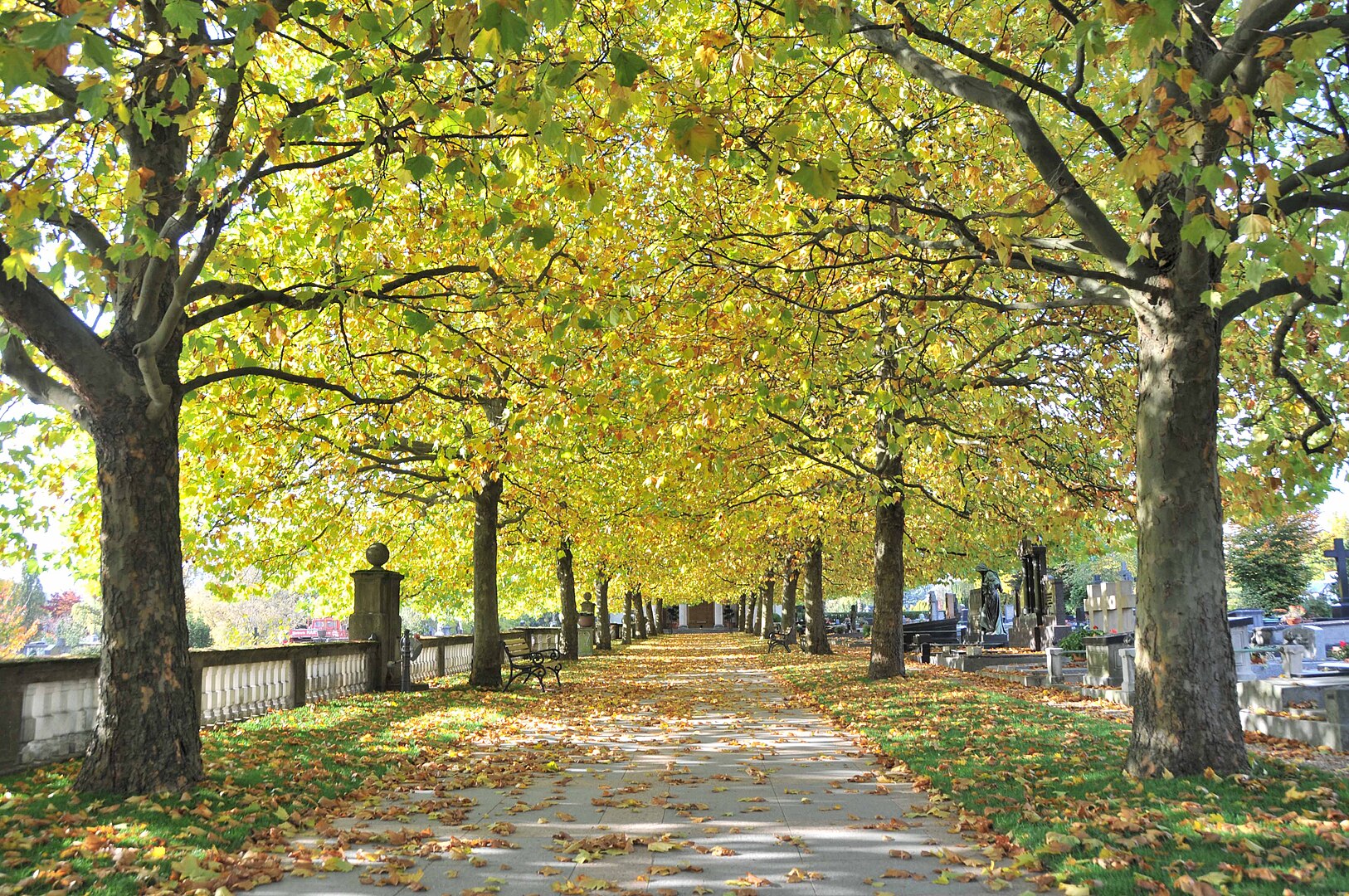
Beyond the Shade: The Growing Disadvantages of the London Plane
When I was younger, I remember thinking to myself: “This tree is losing its skin, is it dying?” I believe I can’t be the only child that thought this when first looking at a London plane. Little did I (and…
-
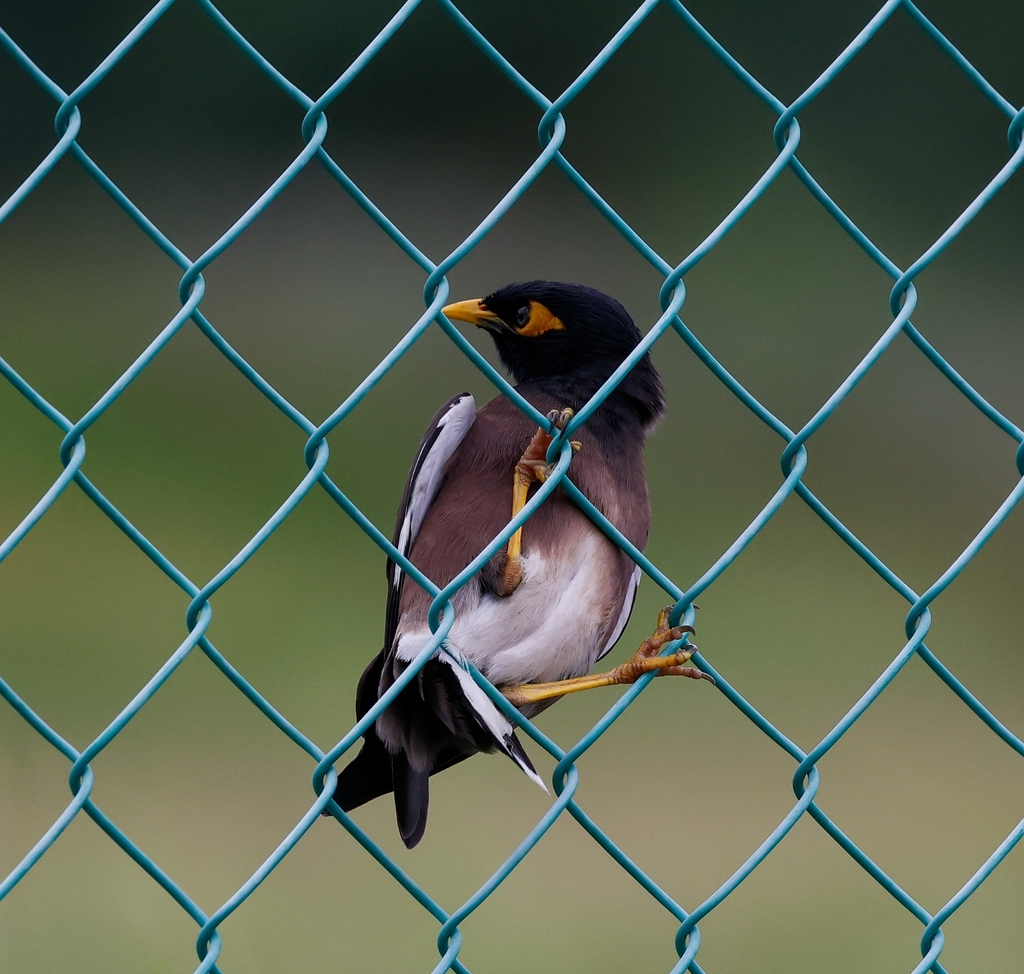
How do we make birds feel more at home?
Cover photo: Birds on a lantern post (Source: Business Insider) Taking a walk through the busy streets of the city, life appears to all around us. Bikers briskly pass you by, drivers honk loudly and hundreds of people walk around…
-
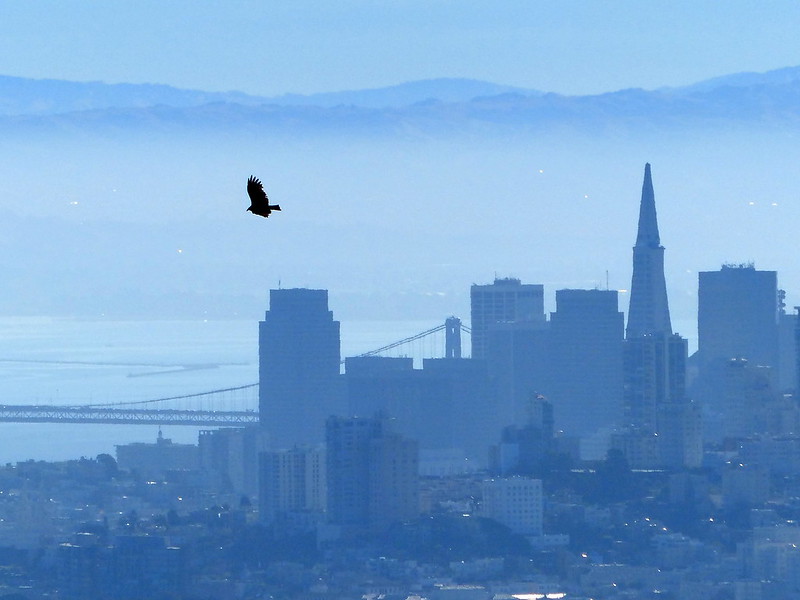
A concrete hunting ground: a new environment for raptors
Within cities, the number of trophic levels present in the community can change when animals migrate there. Smaller predators can end up at the top of the trophic chain or a different species, like the domestic cat, becomes the apex…
-
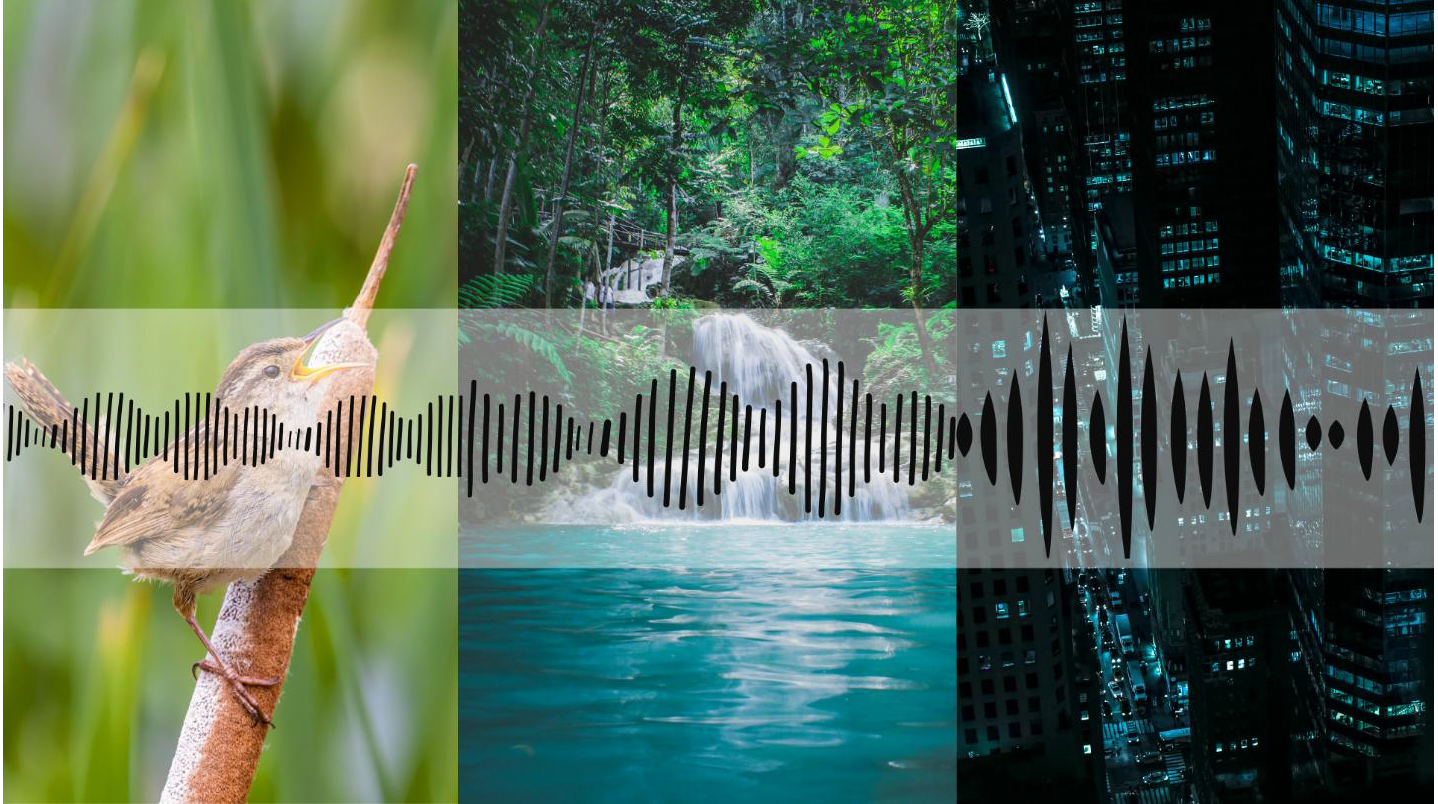
Using Soundscapes to Monitor Urban Diversity
Using soundscapes to monitor urban diversity by Shade Walker Daily sounds of local traffic, the coffee machine pouring, conversations over breakfast, and morning birdsong, are all familiar to us, signaling the start of a new day. As sound waves pulse…
-
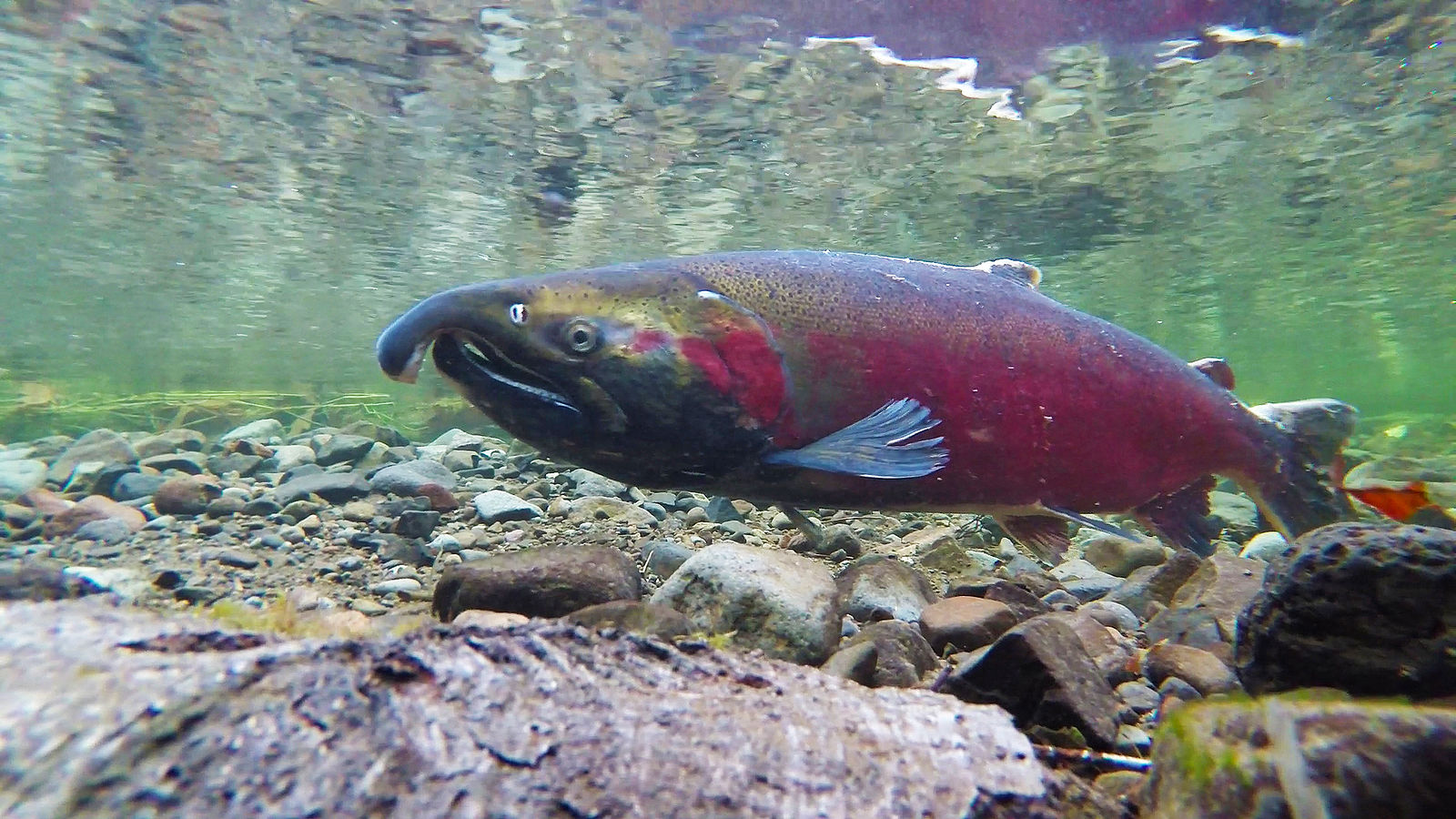
The urban curse on Coho salmon
Lets perform a small thought-experiment: what are the first three things you think about when you hear the term urbanization? I would guess people would give answers akin to stone houses, big cities, paved roads and a decrease in greenery.…
-
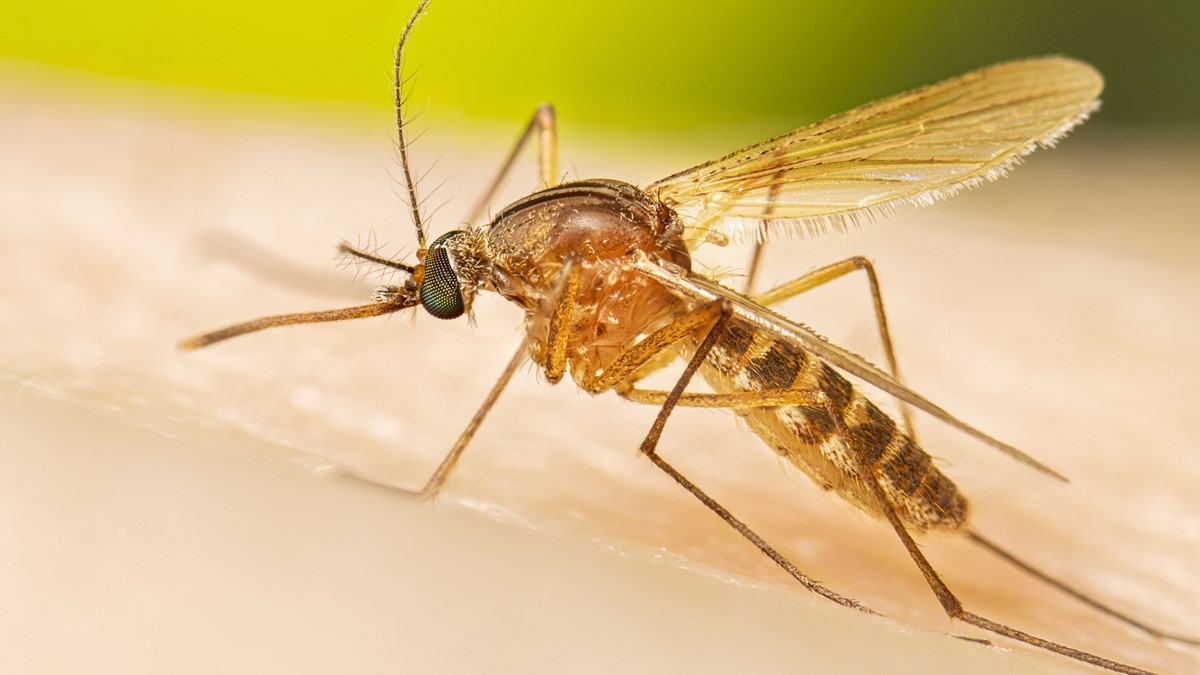
‘Our neighbours suck!’
The Earth is surely heating up, and so are our cities. The concrete structures that surround us in our daily lives quickly raise temperatures in the cities up until 15 degrees Celsius higher than surrounding rural areas (Mentaschi, 2022). One…
Latest Posts


Latest Comments
adaptation ALAN anole anoles anolis Australia behavior biodiversity bird birds city conference conservation diet ecology Evol2019 evolution Evolution 2019 FID fieldwork gene flow herpetology International Urban Wildlife Conference invasive species IUWC2019 lizard mammals morphology NYC physiology pigeons plants plasticity pollution SICB thermal urban urban birds Urban ecology urban evolution urban heat island urbanization urban observation urban wildlife wildlife