
-

What Is The Impact of ALAN On Nocturnal Pollination By Moths?
Pollination is a fundamental ecological process that supports biodiversity and sustains economies through crop pollination. About 80% of wild plant species rely on insect pollination for seed set and fruit. Additionally, about 75% of crops used for human food rely…
-

Lichens versus Urban Traffic
In my previous blog post I wrote about the beauty and uses of lichens in the city, and I mentioned their use as indicators for pollution. In this post I want to go a little deeper into their interactions with…
-

From Threat to Shelter: How Birds Repurpose Anti-Bird Spikes
Cities are becoming more and more grey, with less and less living biomass. The consequence is that there is not enough natural nesting material available for the urban birds. These birds adapt to use alternative anthropogenic nesting materials. Examples include…
-
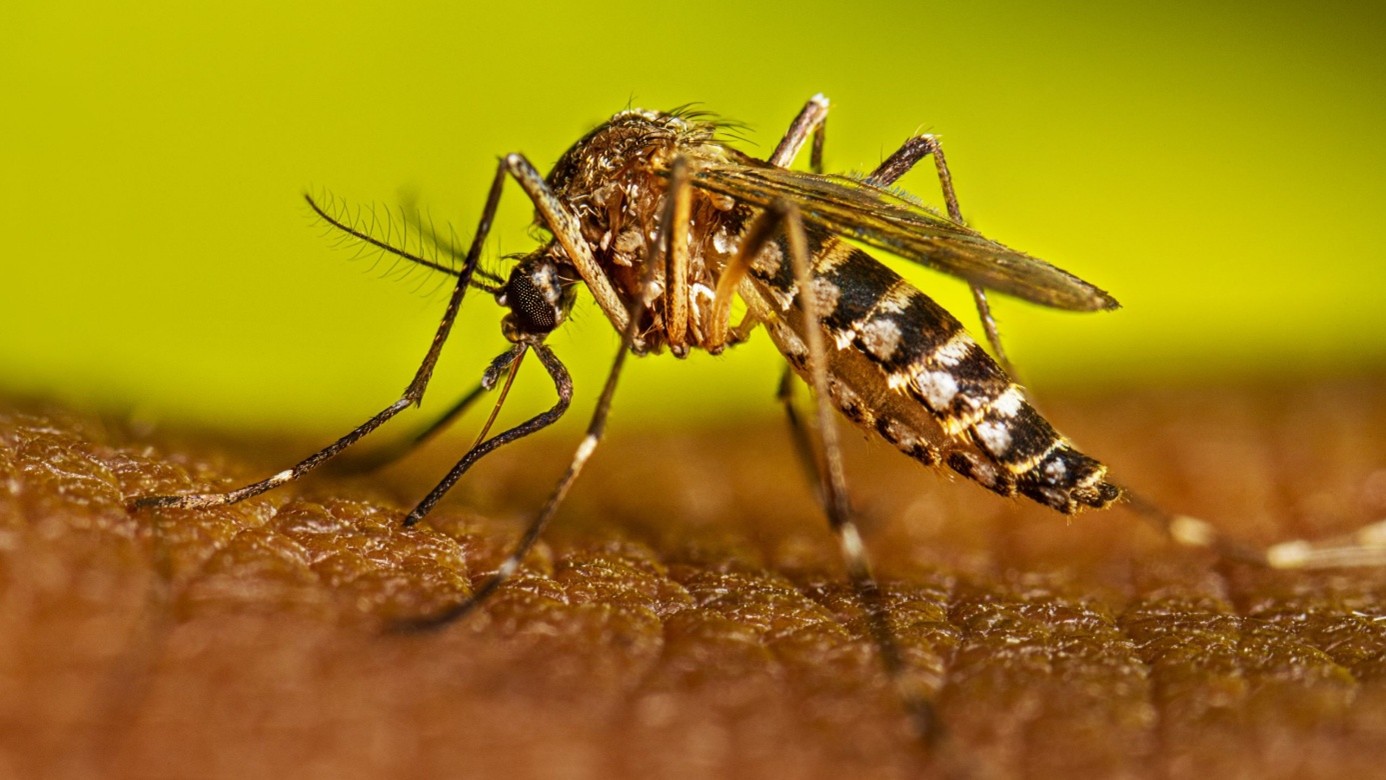
BZZZZZzzzZZZ Oh No Mosquito! Urban Vector-Borne Disease Ecology
It is definitely that time of year again: insects and other invertebrates seem to spawn from every nook and cranny. We see snails feasting on freshly emerged leaves, earthworms being snatched away by hungry and breeding birds and flies scouting…
-
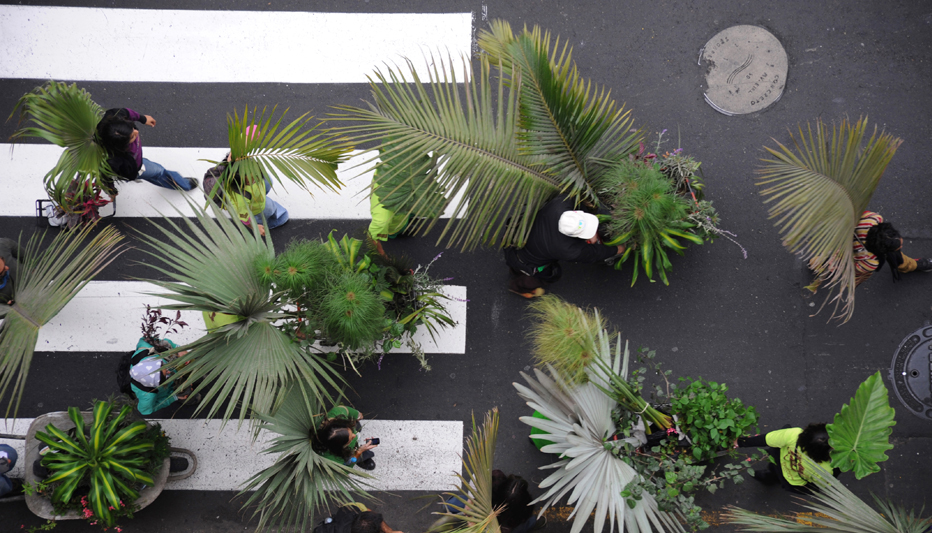
Ecological Art and Nature-based Solutions Come Together in Battle Against Urbanization
The world has become increasingly urbanised in recent decades and cities are still expanding at fast rates all across the world. This urbanization and evolution of cities has numerous major environmental consequences, such as climate change or biodiversity loss due…
-
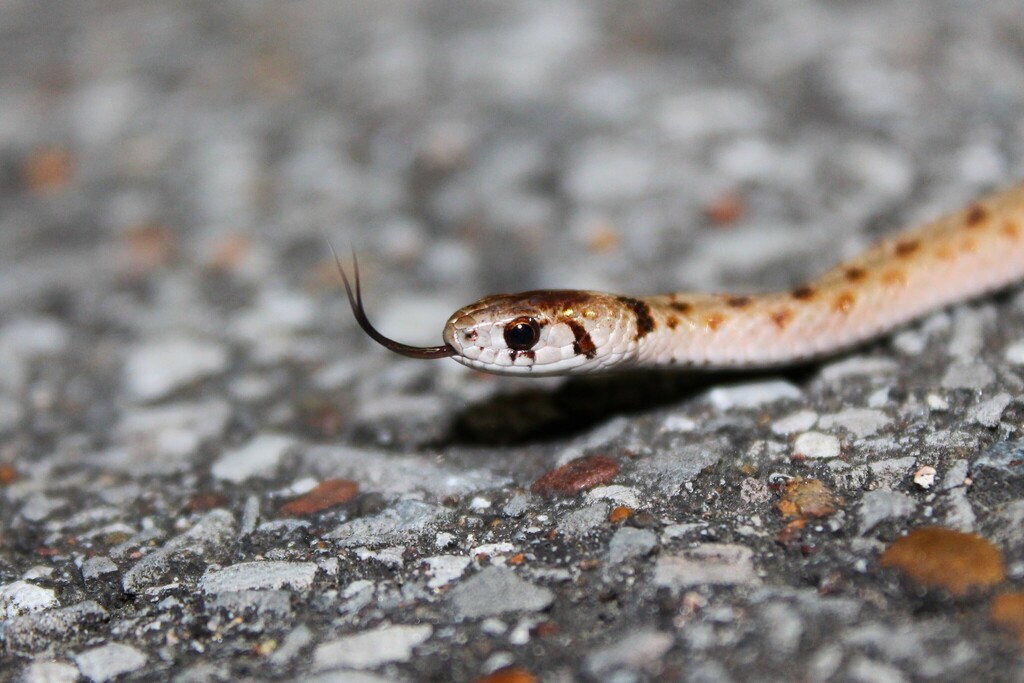
New Lit Alert: Interpopulation morphological differences and sexual dimorphism of Dekay’s brownsnake (Storeria dekayi) along a rural–urban gradient
Interpopulation morphological differences and sexual dimorphism of Dekay’s brownsnake (Storeria dekayi) along a rural–urban gradient Tianqi Huang, Peter J. Morin, & Sara Ruane Abstract In response to the surge of urbanization in the modern era, many organisms have undergone various changes, such as the shift…
-
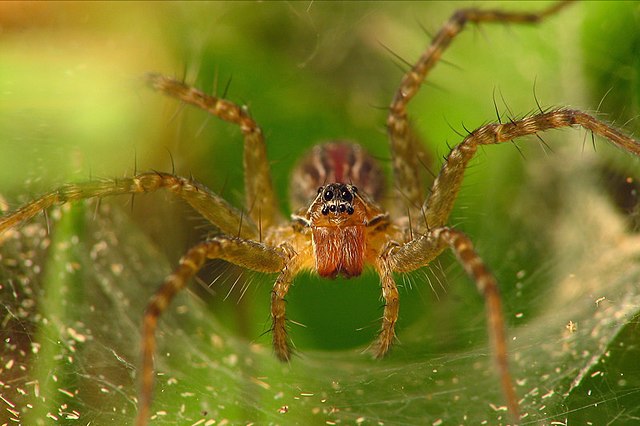
The Urban Spider Survival Guide
An introduction to the city spider Spiders are the most diverse and abundant terrestrial predators on earth. This group of species is, in turn, a crucial contributor to the earth’s ecosystems as we know them: they control insect populations directly,…
-
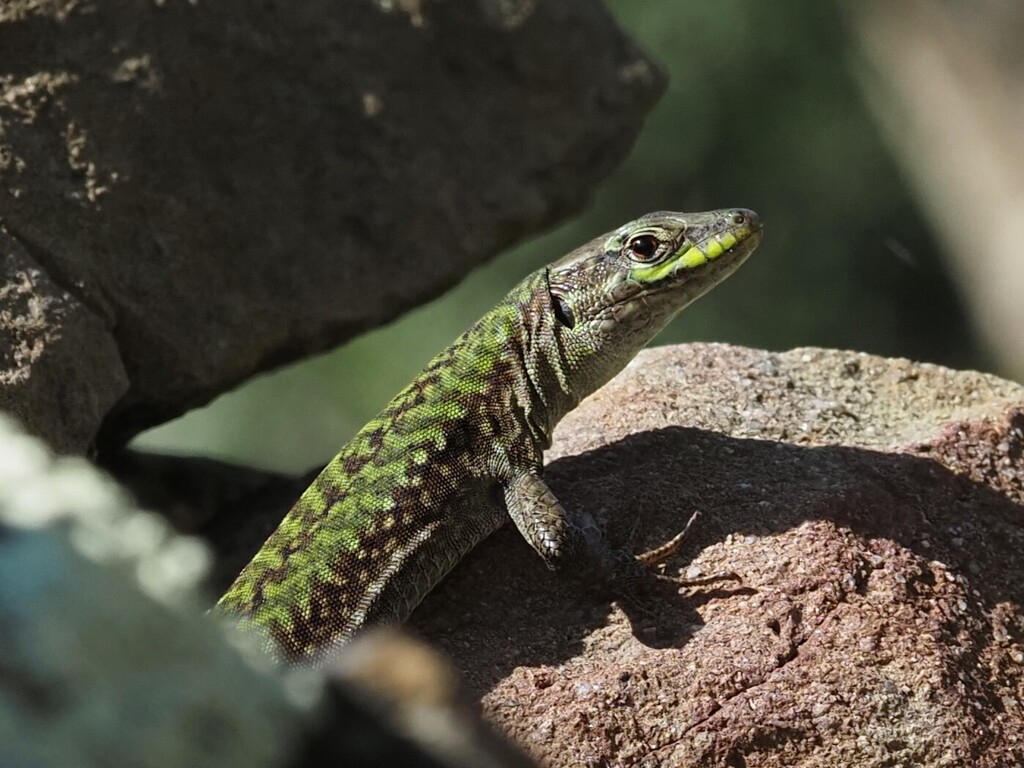
New Lit Alert: Sex-specific morphological shifts across space and time in replicate urban wall lizard introductions
Sex-specific morphological shifts across space and time in replicate urban wall lizard introductions Eric J Gangloff, Anusha P Bishop, Alyssa Head, Gregory B Pauly, Constant Perry, Princeton L Vaughn, Kristin M Winchell, and Kinsey M Brock Abstract As species move into new environments through founder events, their…
Latest Posts
Latest Comments
adaptation ALAN anole anoles anolis Australia behavior biodiversity bird birds city conference conservation diet ecology Evol2019 evolution Evolution 2019 FID fieldwork gene flow herpetology International Urban Wildlife Conference invasive species IUWC2019 lizard mammals morphology NYC physiology pigeons plants plasticity pollution SICB thermal urban urban birds Urban ecology urban evolution urban heat island urbanization urban observation urban wildlife wildlife