
Category: New Research
Blog news (3) Books (2) Citizen Science (21) Conference Proceedings (73) Defining Urbanization (6) Guest Post (10) How To (14) Museums/Natural History Collections (3) Natural History Notes (10) New Lit Abstracts (101) New Research (181) New Research Tools (7) Notes from the field (15) Public Outreach (22) sustainable development (3) Uncategorized (43) Urban Environments (60) Urban Evolution in the Media (12) Urban observations (88) Urban Wildlife (17)
-
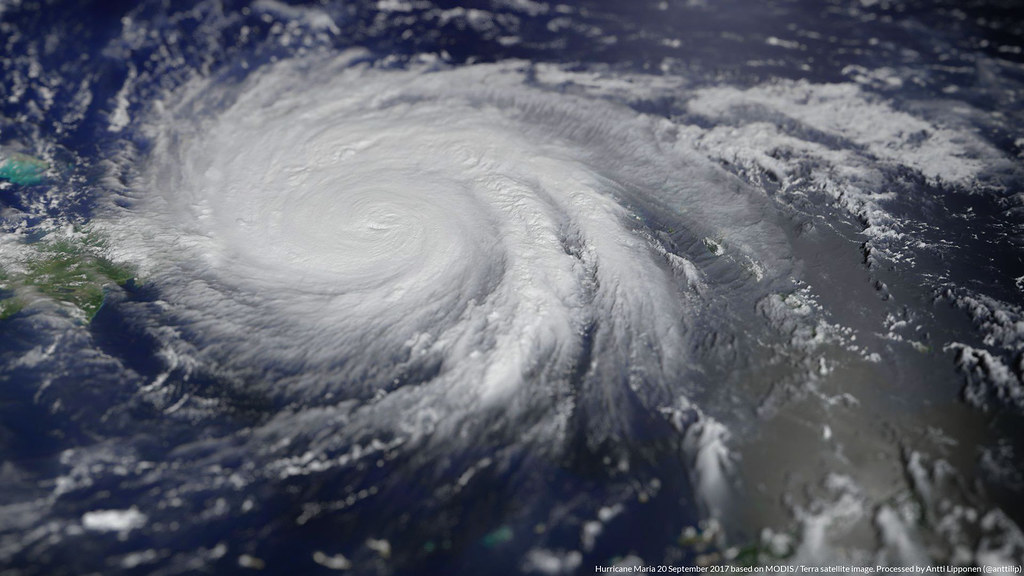
City Lizards Hold Their Footing Against a Category 5 Hurricane
Although species will face the challenges of ongoing urbanization and extreme climate events, we know very little about how these disturbances interact. For example,…
-
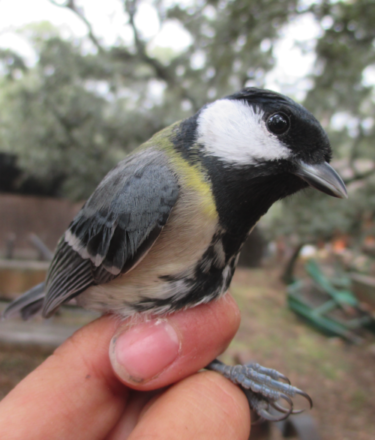
Genomic Urban Adaptation in a Common Bird Across Europe
Cities, defined as large human settlements of the contemporary human population, have been part of the “Old World” landscape for long time, including Europe.…
-
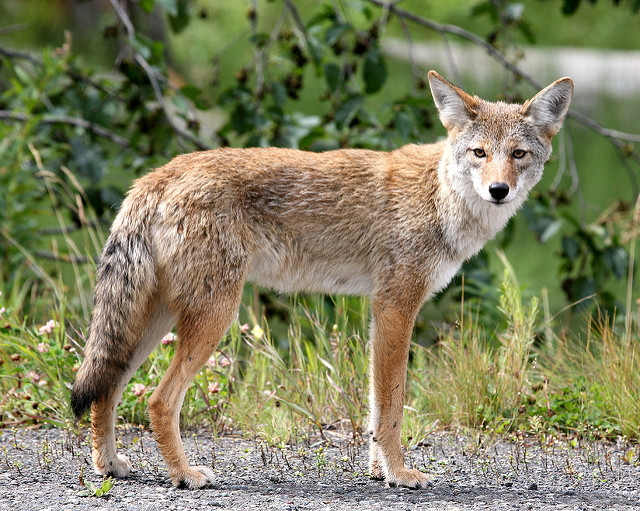
New Research: Early Life Experience Influences Dispersal in Coyotes (Canis latrans)
Coyotes are widespread across North America and are one of few large predators that are found in cities. If you’ve been following our blog,…
-
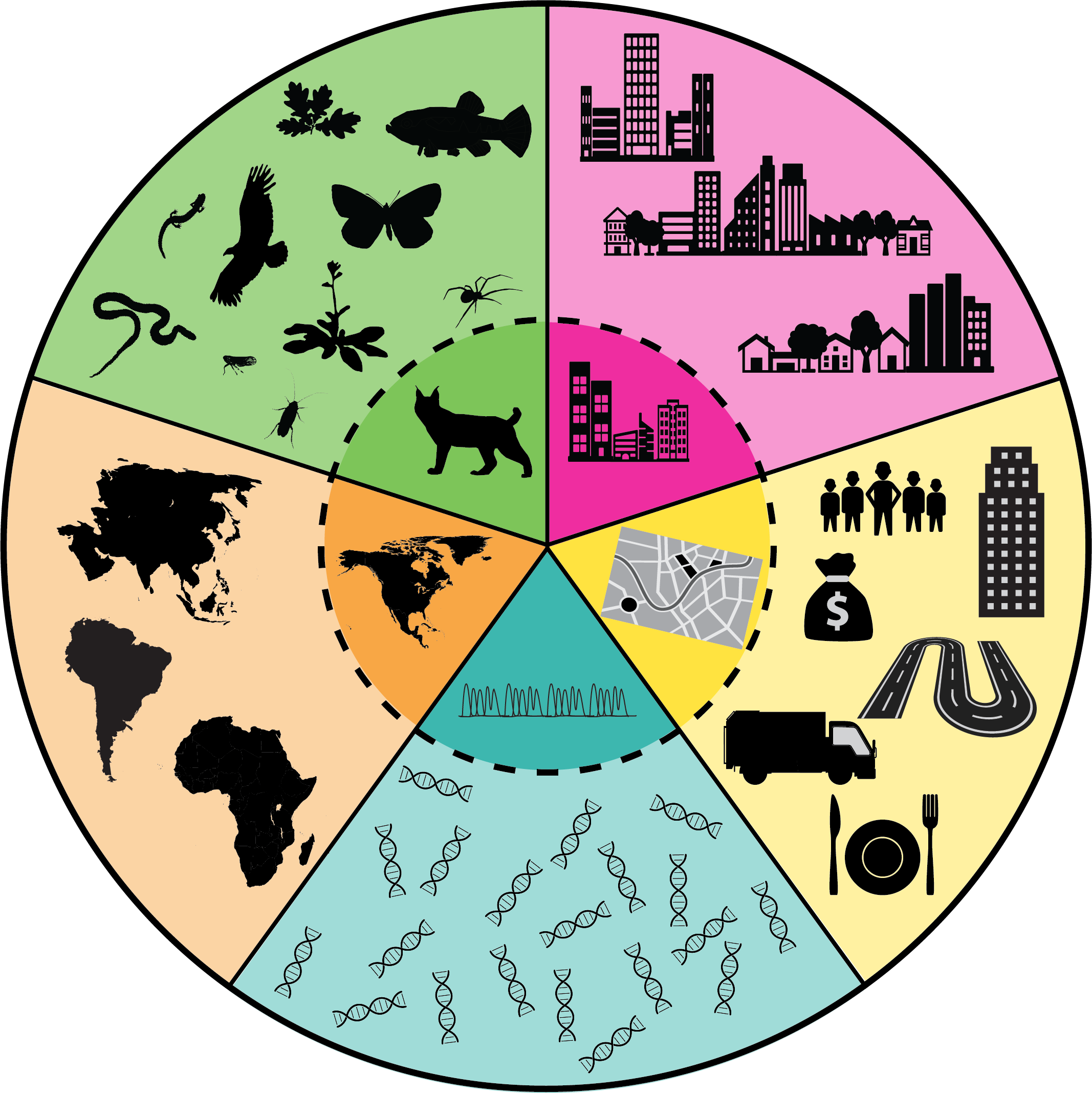
Urban Landscape Genetics: Are Biologists Keeping Up with the Pace of Urbanization?
As we know, the landscape of urban areas is changing rapidly as land is converted from natural to anthropogenic space. Additionally, new technology has…
-
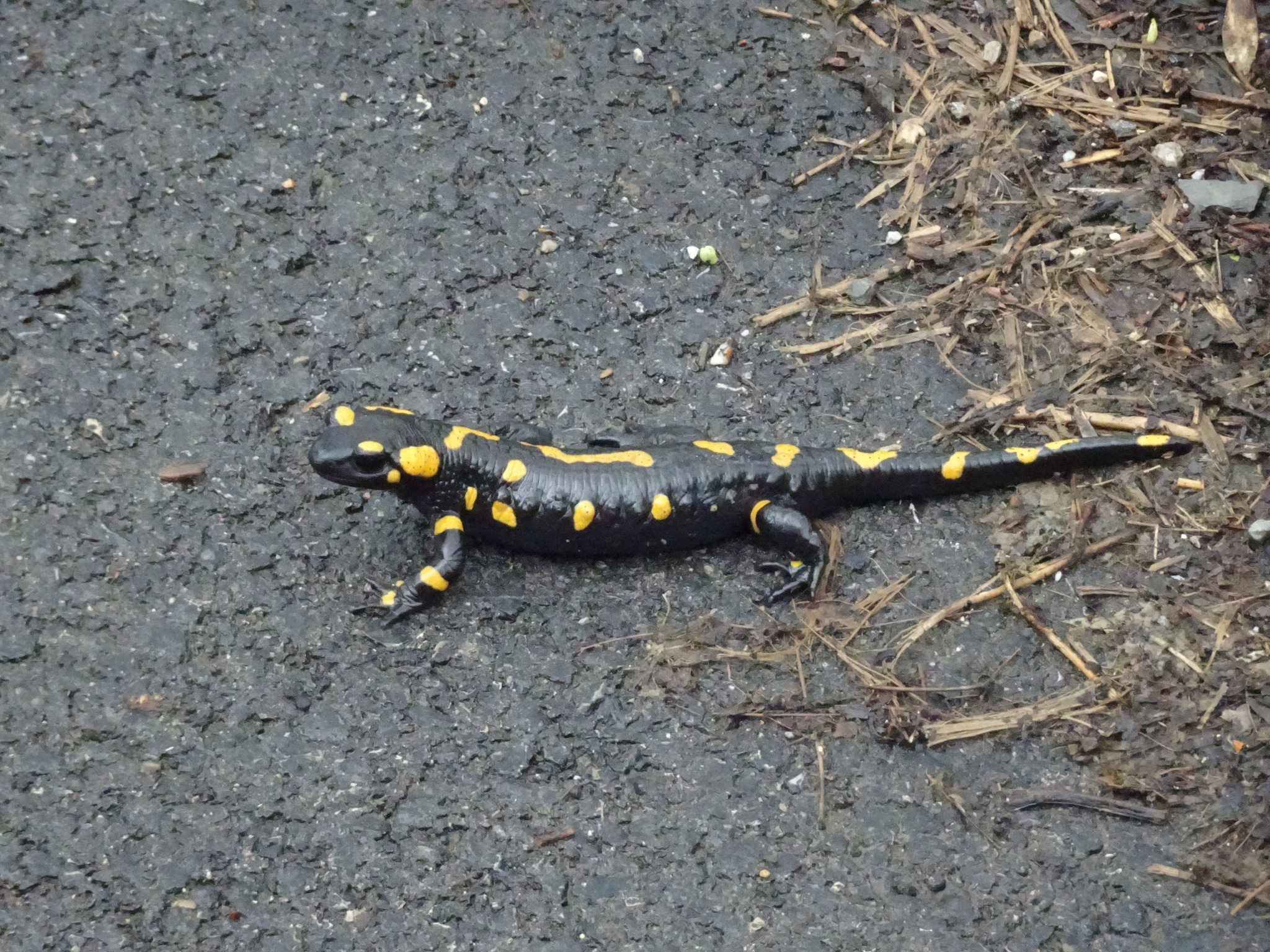
New Lit Alert: Fine scale genetic structure in fire salamanders (Salamandra salamandra) along a rural‑to‑urban gradient
Fine scale genetic structure in fire salamanders (Salamandra salamandra) along a rural‑to‑urban gradient G. Yannic, V. Helfer, R. Sermier, B. R. Schmidt, L. Fumagalli Abstract Delineating population boundaries…
-
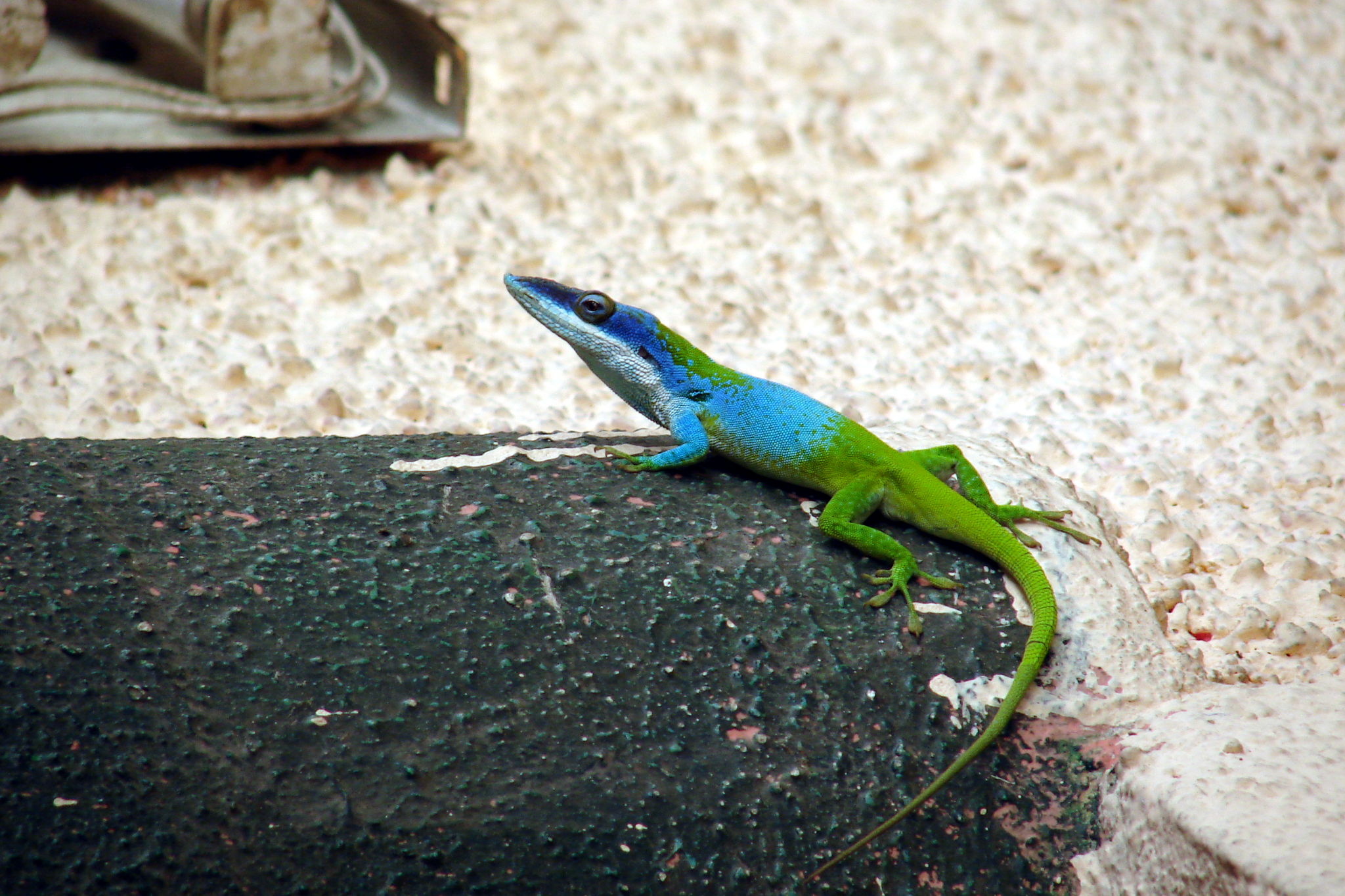
Urban Lizards Like it Hot (and their genes may tell us why)
Cities are hot. Because of the urban heat island effect, urban environments tend to be significantly warmer than nearby non-urban environments. For ectothermic organisms,…
-
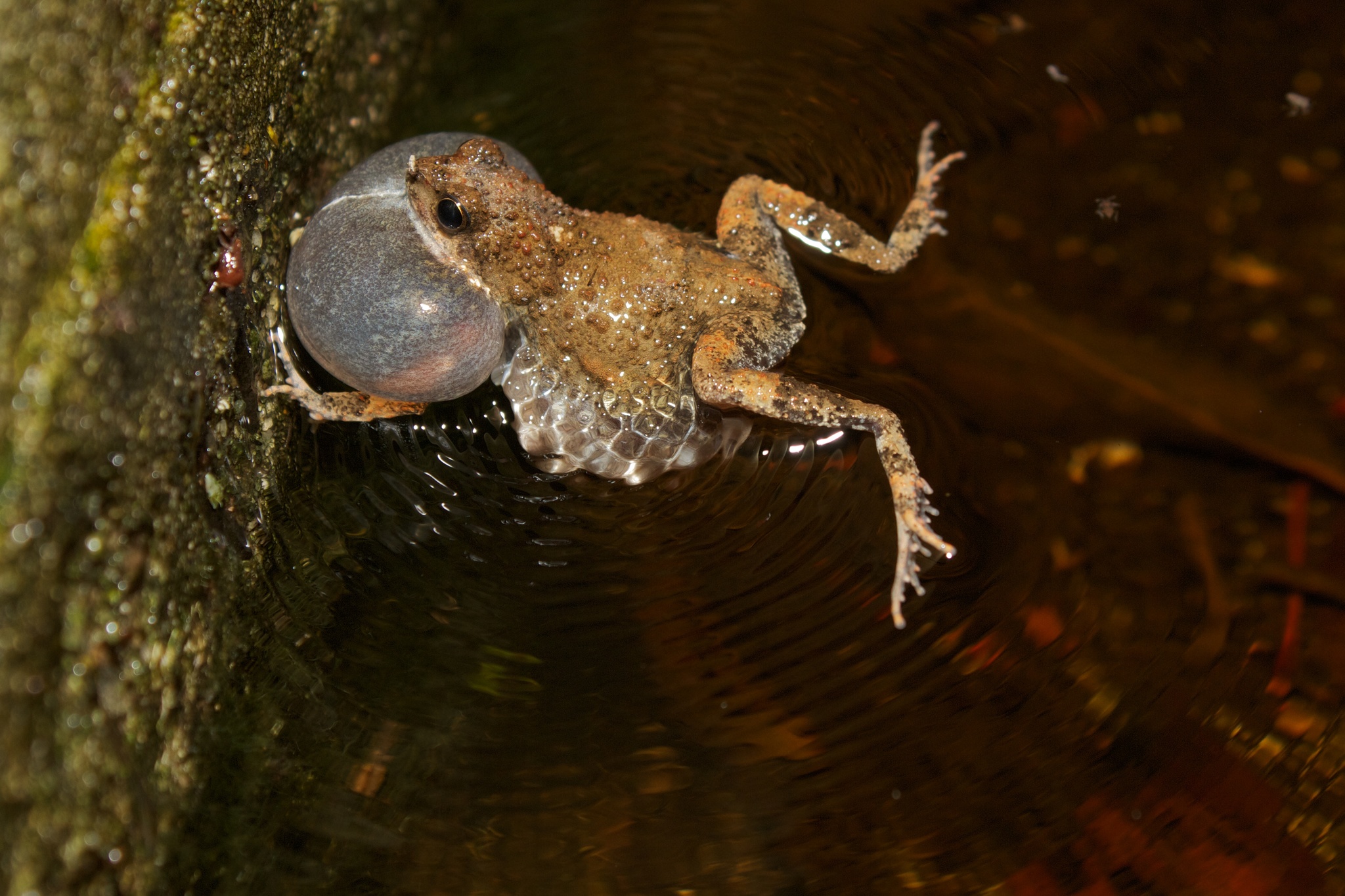
How to Study Urban Speciation
Given the right conditions, life in the city might just lead to speciation. Wouter Halfwerk digs into the potential for and evidence of urban…
-
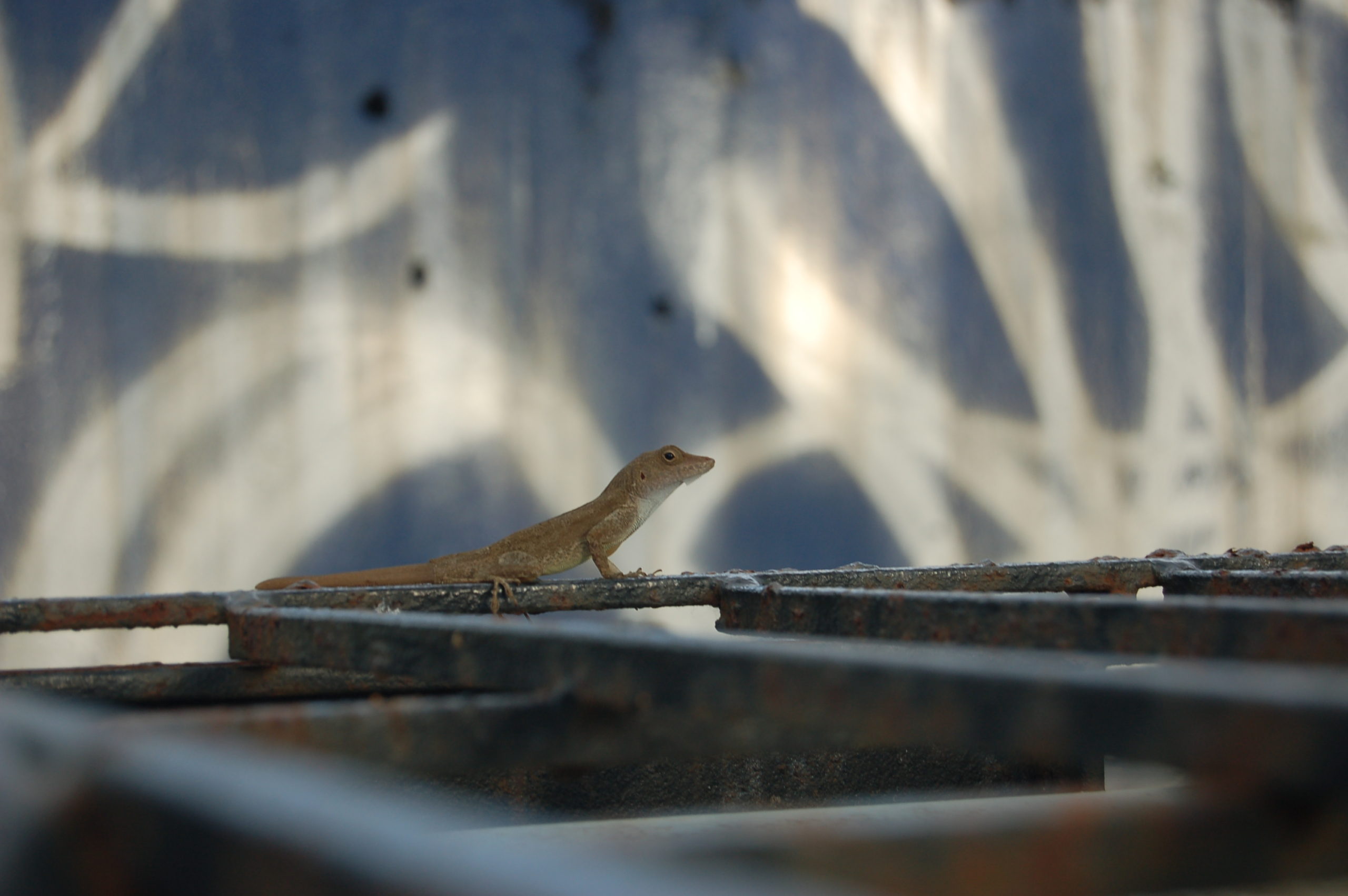
Recap: The Finer Points of Urban Adaptation
In August 2020, I recently published my first first-author paper about urban Anolis lizard claws! I have previously written about my research after doing field…
-
Incorporating Human Society into Urban Ecology
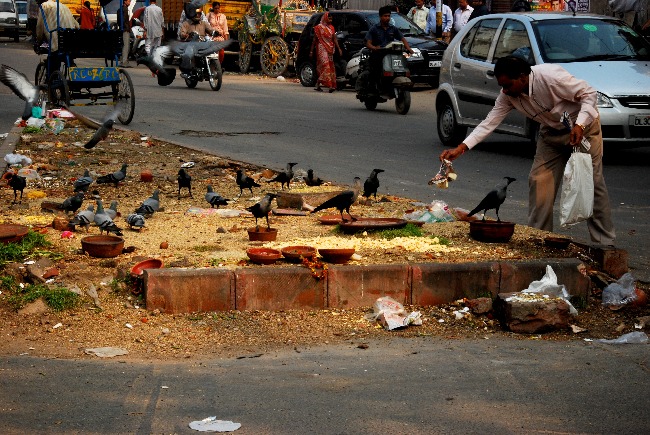
Urban habitats and landscapes are considerably different from their rural and natural counterparts. Rural and natural habitats experience diluted human effects (e.g., disturbance, low…
-
Genomic Analysis Highlights Cognition in Urban Burrowing Owls
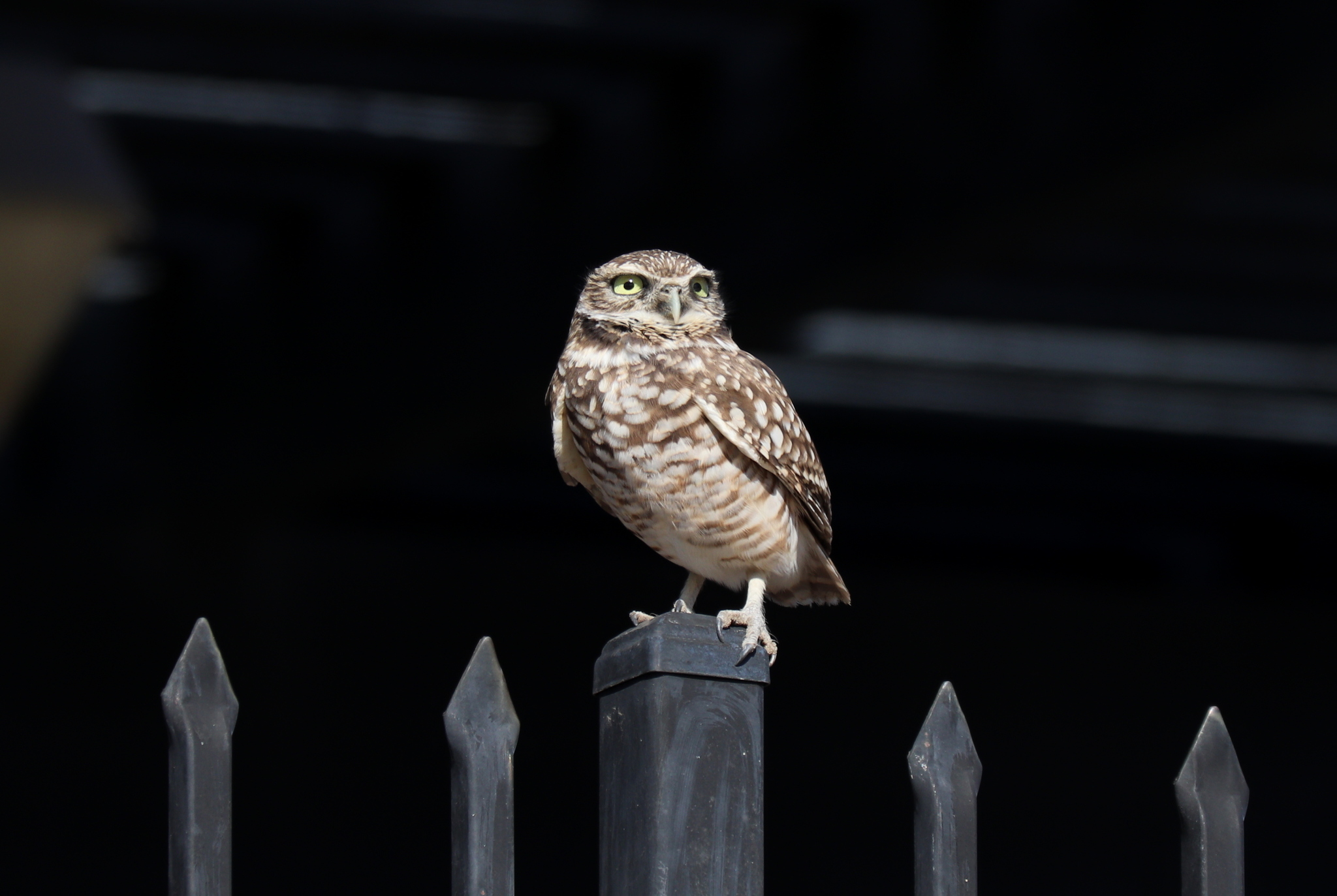
What makes a bird successful in the city? Jakob Mueller and colleagues first attempted to answer this question in blackbirds, finding genomic signatures of…
-
Of City and Village Mice: Behavioural Adjustments of Striped Field Mice to Urban Environments
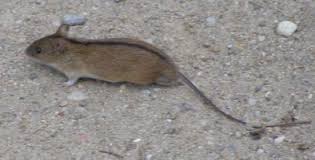
A recent paper in Scientific Reports, “Of city and village mice” by Dammhahn et al (2020), investigated the behavioral responses of striped field mice…
-
Little Urban Dragons
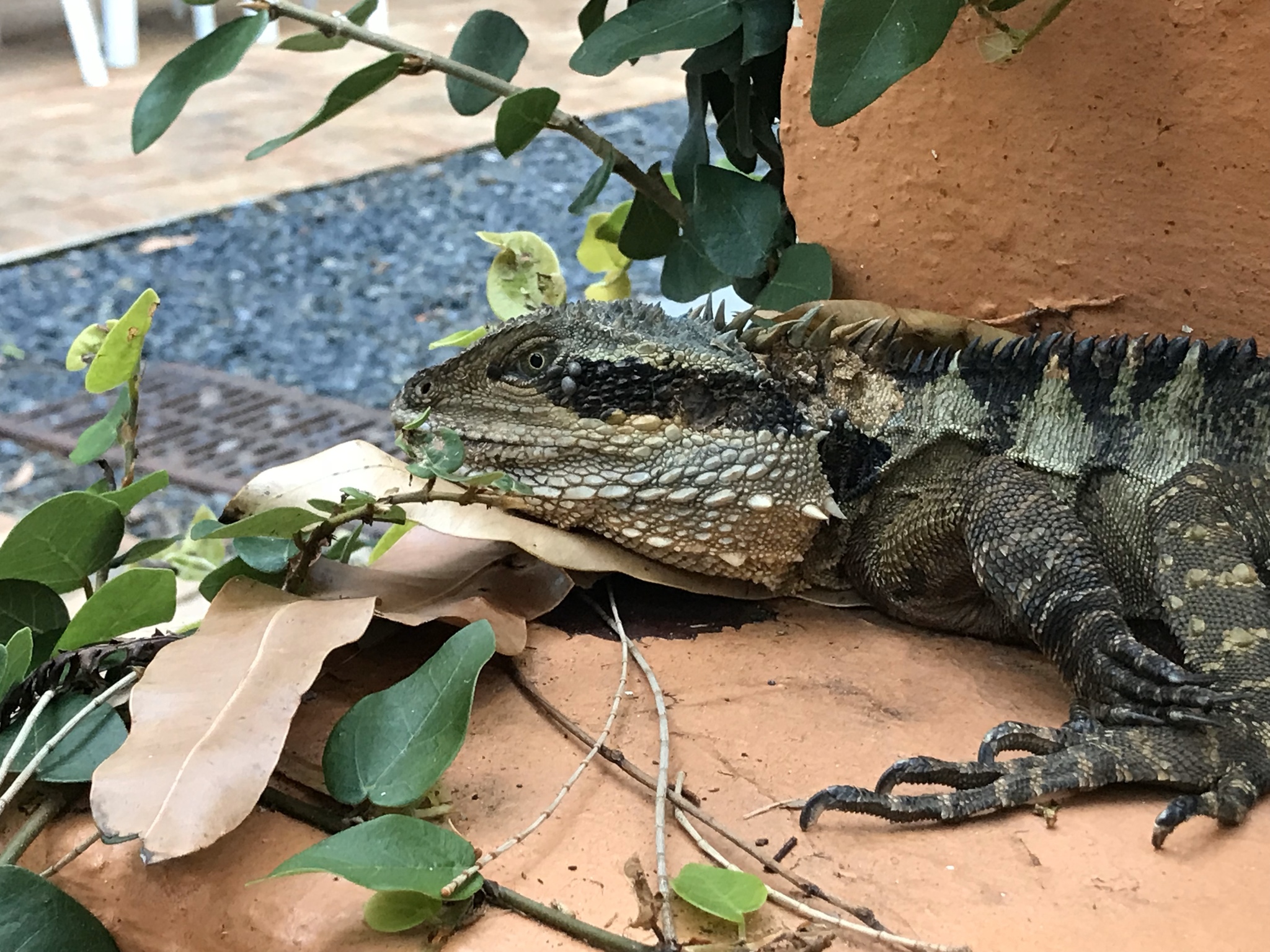
James Baxter-Gilbert and colleagues from down under — Julia Riley and Martin Whiting — have been digging into the ecological and evolutionary responses to urbanization in…
-
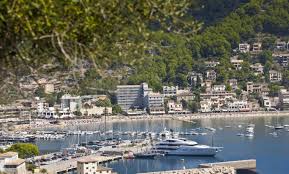
Marine Habitats in Urban Ecosystems
As urban centers continue to grow, so too does the research that investigates how urbanization influences evolution. However, urban marine ecosystems are often overlooked.…
-
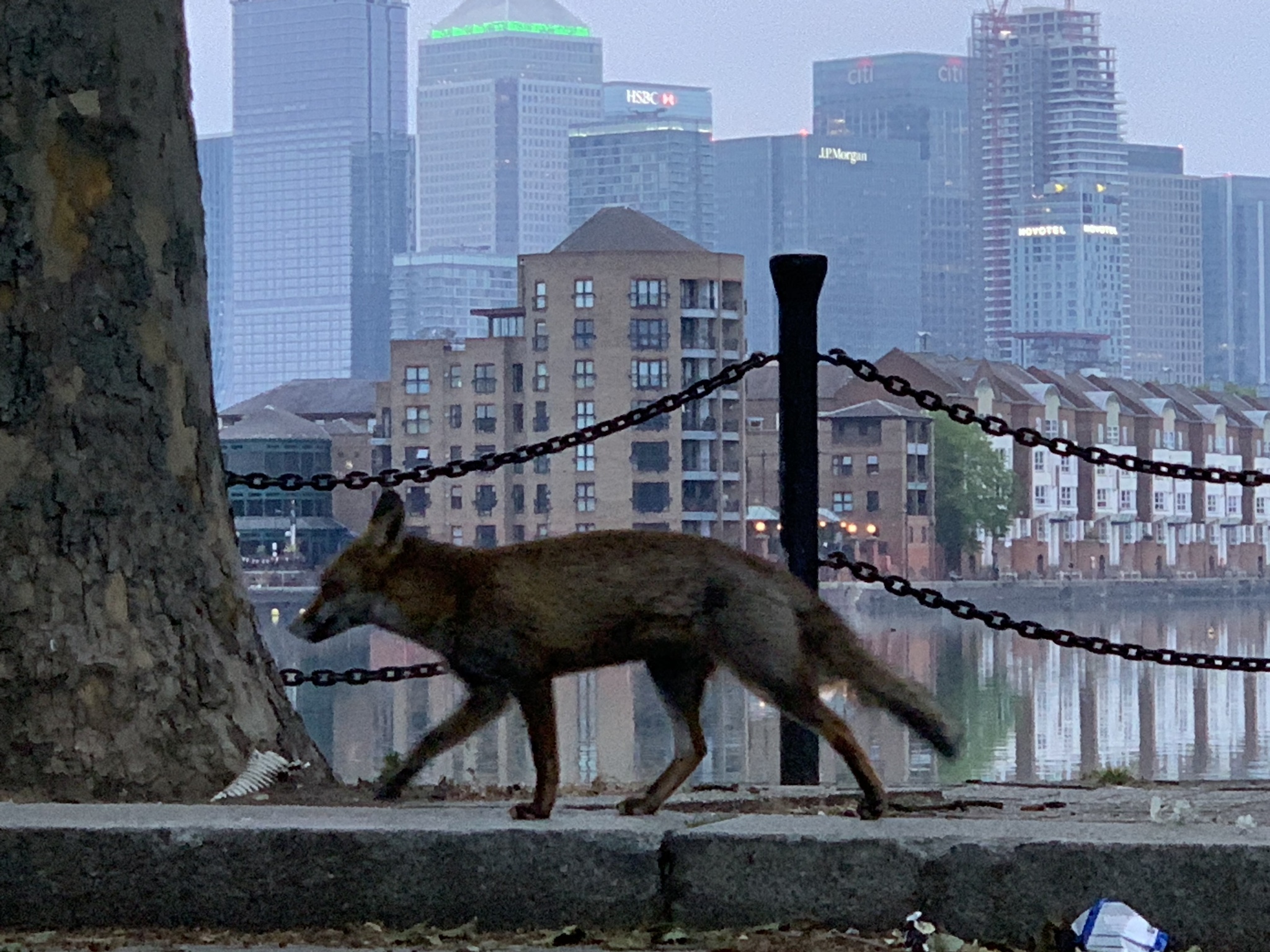
Urban Foxes on the Prowl: Urbanization Leads to Differences in Red Fox Skull Shape
Urban areas around the world are an interesting combination of non-native and native species. In London, urban foxes are a common sight and because…
-
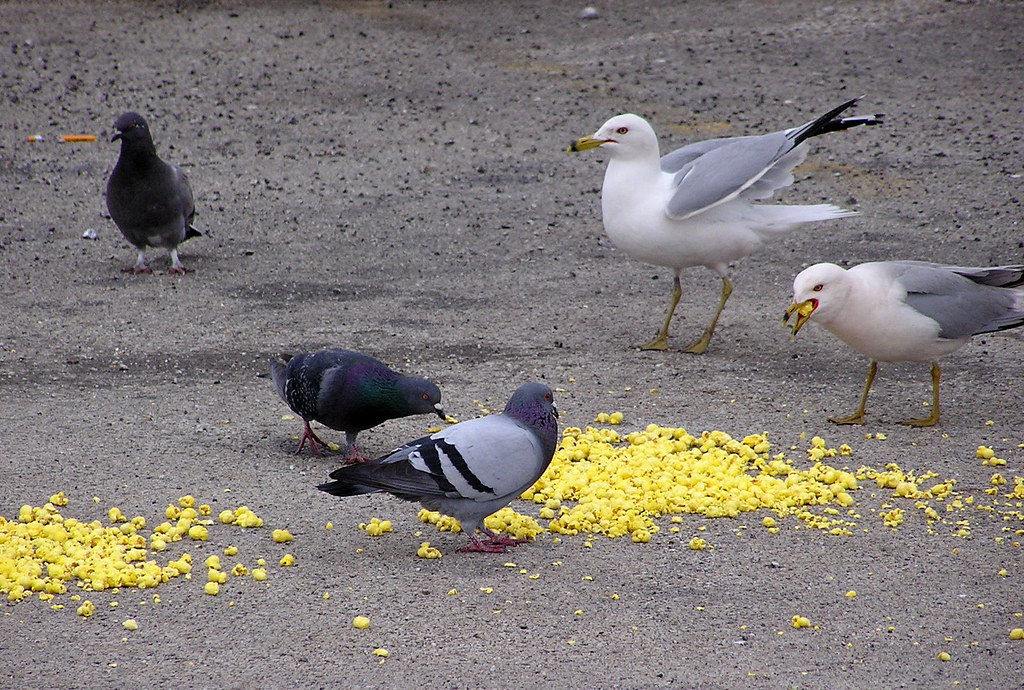
Urban Tolerance is Predicted by Brain Size and Behavioral Flexibility
Urban areas are dynamic, heterogeneous habitats that differ dramatically from your traditional “non-urban” habitats. These centers are complex, multi-level habitats that are full of…