
Category: Urban Environments
Blog news (3) Books (2) Citizen Science (21) Conference Proceedings (73) Defining Urbanization (6) Guest Post (10) How To (14) Museums/Natural History Collections (3) Natural History Notes (10) New Lit Abstracts (101) New Research (181) New Research Tools (7) Notes from the field (15) Public Outreach (22) sustainable development (3) Uncategorized (43) Urban Environments (60) Urban Evolution in the Media (12) Urban observations (88) Urban Wildlife (17)
-
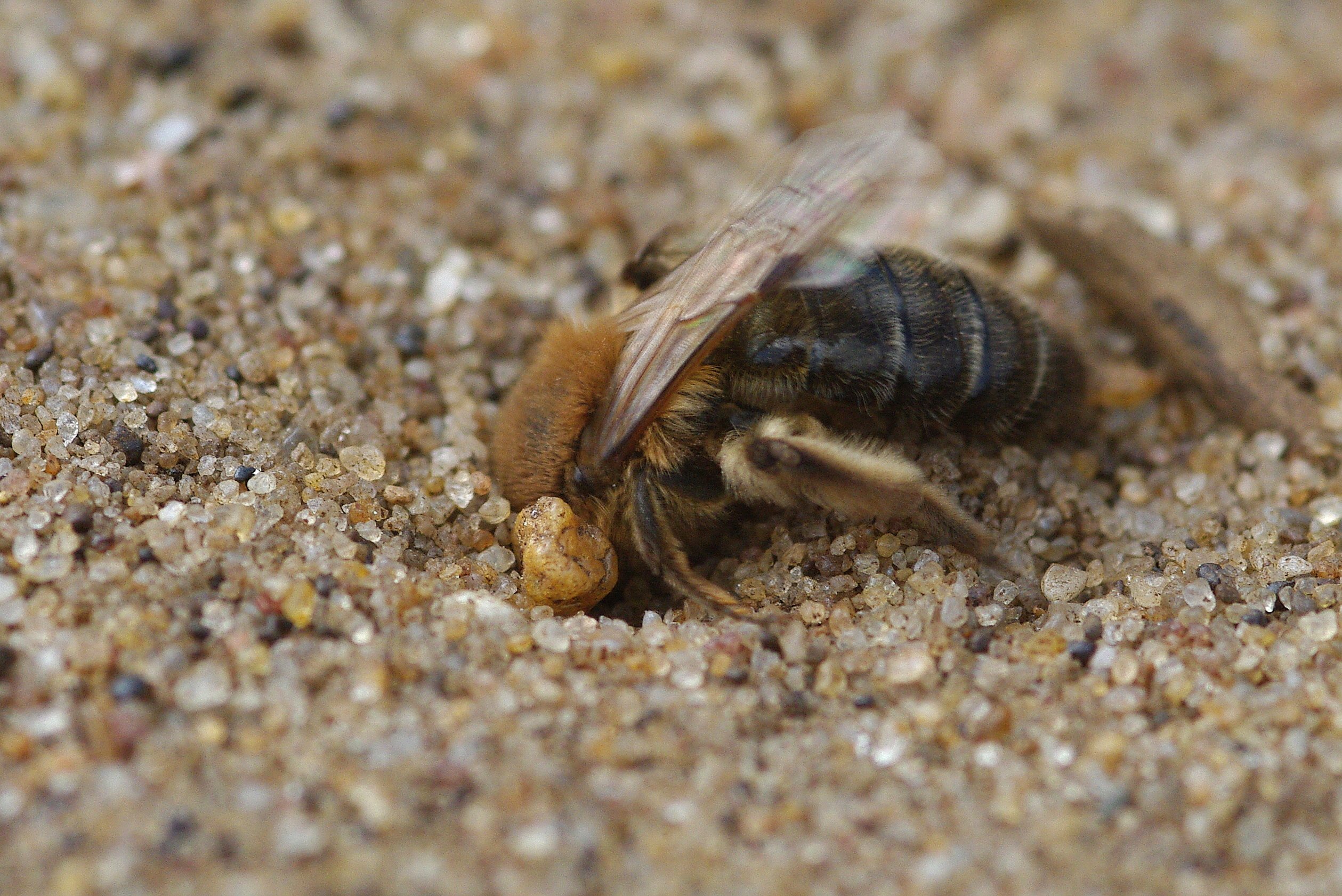
Bees below our feet: How pavement can host a diversity of nesting bees
Pollinator decline is significant problem we are currently facing. Many studies have shown a drastic decrease of insects, including pollinators (Hallmann et al., 2017).…
-

Artificial light at night may make African mouse species vulnerable
When thinking about a city at night, chances are that you include some twinkling streetlights in your mental image. Billboards, streetlamps, and neon signs…
-
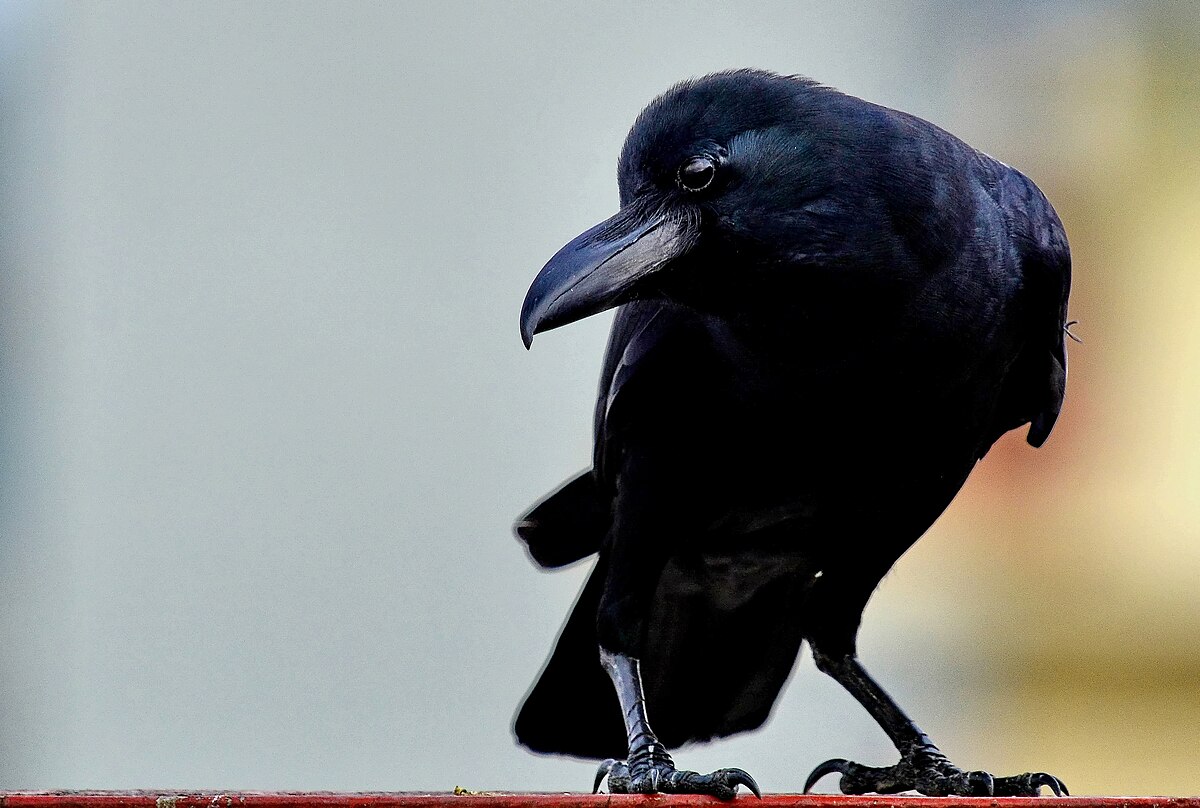
They Know Who You Are: How City Animals Recognize People
In the heart of the city, dominated by human-made material, animals face more than cars and concrete—they face humans. And to survive, some of…
-
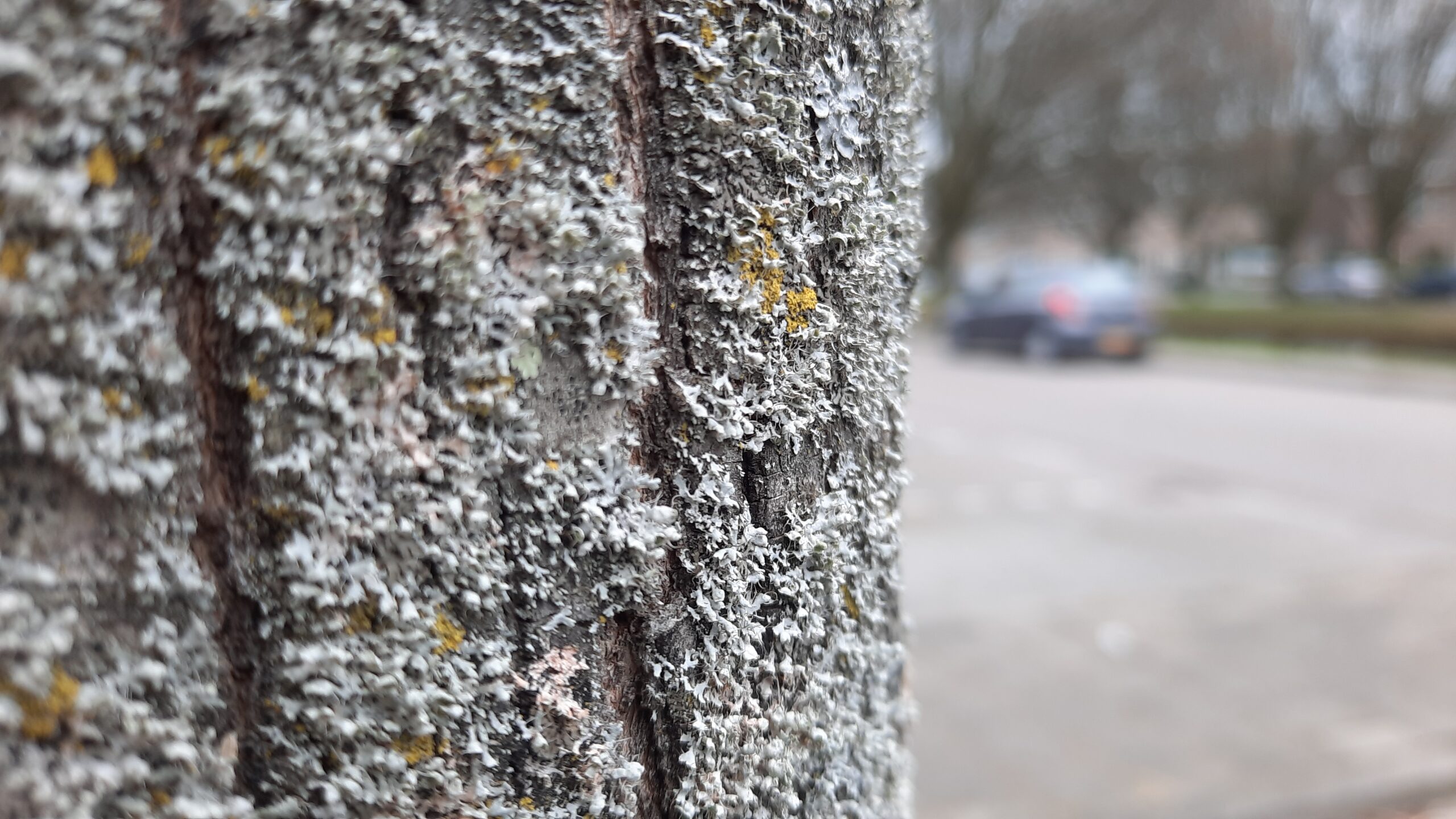
Hidden Biodiversity: Lichens in the city
In urban ecology, a lot of attention has been paid to groups such as birds and trees and how they adapt to life in…
-
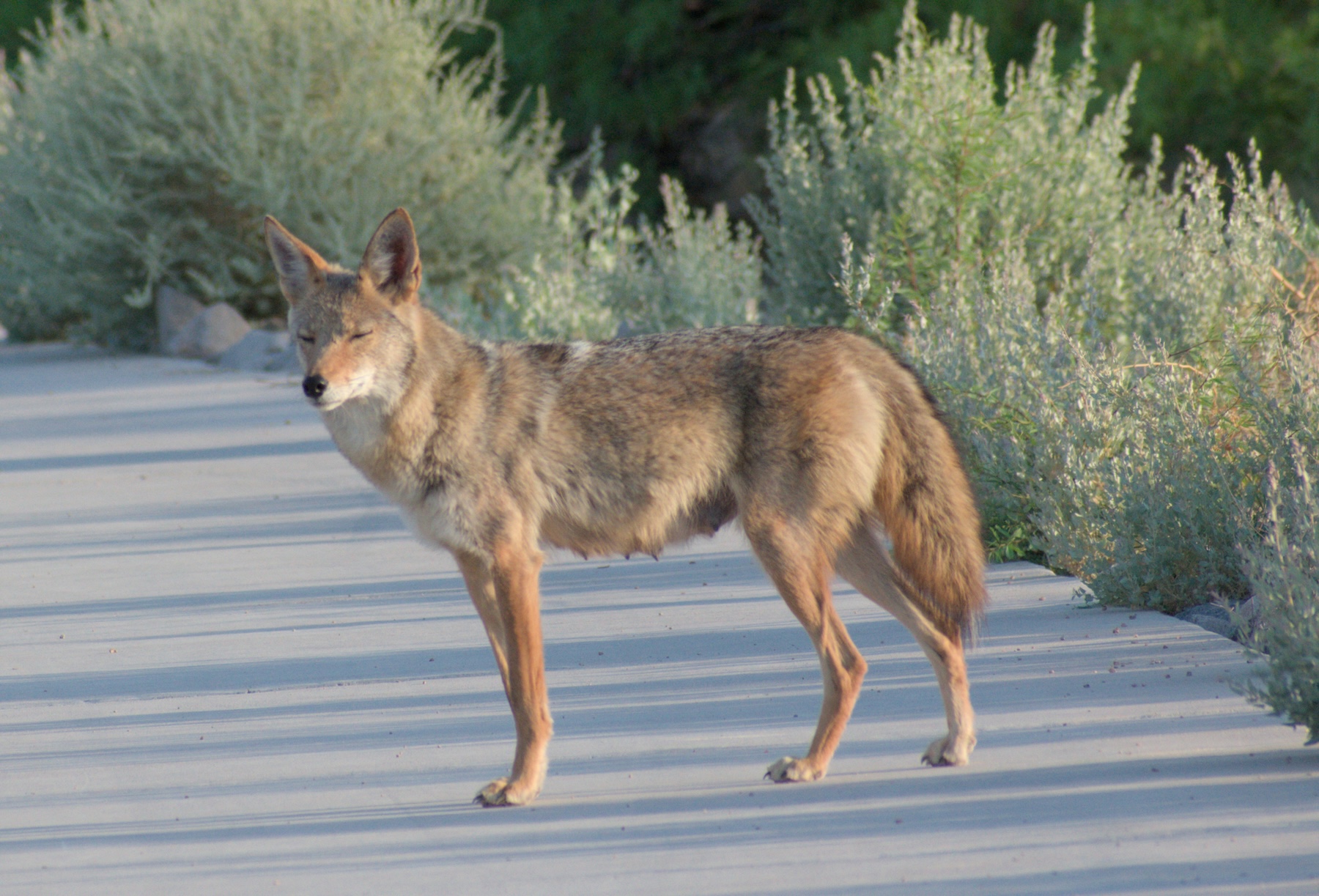
Coyotes as Proxy for Urban Evolution
Urbanization has been ever increasing since the start of the industrial revolution and has shown no signs of slowing down. This has lead to…
-

Relaxing Chipmunks in Urban Areas
The human population around the world keeps growing. With that growth existing cities are expanding and new ones are being built. The urban landscape…
-
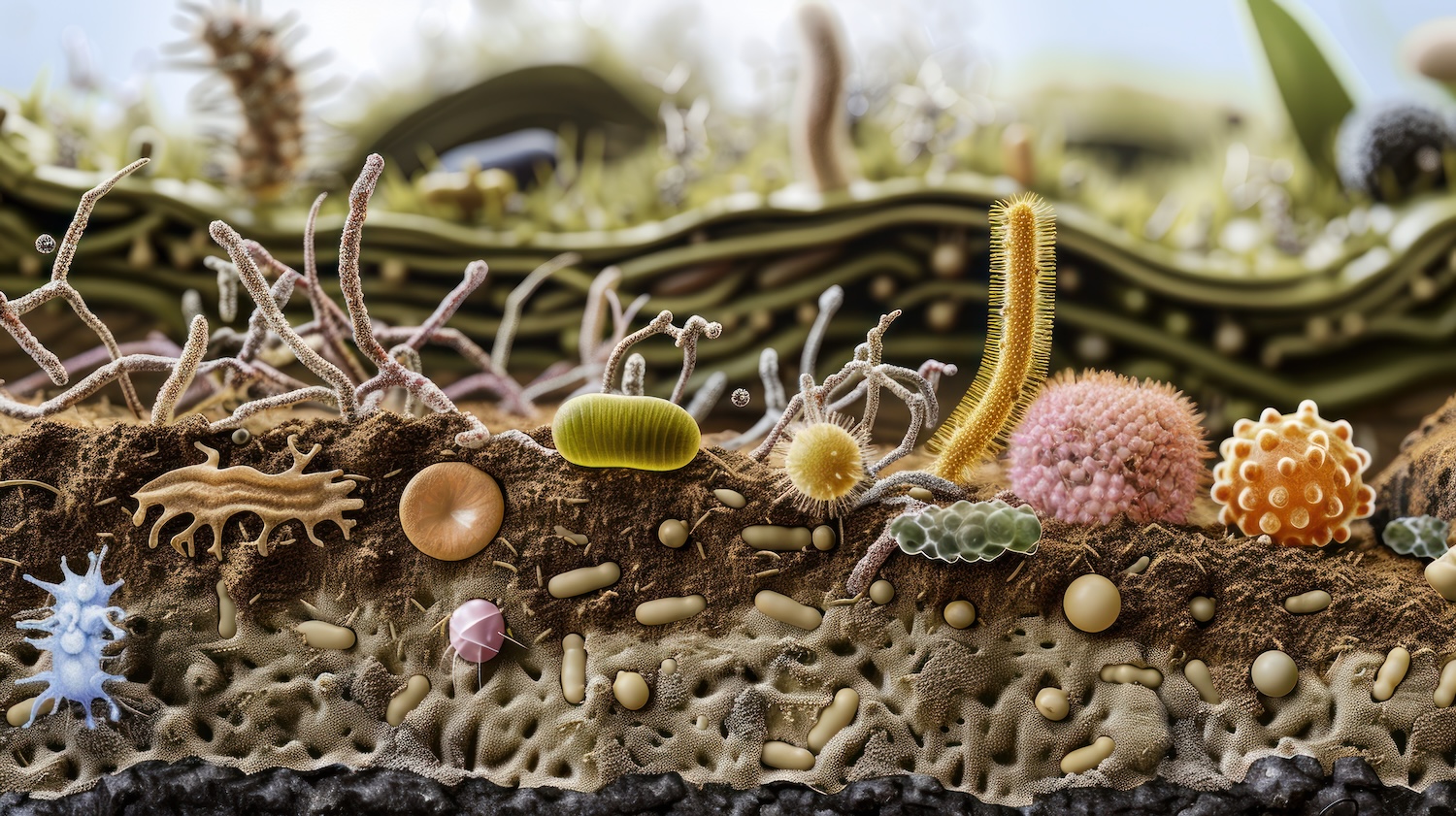
How Does Urban Development Affect Soil Microbial Community?
Microorganisms are essential members of soil ecosystems, and they form complex, interactive networks [4] including communications and interactions with each other that are similar…
-
Is ALAN an advantage or disadvantage for bats?
Artificial light at night (ALAN) is one of the most significant environmental changes of the past century.1 In 2020, there were approximately 361 million…
-

Navigating towards a quieter urban environment: mitigating the threat of traffic noise
In today’s urban environment, the constant presence of traffic noise is undeniable, infiltrating even the most hidden corners of the woods. Previous studies have…
-

The rise of Culex molestus: True Urban Evolution or a mere eco-type?
A number of years ago there was quite a lot of media attention regarding a possible case of in situ evolution of Culex pipiens…
-
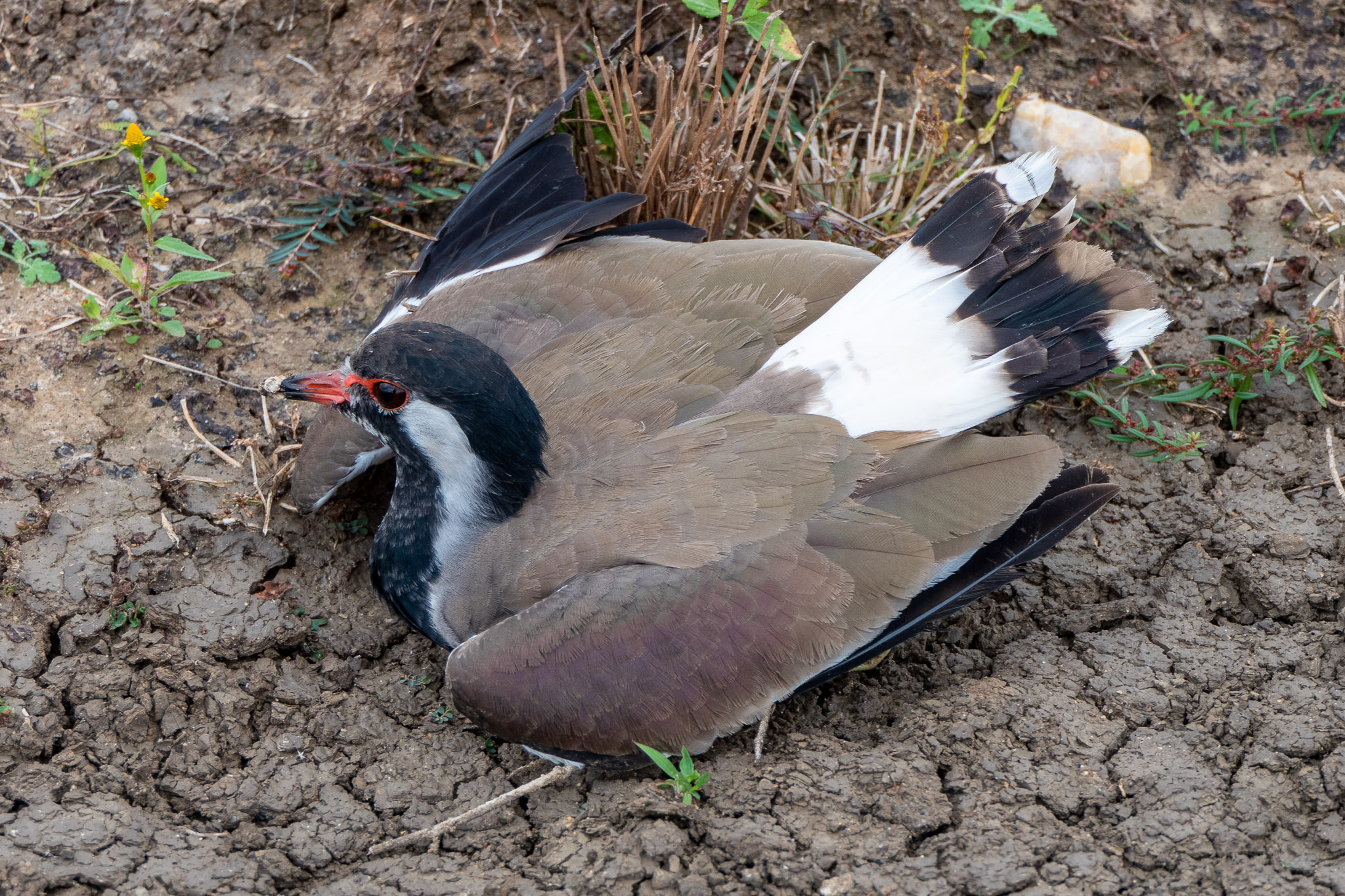
Why the long neck? Signs of avian botulism to look out for!
Have you ever seen a duck, goose, coot or any other waterbird laying long out on the ground or surface of the water? Do…
-
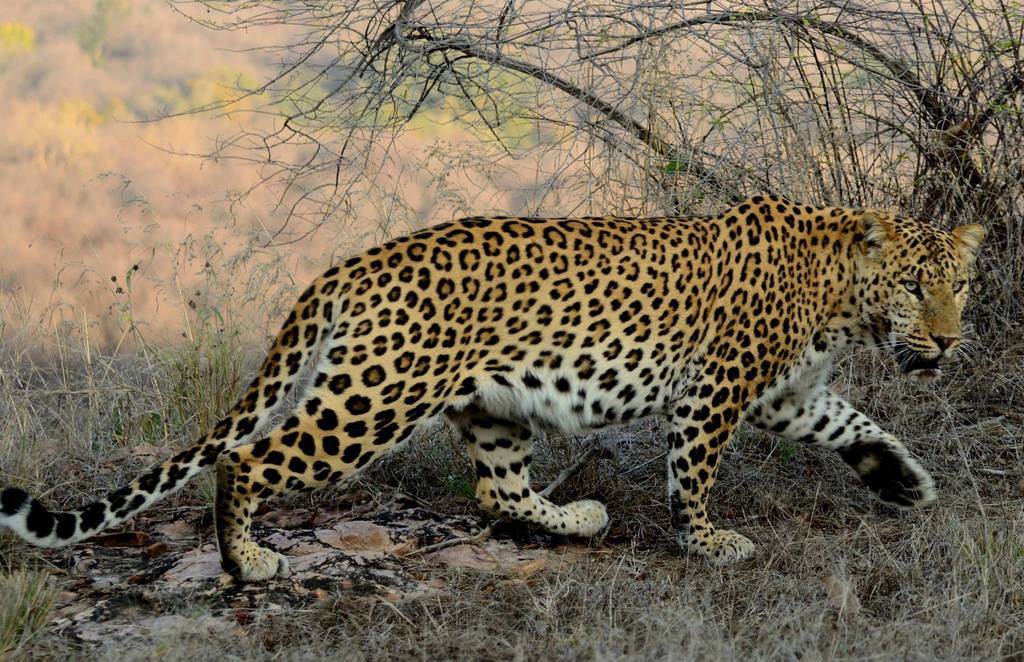
Of leopards and men; the presence of a lethal predator in Mumbai
Darkness sets over India’s largest city. Of course, a city with a population exceeding 12 million people will never be truly dark. Or silent.…
-

Arms race in the war on raccoons
“Madrid declares war on plague of raccoon and parrot invaders” The Guardian (2013, July 22) “Toronto wages war on Raccoon Nation”The Canadian Press (2015,…
-
Urbanization and Local History Affect the Saguaro Cactus in the Sonoran Desert
With the rapid expansion of the city, the degradation of the natural environment has gradually aroused widespread concern in society. In recent years, the…
-

The fox and the bag: a modern fable
A statue of a fox, as long as 16 meters with a height of over 10 meters, with a bag between its teeth sits…