
Category: Urban Environments
Blog news (3) Books (2) Citizen Science (21) Conference Proceedings (73) Defining Urbanization (6) Guest Post (10) How To (14) Museums/Natural History Collections (3) Natural History Notes (10) New Lit Abstracts (101) New Research (181) New Research Tools (7) Notes from the field (15) Public Outreach (22) sustainable development (3) Uncategorized (43) Urban Environments (60) Urban Evolution in the Media (12) Urban observations (88) Urban Wildlife (17)
-

Dealing with relatives and concrete: how to make the city a refuge for wild bees?
Wild bees are declining at alarming rates in rural environments, but cities have the potential to provide habitat for a surprisingly high diversity of…
-

Urban beekeeping poses a threat on wild bee species
Urban areas as a refuge Cities provide a diverse set of habitats that have the possibility to house many wild bee species [1]. Urban…
-

Urbanization and the re-shaping of fish.
Around the globe we see an increase of populations living in cities, making urban environments the fastest growing ecosystem on the planet. Urbanization is…
-
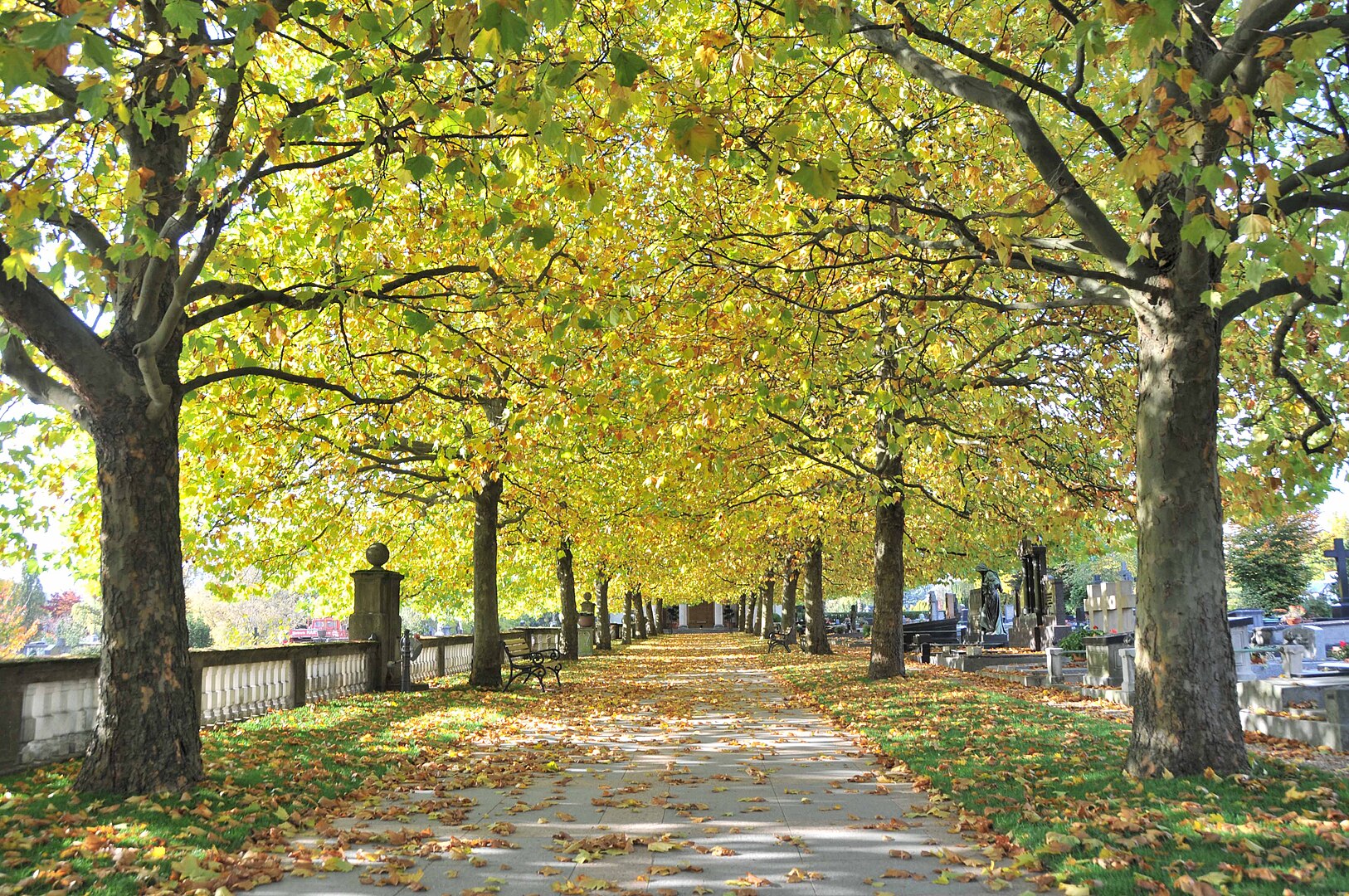
Beyond the Shade: The Growing Disadvantages of the London Plane
When I was younger, I remember thinking to myself: “This tree is losing its skin, is it dying?” I believe I can’t be the…
-
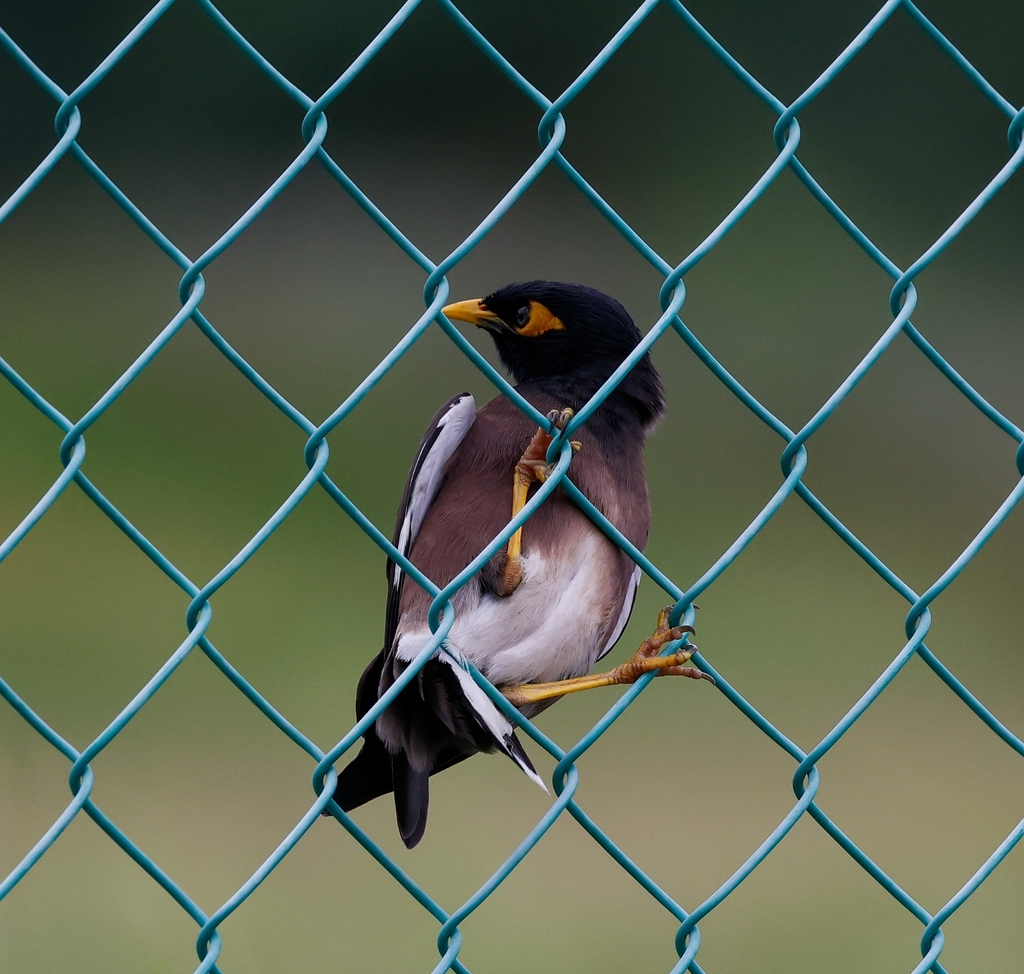
How do we make birds feel more at home?
Cover photo: Birds on a lantern post (Source: Business Insider) Taking a walk through the busy streets of the city, life appears to all…
-
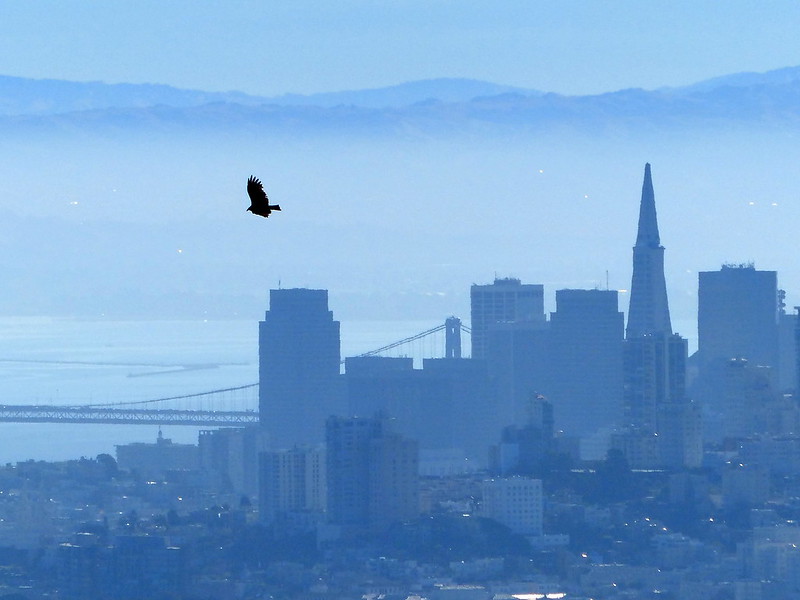
A concrete hunting ground: a new environment for raptors
Within cities, the number of trophic levels present in the community can change when animals migrate there. Smaller predators can end up at the…
-

Using Soundscapes to Monitor Urban Diversity
Using soundscapes to monitor urban diversity by Shade Walker Daily sounds of local traffic, the coffee machine pouring, conversations over breakfast, and morning birdsong,…
-
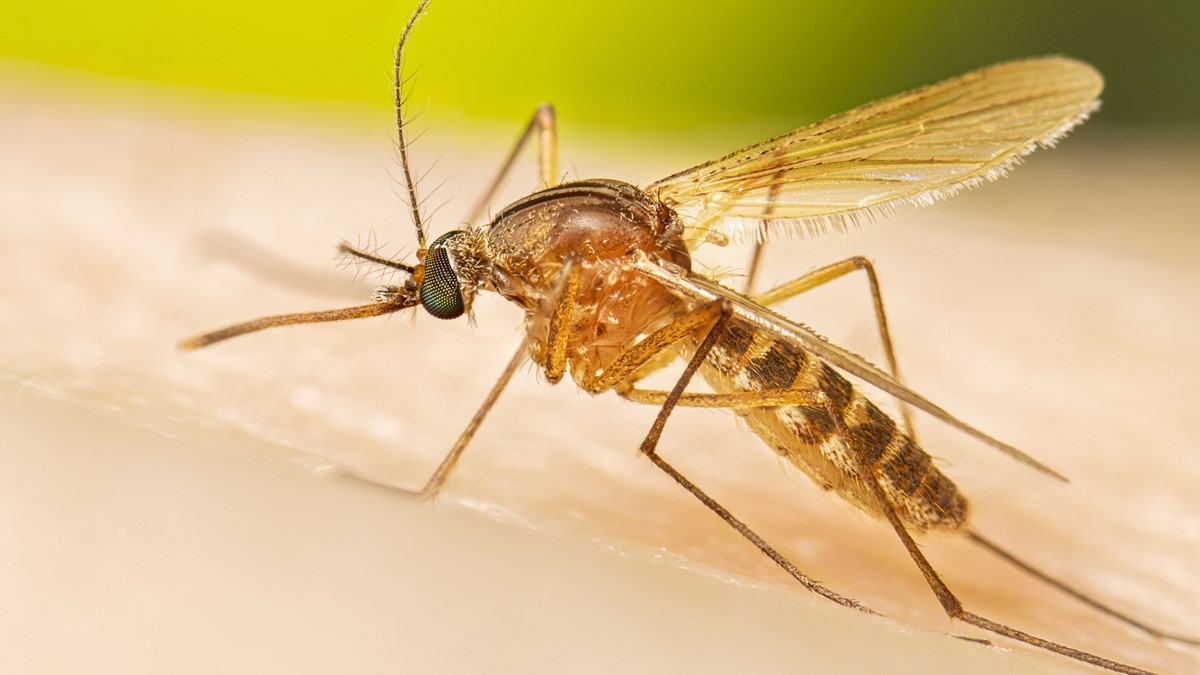
‘Our neighbours suck!’
The Earth is surely heating up, and so are our cities. The concrete structures that surround us in our daily lives quickly raise temperatures…
-

What Is The Impact of ALAN On Nocturnal Pollination By Moths?
Pollination is a fundamental ecological process that supports biodiversity and sustains economies through crop pollination. About 80% of wild plant species rely on insect…
-
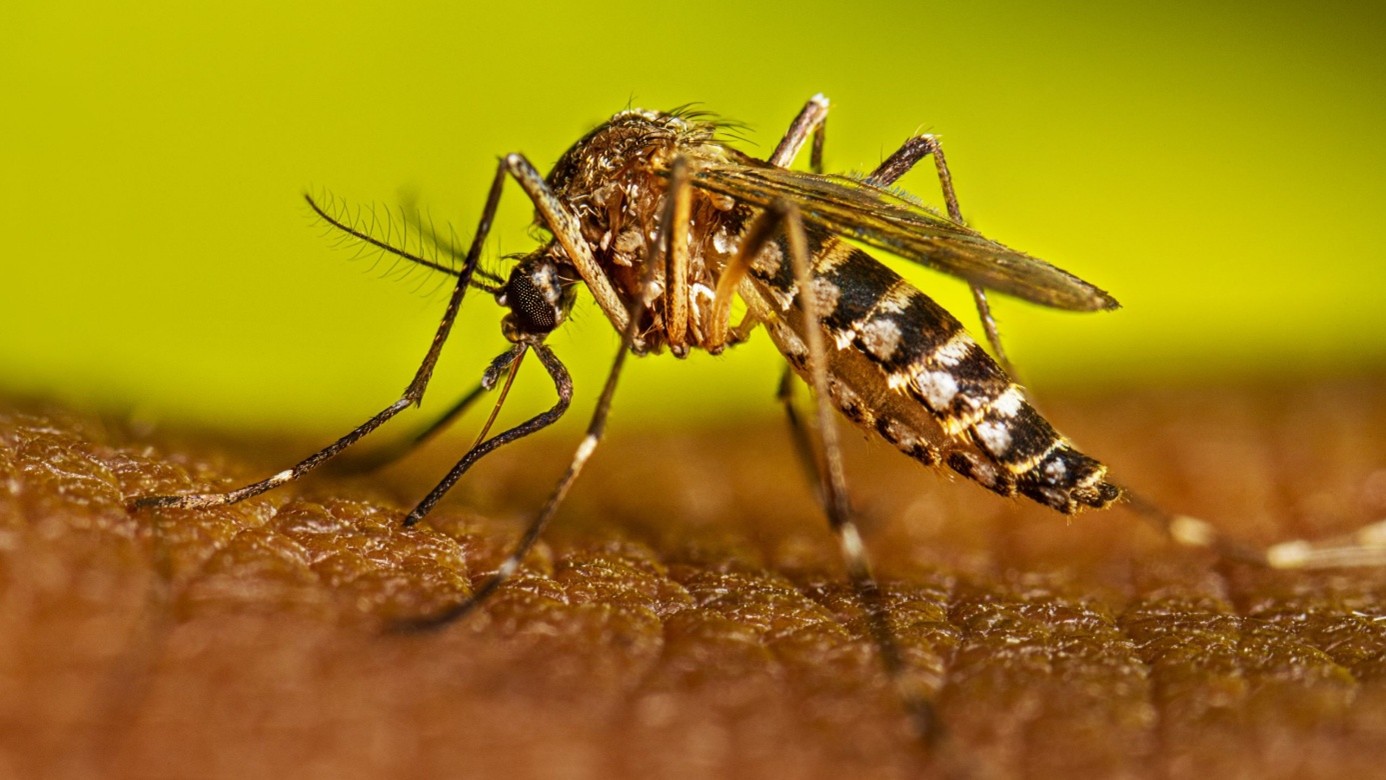
BZZZZZzzzZZZ Oh No Mosquito! Urban Vector-Borne Disease Ecology
It is definitely that time of year again: insects and other invertebrates seem to spawn from every nook and cranny. We see snails feasting…
-
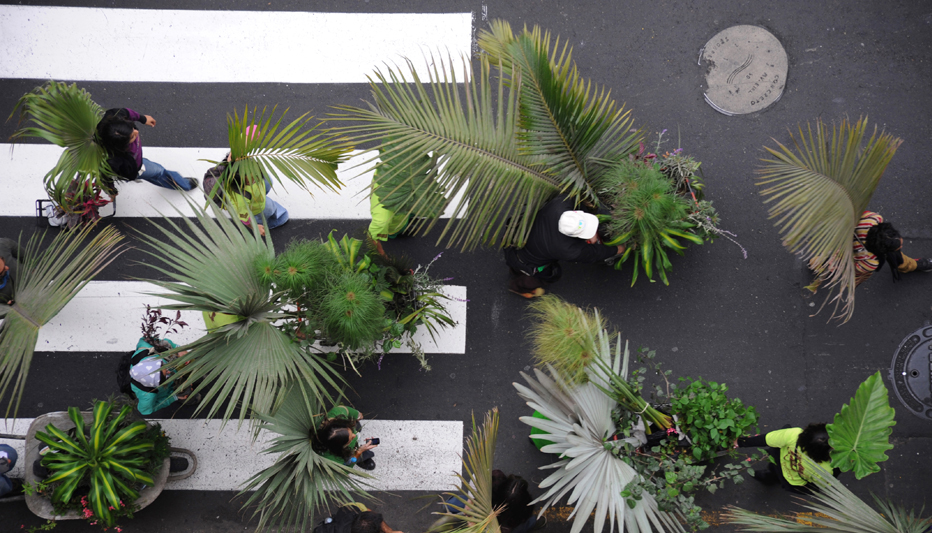
Ecological Art and Nature-based Solutions Come Together in Battle Against Urbanization
The world has become increasingly urbanised in recent decades and cities are still expanding at fast rates all across the world. This urbanization and…
-
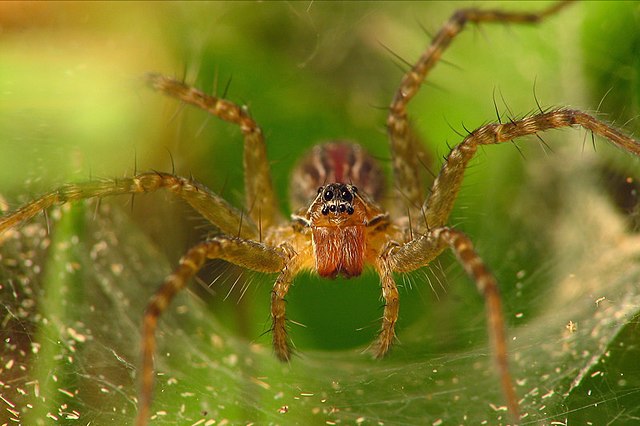
The Urban Spider Survival Guide
An introduction to the city spider Spiders are the most diverse and abundant terrestrial predators on earth. This group of species is, in turn,…
-
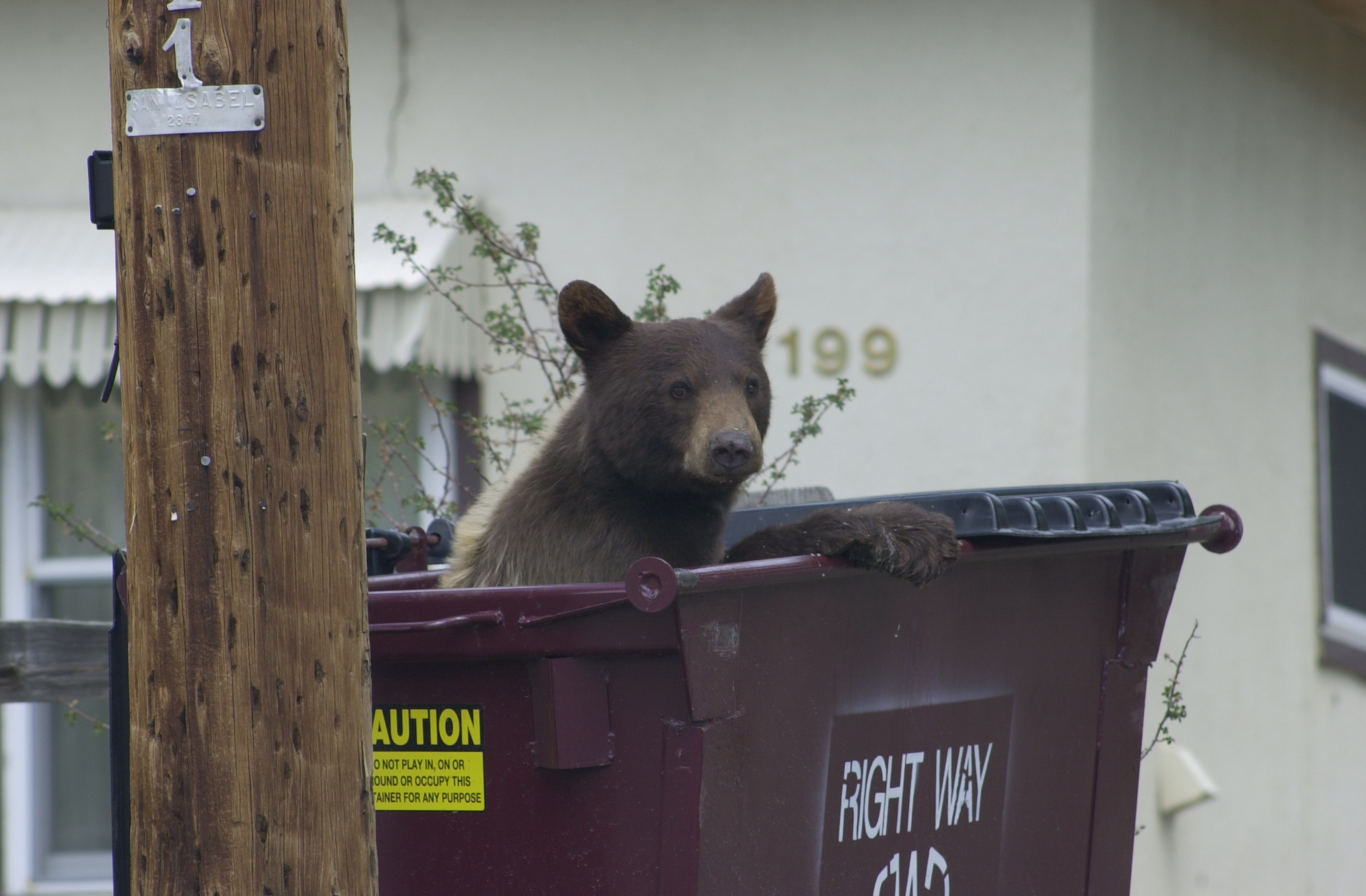
Black bears in the Backyard: Adapting to a New Kind of Wild
Cities are a special environment regulated by humans: planted green spaces, paved streets, large buildings, constant light and traffic. Some animals like meadow birds…
-

The effects of noise and light pollution on Australian Black Swans (Cygnus atratus)
Urban environments, also known as concrete jungles, are the most rapidly growing type of environment of the current time. They force not only the…
-
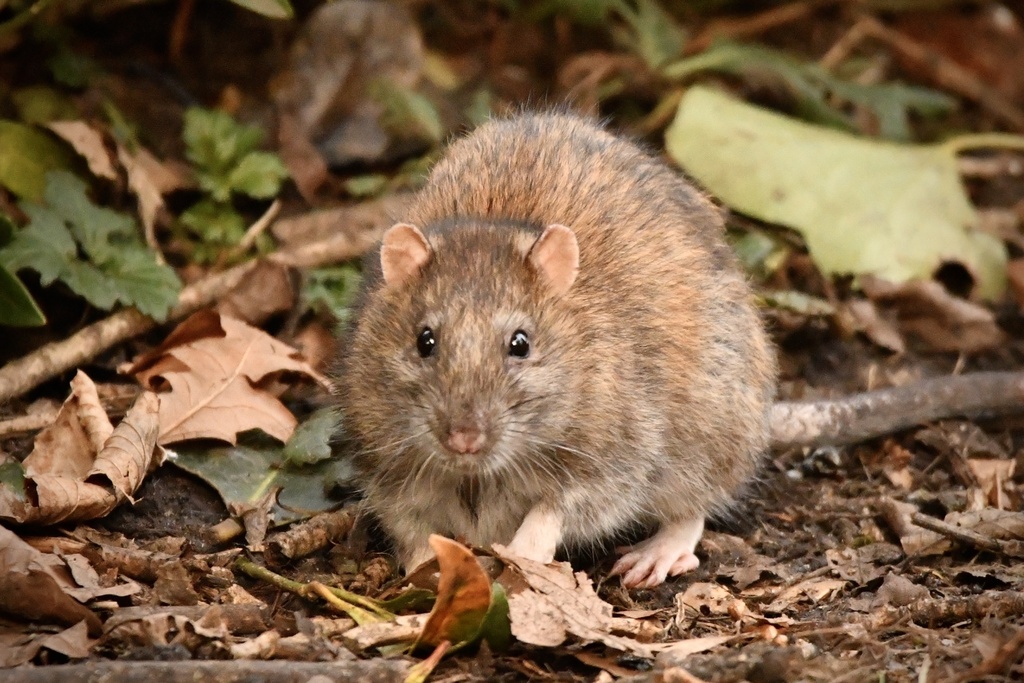
The Superpowers of Urban Rats: How urban life transforms rodents
Our typical urban rats, mainly brown rats (Rattus norvegicus), have undergone adaptations that enable them to thrive in urban environments. These adaptations distinguish urban…