• Life in the City
  • Life in the City

    • Facebook
    • Instagram
    • X
Life in the City
  • Facebook
  • X
  • Home
  • About Us
    • About Us
    • Funding
  • Contributor Links
    • Guidelines for Contributors
    • Contributor Access
  • Learn More
    • New Urban Eco-Evo Literature!
    • Foundational Reading
    • Urban Research Resources
  • Glossary
  • Bats in Leiden: The night shift nobody talks about

    January 24, 2026
  • An urban fairy-tale: saving butterflies from urbanization

    January 24, 2026
  • Person crouching in grass, reaching their hand out towards a tree squirrel

    Behavioral Convergence in Urban Wildlife

    January 24, 2026
  • Cities as Evolutionary Incubators: Unlocking the Secret of the Spotted Lanternfly Invasion

    January 24, 2026
  • Understanding the Distribution of Urban Rat-Associated Pathogens

    Understanding the Distribution of Urban Rat-Associated Pathogens

    September 1, 2020

    Pathogens are organisms that cause disease, and zoonotic pathogens are those that can be transmitted between animals and people. Where pathogens are found can be determined by environmental changes. Urbanization is known to mediate environmental changes in cities as well…

  • Big in the City: Urban Eco-Evolutionary Dynamics in Bumblebee Body Size and Pollination

    Big in the City: Urban Eco-Evolutionary Dynamics in Bumblebee Body Size and Pollination

    August 25, 2020

    Urbanization is arguably one of the most rapid and conspicuous human-driven environmental changes, and fragmentation is one of the most pervasive outcomes of urbanization. Patches of vegetation within the built matrix of a typical cityscape, such as parks and gardens,…

  • CSEE2020: Variation in Pollinator-mediated Plant Reproduction Across an Urbanization Gradient

    CSEE2020: Variation in Pollinator-mediated Plant Reproduction Across an Urbanization Gradient

    August 18, 2020

    Recently, Ruth Rivkin shared some of her dissertation work with the Canadian Society for Ecology and Evolution (CSEE). Urban habitats are more fragmented and degraded than nonurban habitats, which can impact both the ecology and evolution of species interactions. Species…

  • CSEE2020: Human Influences on Darwin’s Finches

    CSEE2020: Human Influences on Darwin’s Finches

    August 11, 2020

    The Galápagos Islands are renowned for their unique, endemic biodiversity which inspired Charles Darwin to develop his theory of evolution by natural selection. In particular, Darwin’s finches are an iconic example of adaptive radiation due to natural selection, where ~18…

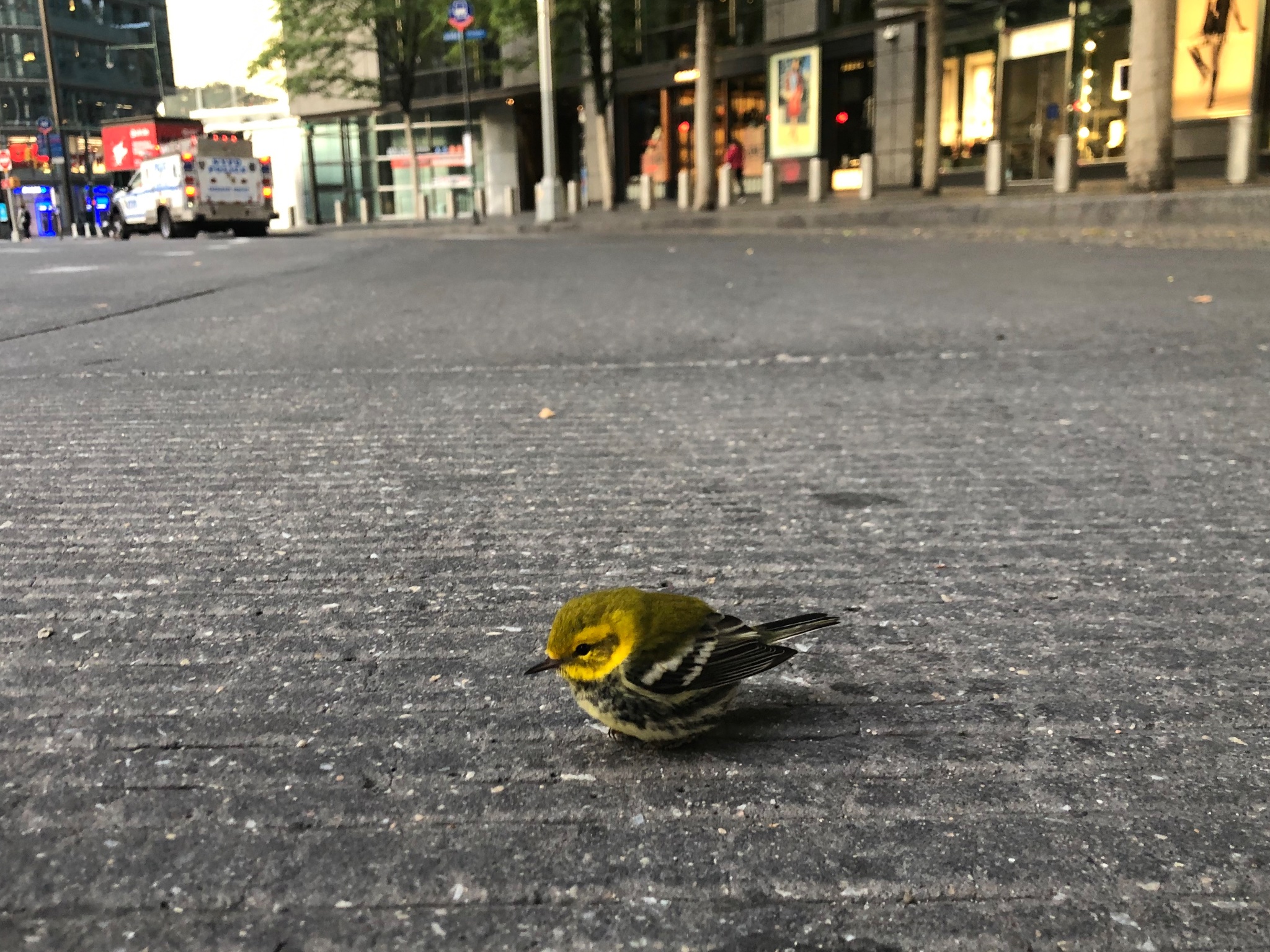
  • ABS2020: Using Acoustic Signals to Reduce Avian Collisions with Man-made Structures

    ABS2020: Using Acoustic Signals to Reduce Avian Collisions with Man-made Structures

    August 4, 2020

    As areas become more urbanized, fauna are continually exposed to novel anthropogenic structures and are forced to adapt. However, adapting is not always an option. For example, we see that individuals across various groups have not adapted to roads and…

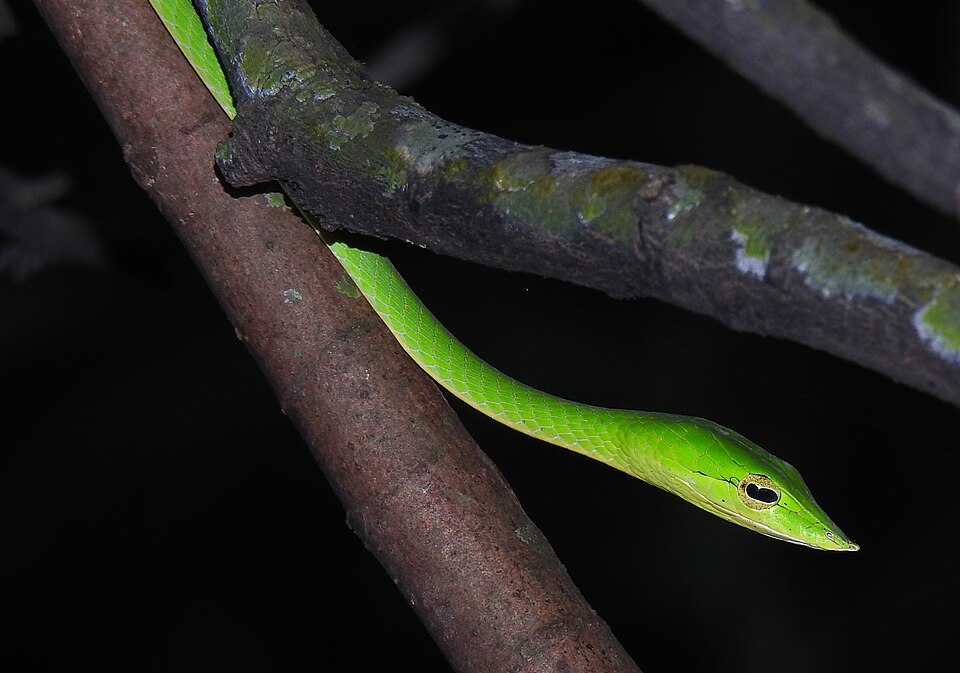
  • Some Thoughts on Urban Snakes

    Some Thoughts on Urban Snakes

    July 7, 2020

    I’m partial to the creepy, crawly, scaly, slithering critters. I spend most of my time thinking about urban lizards, but recently started wondering about urban snakes. To my great disappointment, I wasn’t able to find many recent publications on urban…

  • Cities and Behavioral Adaptations

    Cities and Behavioral Adaptations

    June 30, 2020

    It’s clear that urbanization alters native animal and plant communities around the world. However, while some organisms become locally extinct as anthropogenic forces change the land, other species survive or even thrive in this urban landscape. A recent paper by…

  • IALE-North America 2020 Symposium: Landscape genetics as a tool for managing human-impacted landscapes

    IALE-North America 2020 Symposium: Landscape genetics as a tool for managing human-impacted landscapes

    June 26, 2020

    This summer the International Association for Landscape Ecology – North America (IALE-NA) hosted an annual meeting that was originally scheduled to be in person in Toronto, ON, Canada, but due to Covid-19 it was hosted online. This was my first…

«Prev
1 … 41 42 43 44 45 … 63
Next»

Latest Posts

  • Bats in Leiden: The night shift nobody talks aboutMay 12, 2026
  • An urban fairy-tale: saving butterflies from urbanizationApril 21, 2026
  • Person crouching in grass, reaching their hand out towards a tree squirrel
    Behavioral Convergence in Urban WildlifeMarch 20, 2026
  • Cities as Evolutionary Incubators: Unlocking the Secret of the Spotted Lanternfly InvasionFebruary 20, 2026
  • Urbanized InvadersFebruary 13, 2026

Latest Comments

  1. Lichens versus Urban Traffic – Life in the City on Hidden Biodiversity: Lichens in the cityAugust 4, 2025
  2. princemexico57 on SICB 2020: How is Light Effecting Behavior and Physiology of Anoles?October 30, 2023
  3. Walid on Urban Environments – A Hidden Insect Biodiversity Hotspot?June 23, 2023
  4. Kristin Winchell on (Sub) Urban Observations: Red-eared SliderJune 8, 2023
  5. Liz Hammer on (Sub) Urban Observations: Red-eared SliderJune 3, 2023

adaptation ALAN anole anoles anolis Australia behavior biodiversity bird birds city conference conservation diet Evol2019 evolution Evolution 2019 FID fieldwork gene flow herpetology International Urban Wildlife Conference invasive species IUWC2019 lizard lizards mammals morphology NYC physiology plants plasticity pollution SICB SICB2019 thermal urban urban birds Urban ecology urban evolution urban heat island urbanization urban observation urban wildlife wildlife

Life in the City

A collaborative resource for science, education, and learning about urban ecosystems.

  • Facebook
  • X

Search

Copyright © 2026 – Healio Magazine Theme By WP Plover

Top ↑