
-

Happy Birthday to Us!
Life in the City turns 1 year old today! Thank you all for following our blog. We are very proud of how it has grown and owe a huge thank you to our amazing contributors. In the last 365 days…
-
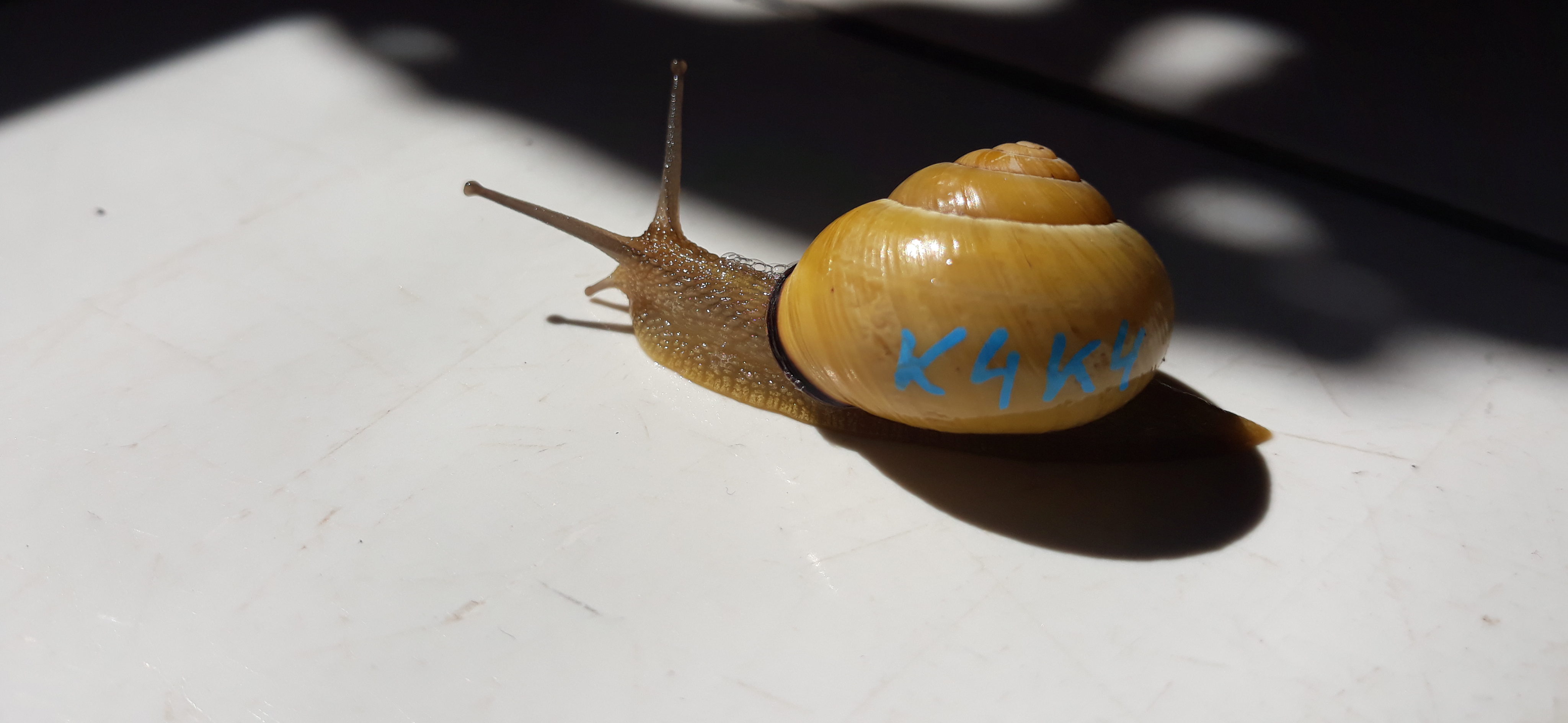
City Snails Wear Yellow: Urban Heat Island Drives the Evolution of Shell Colour
(I’m writing this the night of the September 20, 2019 Climate Strike. This is merely the consequence of literal months of procrastinating—the paper I am writing about got published in July, and was online as a preprint even before—but it…
-
Urbanization Can Influence Plant-Herbivore Interactions
Recently, LITC contributor Sophie Brietbart and myself published a review in Frontiers in Ecology and Evolution as part of a special issue on Arthropod Interactions and Responses to Disturbance in a Changing World. Changes to the biotic and abiotic environment…
-
What Do FID Studies Really Tell Us About Boldness?
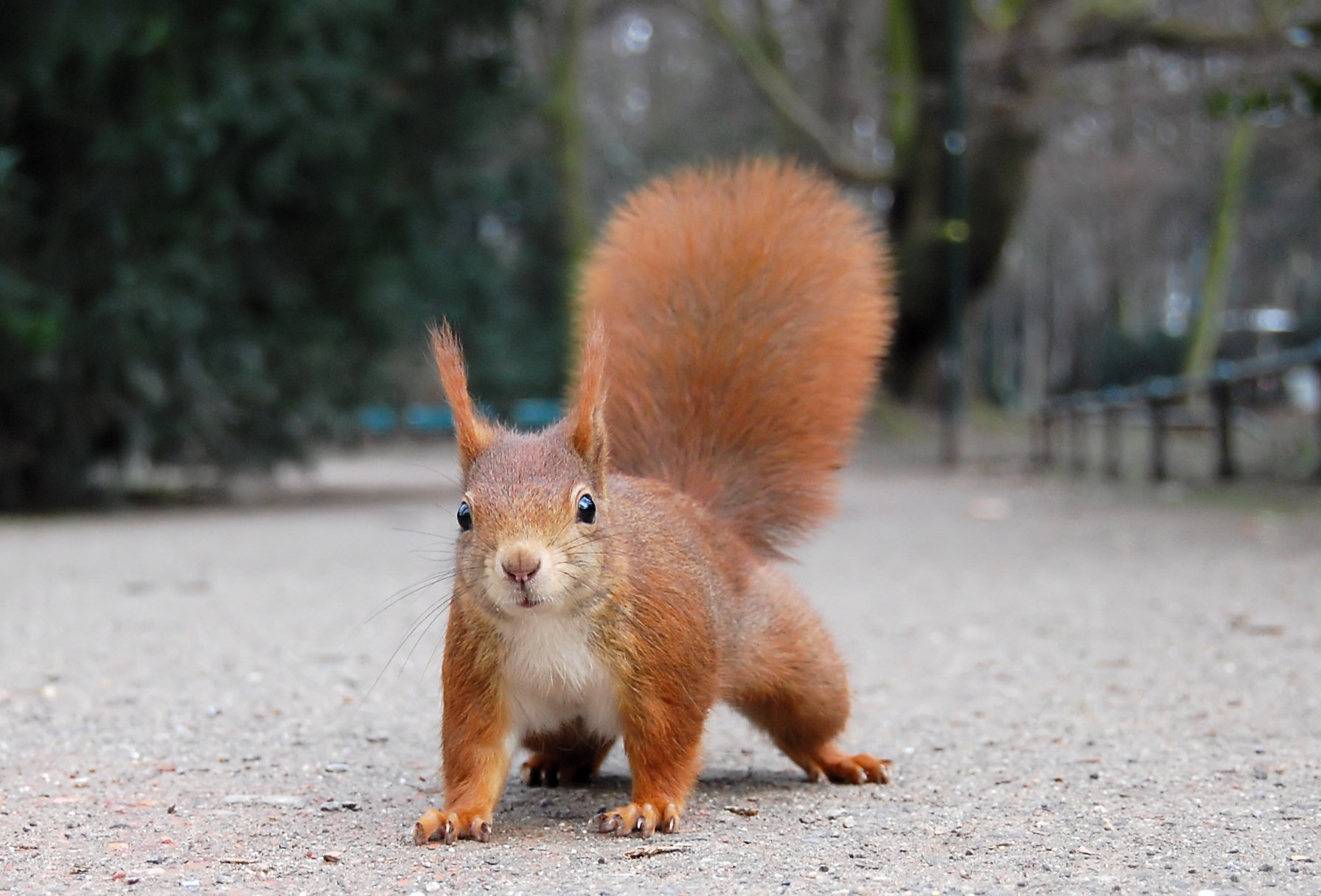
A common behavioral trend observed in urban animals is that they tend to be bolder compared to their rural counterparts. This behavioral shift can enable urban animals to deal with the unique stressors of urban life and may set the…
-

What is the “Indoor Biome”?
The tropics of Trinidad… the gleaming ice of the Arctic… as urban scientists, these are field sites we typically forgo for the sake of a short(ish) commute. Studying what’s “close to home” certainly has its benefits. Not only can we…
-
High Lead (Pb) Exposure May Lead to Adaptation in House Sparrows
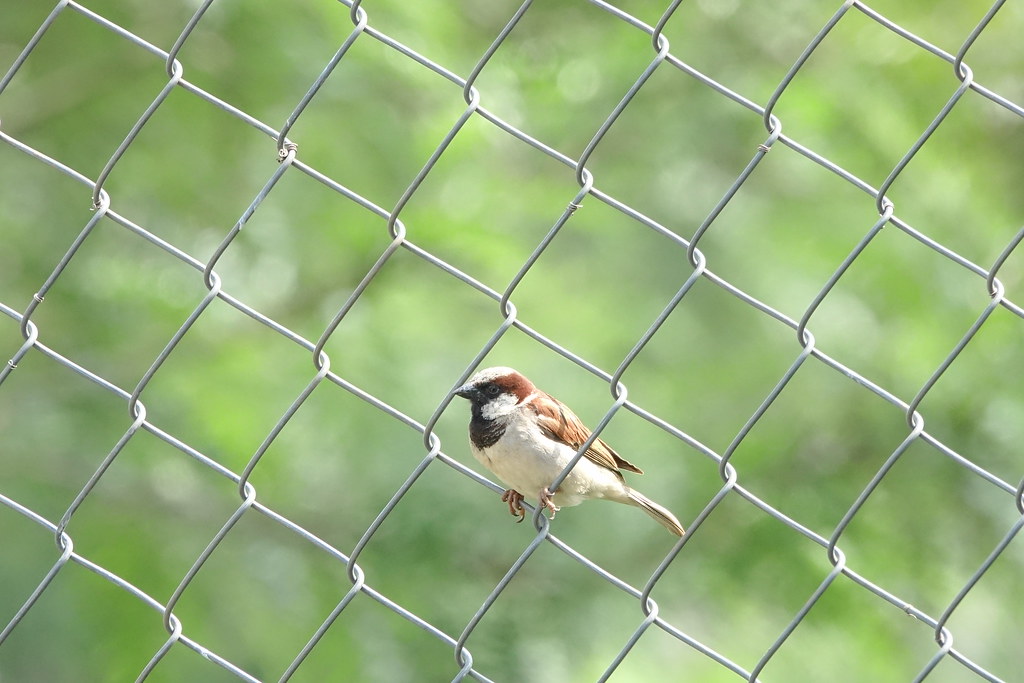
City life can be difficult for many organisms. Cities are louder, brighter, hotter, and often more contaminated with toxins than nearby less-developed areas. Ever-increasing research is showing that organisms are coping with the urban environment in many ways. Urban great…
-
Juggling a Junk Food Diet: Urban Birds Go on a Diet on Weekends Due to Less Availability of Junk Food
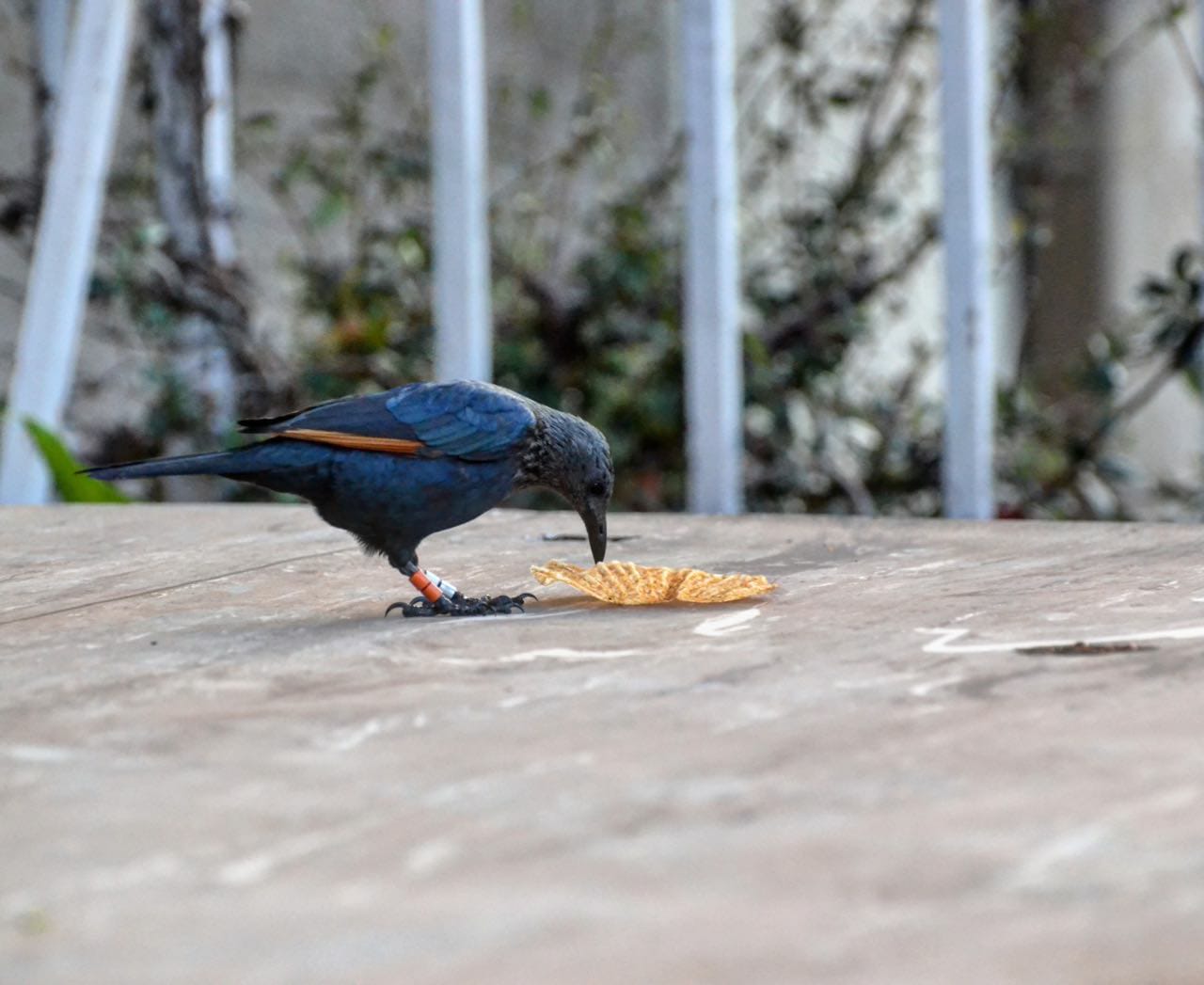
Have you ever found yourself wishing that the cafeteria was opened on weekends? Well apparently so have the birds! Read on to find out how weekly fluctuations in the availability of human food affect the foraging behavior of urban birds.
-
Back to the Basics: What is Urban Evolution?
Urban evolution can have different meanings depending on what field you come from. If you are an urban planner, it might mean that urban areas are getting larger, even using sustainable energy sources where they didn’t previously. For some architects…
Latest Posts
Latest Comments
adaptation ALAN anole anoles anolis Australia behavior biodiversity bird birds city conference conservation diet ecology Evol2019 evolution Evolution 2019 FID fieldwork gene flow herpetology International Urban Wildlife Conference invasive species IUWC2019 lizard mammals morphology NYC physiology pigeons plants plasticity pollution SICB thermal urban urban birds Urban ecology urban evolution urban heat island urbanization urban observation urban wildlife wildlife