

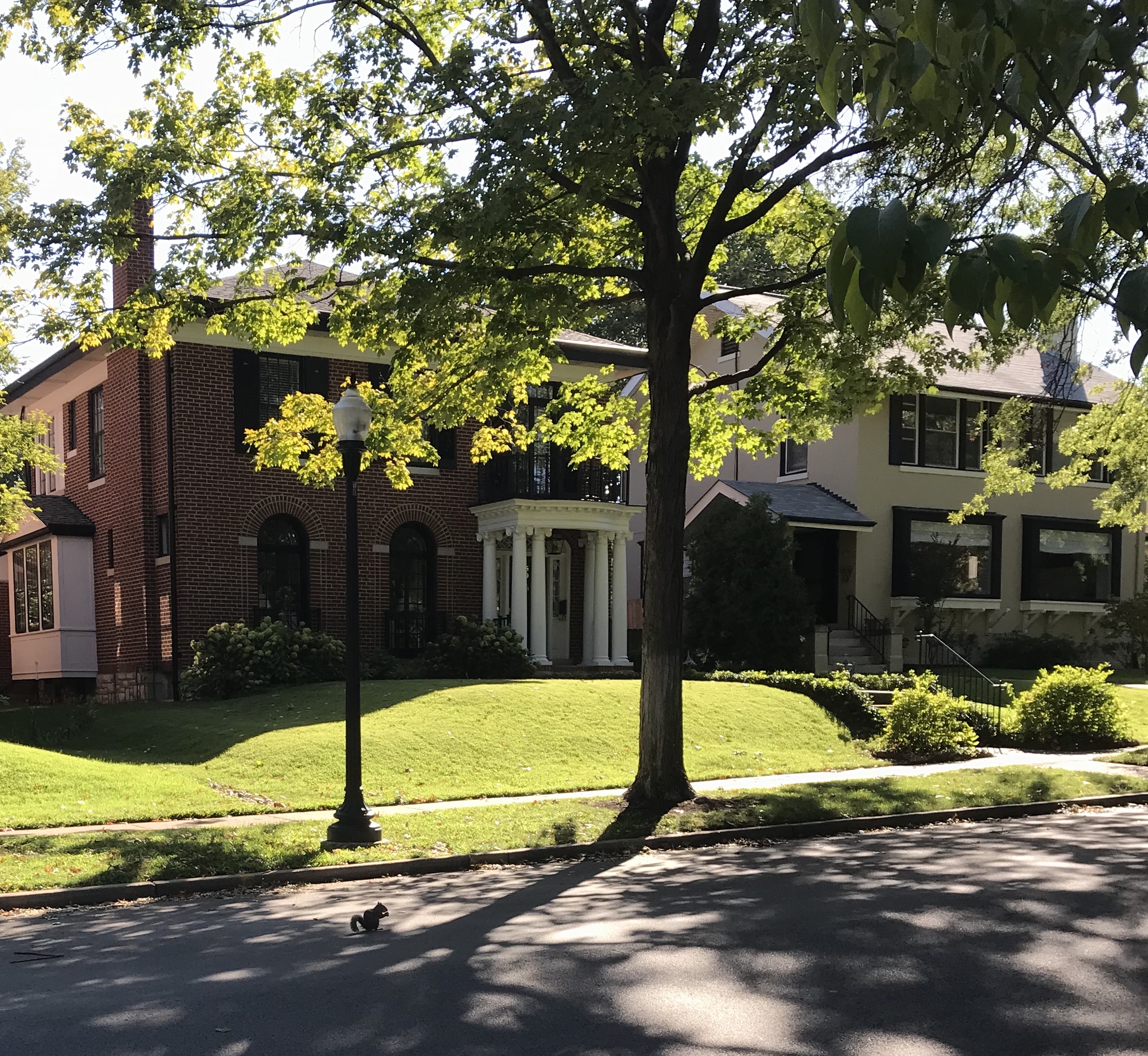
In cities the number and types of predators drastically differ from nearby rural and “natural” areas. This often means that the biggest threat prey species have to face in cities are domestic predators (dogs and cats) or generalist “mesopredators” like raccoons, coyotes, or foxes. That is, unless you consider the threat from humans, and in particular the cars they drive.
Car collisions are a significant cause of mortality for just about any species that lives near roads. Take, for example, the infamous roadkill highway in Florida (US highway 441). Researchers documented roadkill on a 3.2km stretch of highway over the course of a year: 1,821 vertebrate carcasses from 62 species! Unfortunately this is just one of many examples of extremely high road mortality. This study came to mind recently as I was driving in rural Massachusetts and witnessed a massive roadkill mortality event unfold over the course of several weeks. More squirrels than I have ever seen, dead on the road over the span of ~20km. In one stretch there were more than 30 dead animals over only 1 mile of road! Which got me wondering…
Why did the squirrels cross the road?
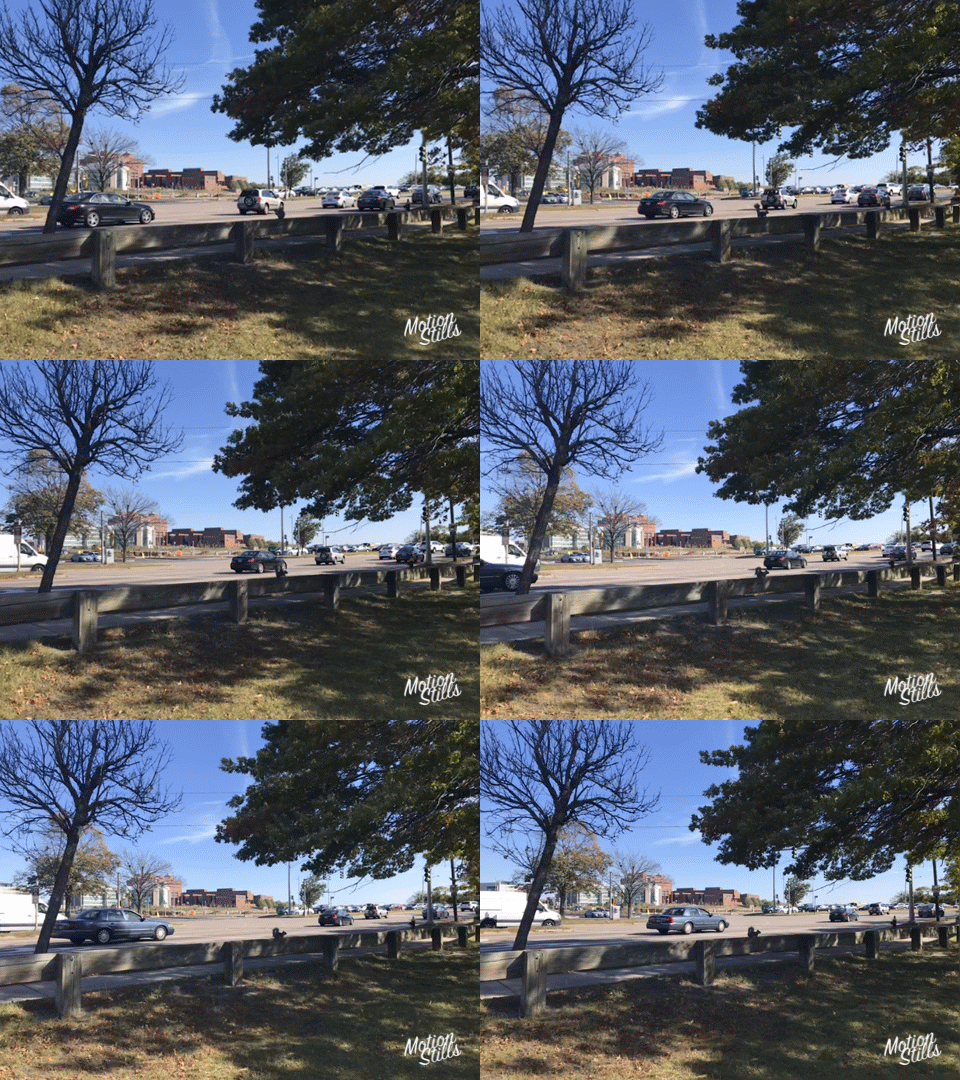
Or, more specifically, why was I witnessing such a slaughter in rural areas but not on the streets of Boston?
My first thought was that maybe the speed of cars was the answer. Maybe in the city cars drove slower than on rural highways and so it was less likely that squirrels would be hit? But I saw plenty of dead squirrels on rural residential roads as well, so that didn’t seem to be a great explanation.
My next thought was that maybe there were more squirrels in the rural areas. Probably true, as abundance of species frequently declines as urbanization increases in intensity along a gradient. And certainly, the distribution of squirrels in Boston is a lot more clustered, restricted to parks and patches of green-space, compared to the rural areas. But I have personally (and regularly) documented over 150 squirrels within a single park in Boston (the Public Garden), and they are extremely abundant in the Fenway Emerald Necklace parks. It seems that I should see at least one roadkill squirrel around these areas.
Which left me with the explanation that perhaps the squirrels in urban areas are simply not crossing the roads. Road avoidance behavior is common in many species that naturally are wary of fragmenting elements of the habitat, leading to population isolation. But this inherent avoidance of roads clearly isn’t occurring in squirrels, as they showed little inhibition to road crossing in rural areas (in fact, I watched in horror several times as squirrels attempted to run the 4 lane highway gauntlet… which did not end well for most). Of course, there could be a far simpler explanation: street cleaning may remove the roadkill in more urban areas before we observe them.
Behavioral adaptation to avoid roads, however, is an intriguing hypothesis and one that has been proposed for other urban species. Is it possible that urban squirrels have learned to avoid roads because of the danger they pose? If so, is this a learned behavior culturally transmitted or does it arise from natural selection on exploratory behaviors, perhaps? What physical changes have occurred in urban squirrel brains associated with this behavioral shift? This intriguing possibility raises so many potential questions just begging to be studied!


Leave a Reply