

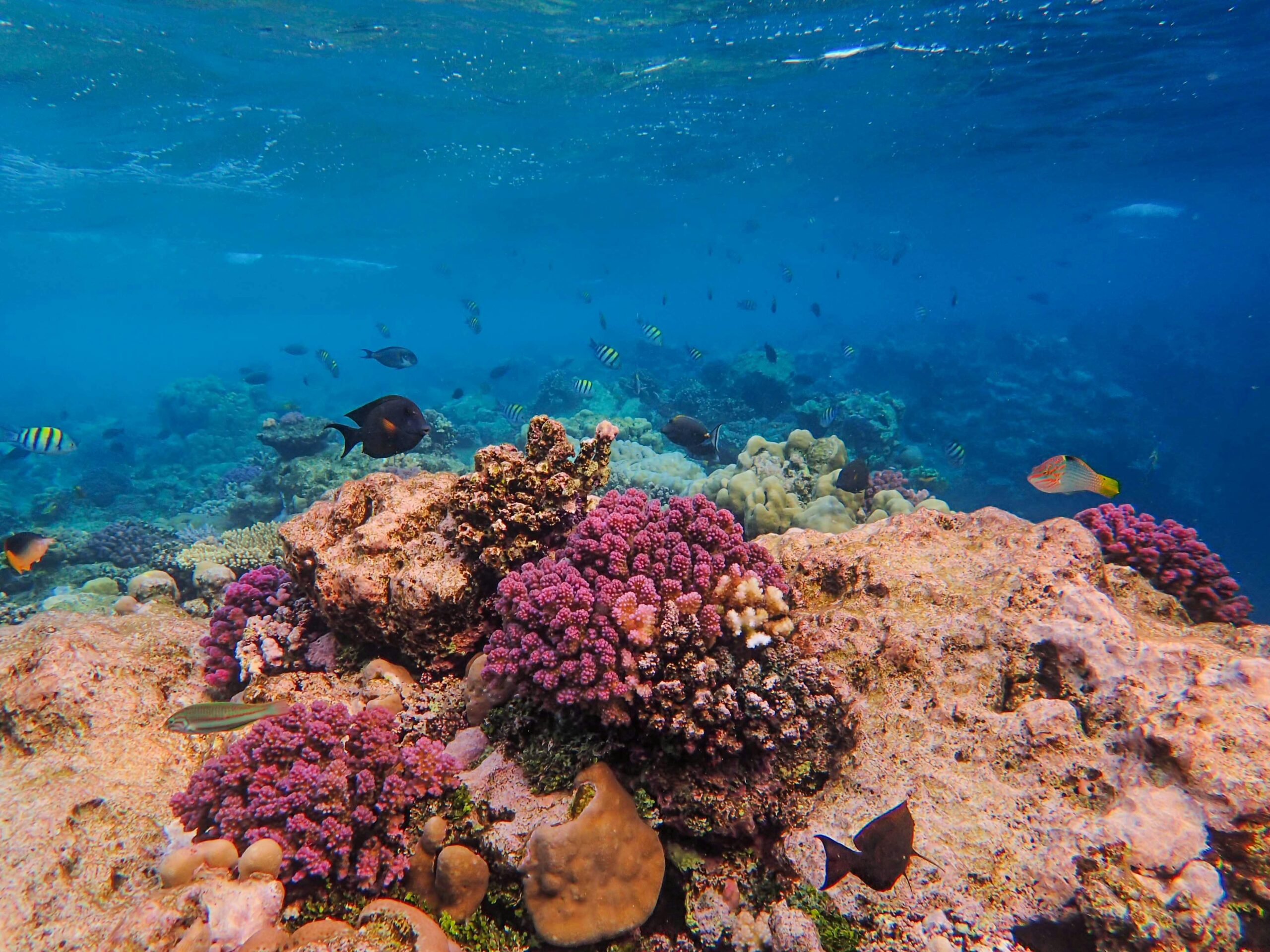
When you think of animals that thrive in the city, the first thing that comes to mind might be pigeons and raccoons, but certainly not corals. These are the organisms that are widely known to be sensitive to the effects of global warming and pollution, so how in the world would they survive in the city? Well, generalist corals seem to have taken a page out of the urban species playbook, because they’ve adapted to urban conditions, developed a resilience against heat stress, and discovered new ways to colonize urban spaces.
What lies in the murky urban waters
To understand how urban corals adapt, we first need to understand the urban marine environment. Poor water quality is driven by high levels of sediment pollution, nutrient influx, and pollutants (1). Urban waterways and construction produce sediment pollution that smothers coral polyps and limits the photosynthetic activity of their symbiotic zooxanthellae. This is often compounded by a massive influx of nutrients from wastewater, which accelerates eutrophication and hypoxia, creating favorable conditions for macroalgae to proliferate and outcompete corals, while promoting the growth of harmful bacteria and fungi that increase the risk of disease for these stressed reefs. This is particularly concerning as diseases such as Stony Coral Tissue Loss Disease (SCTLD) have led to the rapid loss of reef-building corals. Furthermore, the combination of the urban heat island effect and global warming elevates water temperatures far beyond their thermal limits, stressing corals and causing them to expel their symbiotic zooxanthellae, leading to coral bleaching (2). Research also shows that the combination of nitrates and elevated temperatures has led to coral paling and metabolic stress, potentially reducing their long-term resistance to pathogens. Additionally, the early removal of essential grazers from overfishing further destabilizes the ecosystem by reducing top-down control of macroalgae.
Generalist Corals
Urban reefs are dominated by stress-tolerant generalist corals such as Porites and Montipora (1). These species are typically domed corals that thrive in high-sedimentation and low-light conditions due to their effective sediment-shedding and efficient photosynthesis. Studies also show that urban corals often have physiological and genetic traits that make them more stress-tolerant (2). Some of these include the altered expression of genes associated with heat-shock proteins, oxidative stress regulation, immune responses, and symbiosis maintenance. However, domed reefs have simpler structures than more complex branching reefs, which heavily impacts the ecosystem by limiting refugia for marine animals. This can increase predation risk and lead to declines in species richness and abundance of reef fishes and invertebrates. Additionally, domed reefs are less effective at slowing water flow, which is essential for preventing shoreline erosion, tsunamis, and floods.
Upcycling urban habitats
In a turn of events, some urban reefs are faring better than their natural counterparts, even when they’re growing on urban substrates such as concrete, steel, boulders, and even car tires! A study of coral reefs near the Port of Miami found that urban reefs had higher coral cover than nearby natural reefs (3). Even more surprising was that several species devastated by SCTLD on natural reefs were abundant on urban reefs. The researchers proposed the possibility that urban reefs select for tougher, more disease-resistant corals capable of surviving environmental extremes. Another example of corals making the best of their urban habitat can be seen in Colombia, where the high turbidity that typically decimates reefs acted as sun umbrellas for corals (4). Instead of smothering the reefs, the high turbidity actually provided shade that reduced heat stress and bleaching, and the low-light conditions suppressed macroalgae growth, giving the corals an optimal, shaded, competitor-free environment.
They can’t do it all on their own
Although the proliferation of corals in urban waters is bittersweet, it is incredible that they are so resilient and resourceful. Their existence demonstrates nature’s extraordinary adaptive capabilities in the face of anthropogenic change. However, this resilience should not undermine coral conservation efforts as urban reefs lack the biodiversity and structural complexity of natural reefs, and cannot provide the same level of ecosystem support. As climate change and the urbanization of coastlines continue to decimate reef habitats, understanding coral adaptations will become increasingly important for guiding coral restoration by identifying strategies to make corals more stress-tolerant and engineering urban coastlines that better support marine life.
So maybe the next time you see a car tire bobbing along the shore, it could someday host some corals.
